

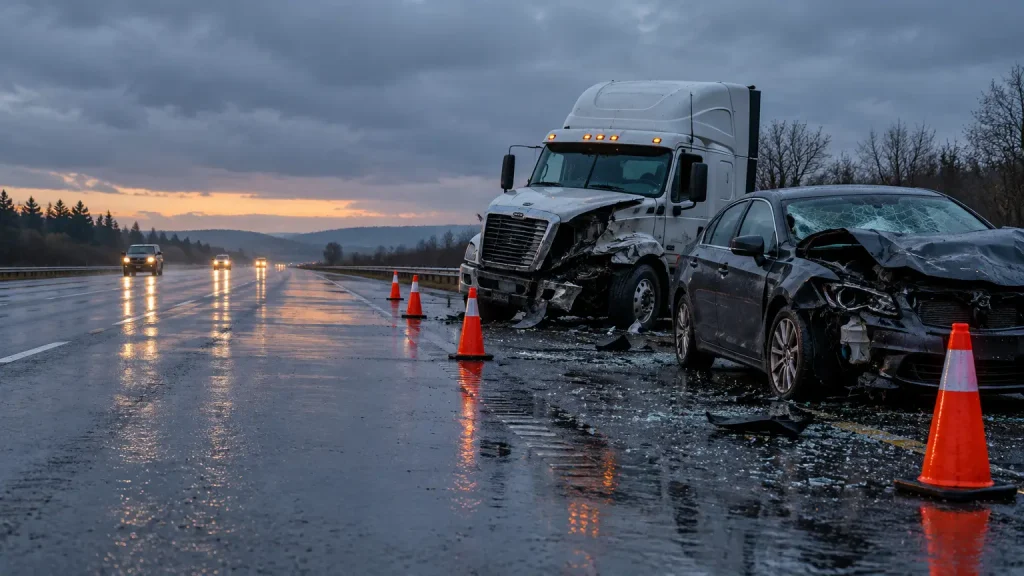
The National Safety Council (NSC) reported that large truck crashes killed 5,340 people in 2024. Their report also states that 120,724 large trucks were involved in injury crashes during the same year.
For people hurt in one of these crashes, a common early question is what the claim might be worth. If you want to know what’s the average truck accident settlement, there’s no set standard amount. Every case is evaluated individually based on its own specific facts.
What actually matters is understanding the factors that drive a settlement up or down. Knowledge of these factors can help people understand why two seemingly similar truck accidents can result in very different outcomes. Here are the factors that affect the settlement amounts.
The Severity and Nature of the Injuries Come First
Truck crashes tend to cause worse injuries than car crashes because of the size and weight gap. How badly someone is hurt is usually the biggest driver of settlement value.
A catastrophic injury or a permanently debilitating injury is going to cost a victim more money medically and in terms of pain and suffering.
Fault Has to Be Established Before Any Settlement
Before any settlement conversation can move forward, liability has to be established. Determination of fault can be more complicated in a truck accident than in an ordinary two-car collision.
States also differ in how a victim’s own share of fault affects recovery. In Ohio, a victim more than 50% at fault recovers nothing, and a smaller share reduces the award by that percentage.
An Ohio truck accident lawyer can help clients find responsible parties by looking at factors unique to commercial trucking. These factors include inadequate stopping distance, hours-of-service violations, poor vehicle maintenance, and other federal safety rule violations.
A trucking company can even be held vicariously liable for a driver’s negligence, which sometimes puts more than one party’s insurance coverage into the settlement conversation.
Commercial Insurance Coverage Changes the Math
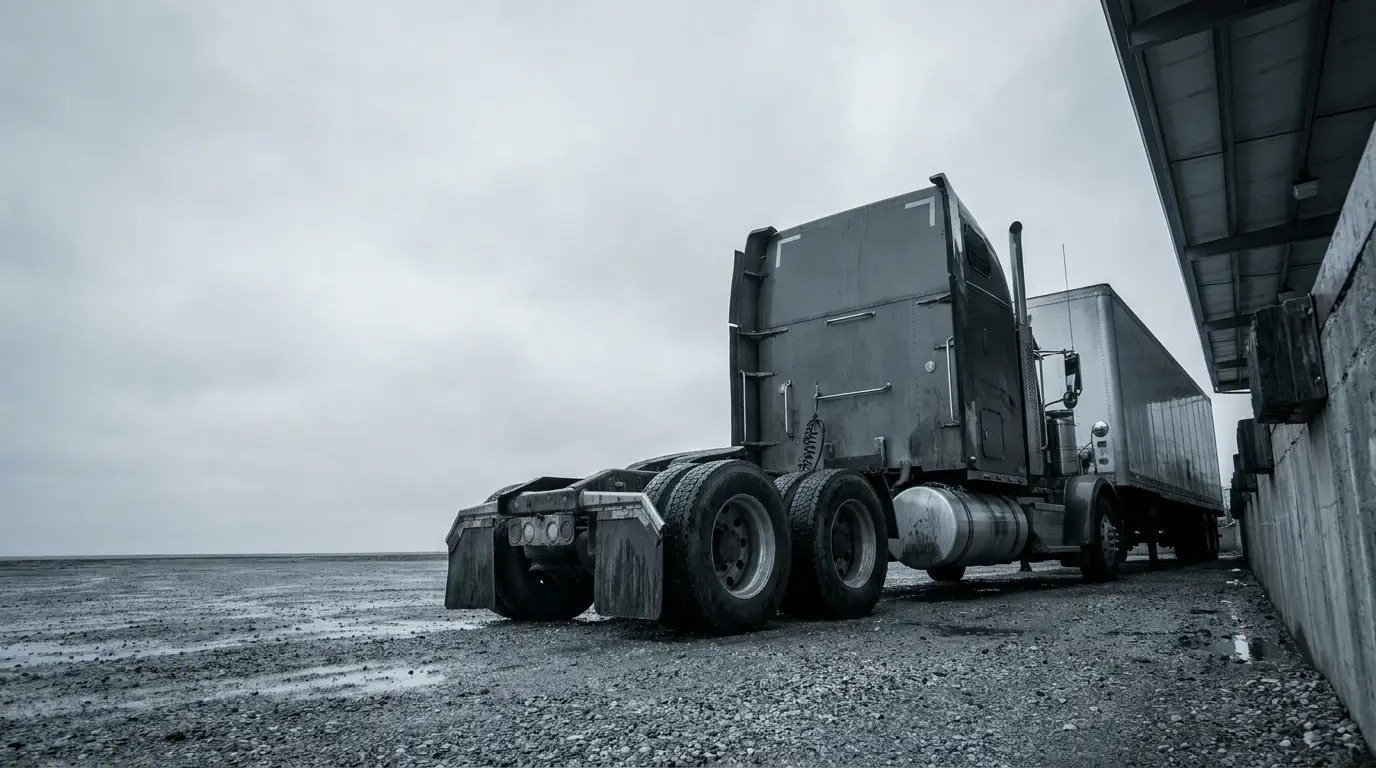
Most commercial vehicles are insured under policies that offer coverage amounts that are far higher than those found on standard personal automobile insurance policies. This difference can impact how much is truly collectible after a crash. Interstate trucking companies must carry at least $750,000 in liability coverage and more for hazardous cargo. Remember, a high limit doesn’t make a case easy to settle.
Economic Damages Form the Settlement’s Foundation
Economic losses include medical bills, vehicle repair or replacement, and lost income. If an injury keeps someone from working or earning what they did before, lost future earning capacity is added too.
Pain and Suffering Doesn’t Follow a Fixed Formula
Pain and suffering compensation cannot be compared to economic losses that are easily measured using receipts and pay slips. This type of damage is greatly dependent upon the seriousness of the injury and on the discretion of the jury or insurance adjuster. Cases where the injury suffered is either catastrophic or permanent usually receive much higher awards for pain and suffering. Ohio caps pain and suffering damages in most injury cases, usually at $250,000 to $350,000. The cap doesn’t apply to catastrophic injuries, including the loss of use of a limb.
Who Was Involved in the Underlying Accident
In truck crashes, people in the other vehicle usually take the worst of it. They made up 70% of large-truck crash deaths in 2024. This scenario affects the discussions that arise in terms of settlement. The severity of injuries makes it possible for the settlements in truck accidents to be on the higher side.
The Strength of the Evidence Matters as Much as the Facts Themselves
The strength of a truck accident claim depends on police reports, driver’s logs, maintenance logs, witness testimony, and any videos that may be available. There is also the issue that evidence pertaining to a commercial vehicle may be difficult to acquire without the help of an attorney. This challenge stems from the lack of cooperation that a trucking company may exhibit, especially if they are not willing to help prove their own liability. Carriers only have to keep driver hours records for six months, so a preservation letter should go out early.
Why These Factors Interact Rather Than Simply Add Up
The more serious the accident, the more likely it will result in higher medical bills, loss of earning capacity, and pain and suffering damages. A case with clear liability and strong proof usually settles faster and closer to its full value than one where fault is disputed. The fact that these components work together makes it necessary to conduct a complete analysis of a particular case rather than an overall average.