
Do you know that being a woman makes it especially important to prioritize your mental health and emotional resilience? This is because women are more likely than men to attempt suicide. Likewise, the prevalence of depression and other mental health issues is higher in women than men.
Sounds frightening? No worries, you can avoid becoming part of such statistics by proactively working on stress management. Here, Stress relief doesn’t mean spending hours on a yoga mat or taking any medications. Instead, you need simple, healthy habits to incorporate into your daily routine for emotional well-being. In this guide, learn quick hacks to build mental resilience toward routine stressors.
How Women Can Support Mental Health Naturally
Despite the increased vulnerability, women can enjoy a longer health span by taking care of their mental peace with these simple steps:
Healthy Lifestyle for Hormonal Balance
Compared with men, women experience more hormonal changes at various life stages. Even within a single menstrual cycle, hormones like estrogen and progesterone fluctuate, affecting mood and behavior.
Hormonal imbalances commonly start during puberty, perimenopause, and menopause, when you may face emotional breakdowns more frequently. So, adopt a healthy lifestyle that addresses hormonal changes at every stage of life, such as:
- Exercise regularly, including aerobic activities and strength training, to help regulate cortisol.
- Have a well-balanced, natural diet to get all the micronutrients and macronutrients needed for smooth body functioning.
- Avoid highly processed sugary foods, alcohol, or too much caffeine, which can trigger hormonal imbalances.
- Look for signs of hormone imbalance such as sudden weight gain or loss, changes in appetite, hair loss, or other symptoms such as facial hair growth or irregular periods, and seek medication from a healthcare provider.
Having Calming Herbal Teas
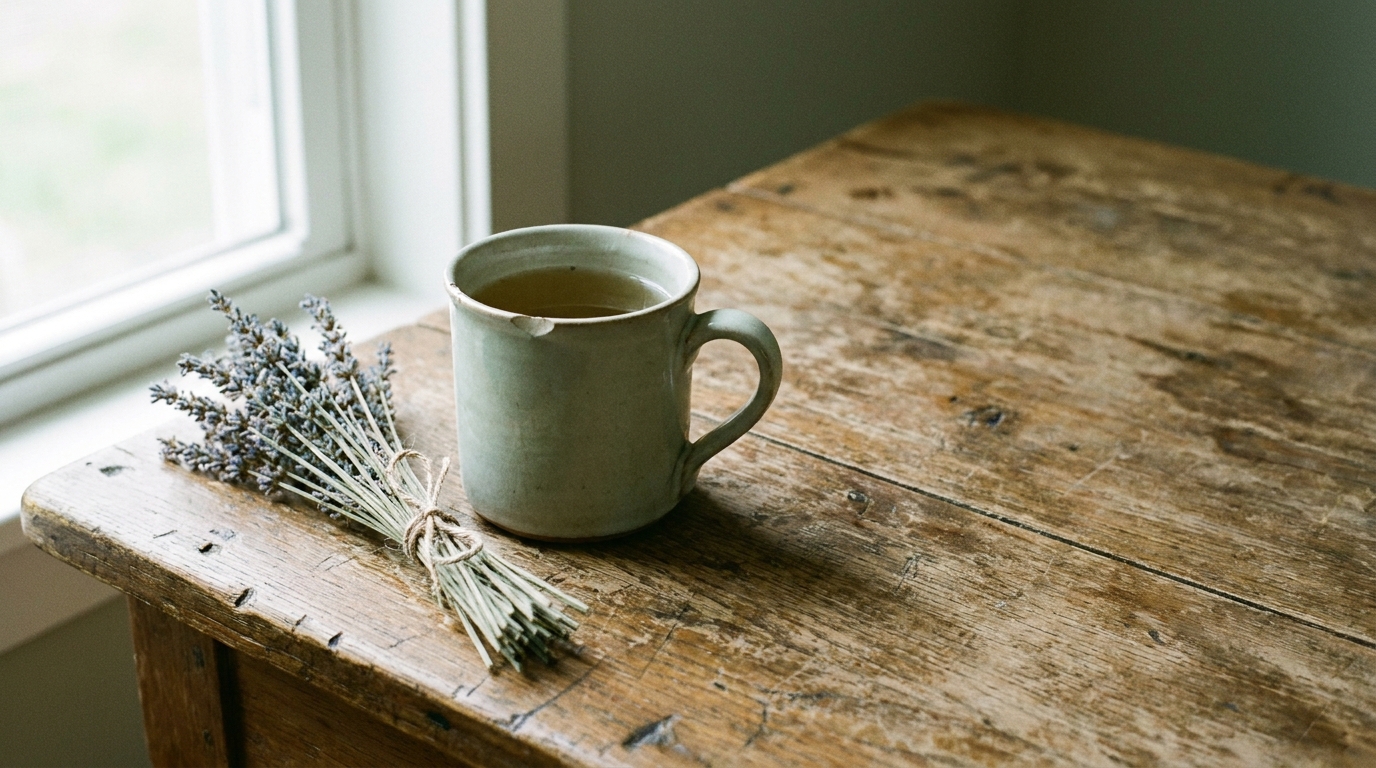
Different herbal teas are readily available to support emotional regulation through their calming effects. Choose teas containing adaptogens such as holy basil and ashwagandha, or other calming compounds like L-theanine and magnesium found at Prosperity.store, to help relax your mind. Make such teas part of your evening routine to unwind successfully before bedtime.
Practicing Relaxation Techniques
Facing stressful events is inevitable, as you don’t always get what you plan for. Accepting failures with an open mind and addressing them constructively only happens with resilience. To develop an optimistic approach towards life, practice different relaxation techniques such as mindfulness and deep breathing.
Mindfulness meditation helps you understand your thought patterns and respond to future stressors constructively. You also learn to stay calm by shifting your mind from negative thoughts to the present moment. Likewise, deep breathing helps shift your body from fight-or-flight mode to a relaxed state, helping regulate breathing, blood pressure, and rational thinking during unfavorable events.
Striving for Sleep Hygiene
Sleep serves as a natural stress reliever, as it balances hormones and shifts your body out of fight-or-flight mode. The muscles that tighten during stressful situations become relaxed during sleep, making you feel comfortable.
Conversely, poor sleep habits can worsen stress by affecting cognitive functions, attention, memory, and more. You become less resilient in processing negative emotions, and mood swings become more obvious. Getting enough uninterrupted sleep each night helps restore mental stability, enabling you to face the next day’s challenges with a refreshed mind. So, follow these tips to improve sleep hygiene:
- Keep a fixed sleep and wake-up time to regulate your circadian rhythm.
- Fill your evening with less stimulating, relaxing activities such as journaling, yoga, knitting, etc.
- Avoid digital screens and use dim lighting in your bedroom to support melatonin production.
- Consider melatonin supplements to address insomnia symptoms or anxiety.
Having Enough Social Support
Loneliness increases the risk of depression and similar mental health issues. This is particularly relevant for women, who seek emotional support under stress more than men. If you have a strong social circle and empathetic people around you, you can experience a sense of belonging.
Build sincere relationships through meaningful interactions regularly. A kind-hearted listener lets you express your emotions without fear of judgment during hard times and can naturally help lower cortisol levels.
Implementation of Work-Life Balance
You can’t support your mental health without enough time for self-care and rejuvenation, and that is only possible with work-life balance. So, set work boundaries, and even if you are a stay-at-home mom, set specific hours for household chores. After that, invest in creative hobbies or something you truly enjoy that makes you feel relaxed.
Bottom Line
Women can support emotional regulation through consistent lifestyle habits that help reduce their vulnerability to mental health issues. Prioritize hormonal balance, a nutrient-rich diet, regular exercise, quality sleep, relaxation techniques, and meaningful social connections.
Only a healthy work-life balance enables you to incorporate these simple steps into your routine and strengthen mental clarity over the long term. So, don’t treat these efforts as a waste of time. Practice them without feeling guilty for your inner peace.