Globalization has contributed significantly to globalization. For decades, Western pop was the dominant force played on the airwaves around the globe, but now a reverse migration of sound is taking place. These independent creators and listeners – part of the global diaspora – are rediscovering their roots and redefining global music today. The resulting sound can be found on regional hip hop tracks that are featured on the global pop charts. At the same time, classical ragas are being woven into the sound of electronic music by top dance music producers from around the world.
A Fusion of Two Cultural Worlds
The new cross-border movement is not just about art. It’s a personal journey and a true representation of the modern-day diaspora. People who have grown up between two cultures have been able to carry both home cultures and the sounds of the streets where they live into the studio to create something truly unique. The artists are trying to find a middle ground that sounds and feels true to their identity.
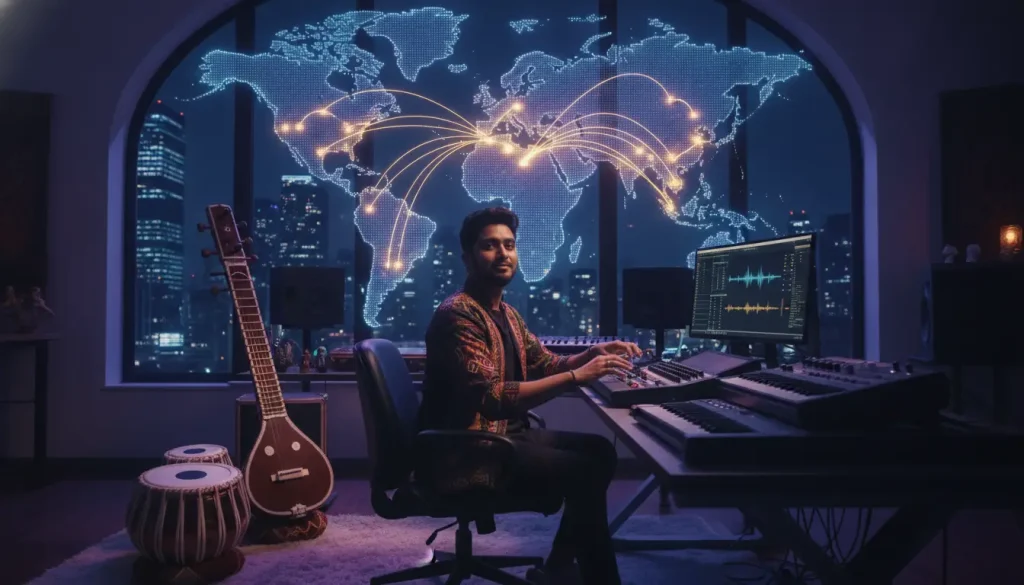
The result is an authentic fusion of two cultures: traditional instrumentation, for example the tabla or sitar, combined with heavy basslines, trap-style drums, and modern, personal lyrics. This fresh sound resonates with people of all backgrounds, not only with those of South Asian descent looking for music that reflects their heritage, but also with people from all over the world who are looking for new and exciting sounds.
Digital Infrastructure and Independent Connections
The tools supporting the reverse migration of sound are increasingly connected. Independent creators can distribute their work around the globe without depending on the approval of traditional gatekeepers. Video platforms, global streaming services, and global online communities have changed the way people around the world access music. A song recorded in a home studio in Toronto or in London can immediately be distributed to and accessed by audiences all around the world, sometimes within hours of its completion.
On the flip side, independent creations of sound coming out of South Asia are reaching massive audiences of North Americans. Consequently, a constant dialogue of feedback between creators and their global audiences, where new sound and beats are a constant exchange of both ideas and culture.
Supporting the Bridge Across Borders
For artists and audiences alike, it is a delicate balance of local and global cultures that is being maintained. To further foster a community of artists, families, and friends of the diaspora, a complex web of cultural and physical connections is maintained on a day-to-day basis. Here is an example of the physical connections that are being maintained between people all over the world:
Digital platforms provide support for these artists, allowing them to reach an audience without the need for traditional gatekeepers. These platforms, along with independent connections, make it easy for artists to collaborate on projects and to create a community around their work. By using seamless US to India money transfer services, an artist in the US can fund a project in India or ship studio gear to a collaborator, facilitating a joint project. They can also support independent festivals and, in this way, create a whole network of artists who work together across borders.
Local Scenes and Global Stages
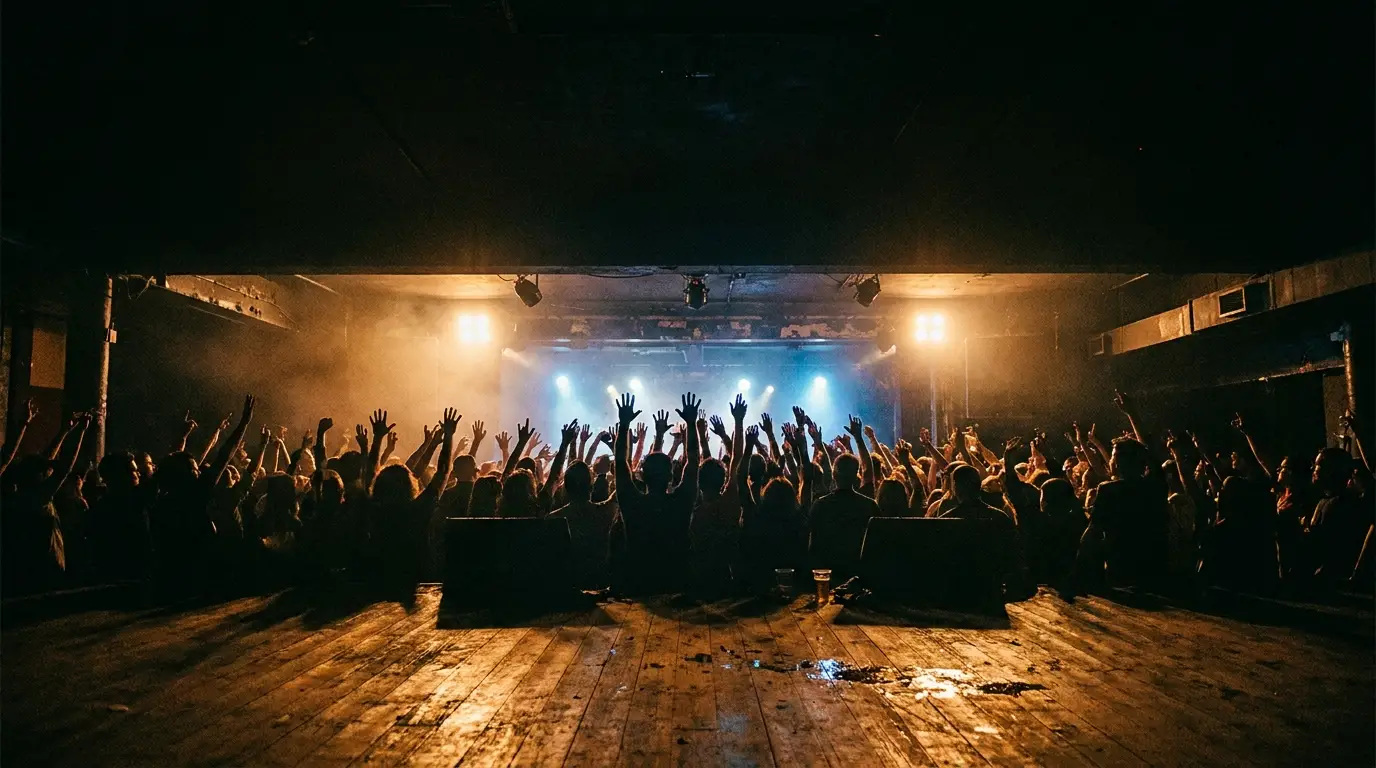
From within local scenes that now thrive in cities around the world — such as New York, London, Toronto, and Los Angeles — huge crowds of fans gather to participate in nightlife events specifically centered on the sounds of global diaspora music. A true hybrid culture is blossoming within these venues as it is practiced, and creators and fans alike from all walks of life from around the world arrive in droves to celebrate modern identity in all of its unique facets.
The energy, reflecting that of the masses, that fills in these hybrid performances; a true testament to the masses that define their hybrid culture by means of the energies of the global and local hybrid sounds that perform within it, at large, across its vast and geographic expanse, from within its numerous hybrid scenes and cultures to cross over and to get performed upon across its global, virtual, and cyber stages and spaces to worldwide audiences of equal, immense, and masses of hybrid cross-culture.
As for the festivals and events, the major festival organizers are slowly but surely starting to realize the vast potential of diaspora sounds. While years ago festivals were mostly made up of local bands, today events feature an array of international diaspora creators, from huge main stages to the smaller ‘side stages’ with more underground sounds.
You get a younger generation who look up to creators with the same dual heritage of the artist in question, performing at the biggest venues around the world and therefore giving them an example of what they can achieve with their lives and their personal stories.
The Future of Cross-Border Collaboration
With geographical boundaries quickly disappearing, collaborations across borders are going to play a huge role in shaping the music of the future. Today, many artists and producers from around the world are collaborating on tracks, easily sharing project files, conducting remote recordings, and even fusing different regional styles and genres to create completely new subgenres.
In summary, a collaborative spirit that breaks down the industry’s barriers to produce great art, in which creators stay connected to their roots while embracing the influences from other parts of the world.
The sound of the modern diaspora is therefore one of great resilience, enormous creativity, and strong connection. A connection enabled through technology to travel thousands of miles and establish a home away from home. The sound of the diaspora will continue to grow, and to form new sounds that will continue to inspire and to move us all.
Rhythm, Variation & Pattern Breaks
Most melodies travel halfway around the globe in a matter of seconds, most often in a form that cannot be called music.
It happens faster than we think.
Digital Technology Makes Global Music Creation Possible.
Have you ever listened to a song and instantly felt transported to a city you’ve never visited?
Music does that.
Cross-cultural music isn’t about mixing and matching different instruments in a track. It’s about the lived experiences of individuals from different places around the world, their shared memories, and their connection to the different places around the globe where they’ve lived.
But what happens when these global connections face real-world friction?
Adapt. Creators will find new ways of collaboration, using the best digital tools to their advantage. Virtual communities will form around the artists. A whole new way of creating, distributing, and even performing music will emerge.