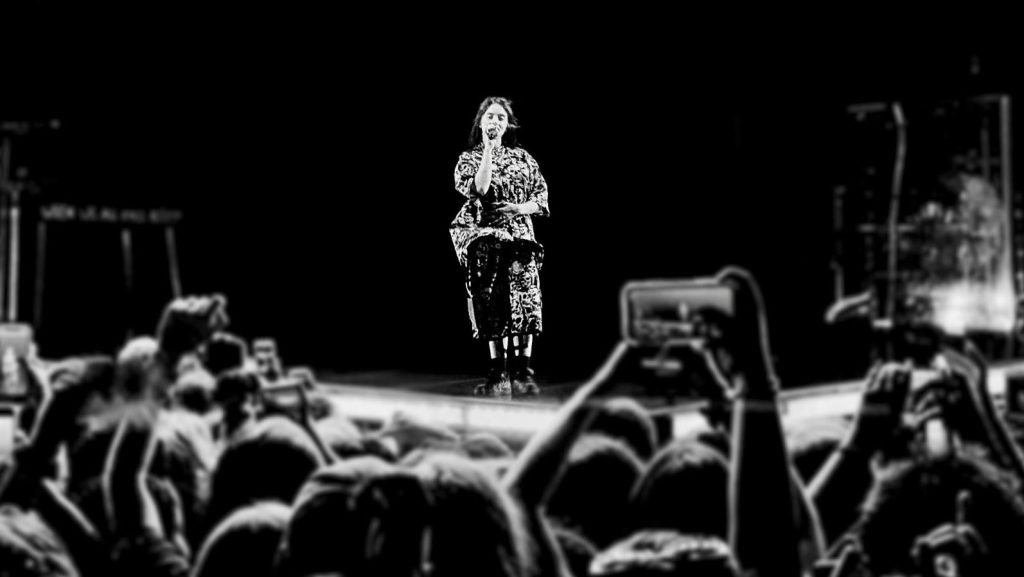
Billie Eilish has built a career on saying the quiet part out loud. From whispered vocals to lyrics that read like diary entries, she has turned personal pain into some of the most streamed music of the last decade. What makes her catalog so compelling is not just the sound, it is the honesty. She writes about heartbreak, body image, family strain, and mental health with a bluntness that many artists avoid.
That honesty is exactly why fans keep returning to certain tracks long after they leave the charts. Casual listeners hear a moody pop song. Devoted fans hear a confession. The gap between those two readings is where Eilish’s songwriting really lives, and it is worth pulling apart a few of her most emotionally loaded songs to understand what she was actually working through when she wrote them.
Before going deeper into the bigger hits, it helps to look at a track that often gets overlooked in these conversations. The wildflower song is a quieter, more reflective moment in her catalog, and it captures a side of Eilish that longtime fans recognize immediately: the willingness to sit with discomfort instead of resolving it neatly by the final chorus.
When the Party’s Over: Loving Someone Who Keeps Leaving
Written by her brother and longtime collaborator Finneas O’Connell, “when the party’s over” is built around a relationship that keeps circling back to the same painful pattern. The narrator recognizes that she is not good for the other person, yet she keeps letting them return anyway. Music outlets like NME have reported that Eilish said the song’s melody hit her immediately the first time she heard it, long before the words fully landed.
The song’s emotional weight comes from its restraint. There is no dramatic bridge or explosive chorus, just quiet acceptance that some relationships hurt more by staying than they ever would by ending. That stillness, paired with the now iconic music video of black liquid streaming from her eyes, turned the track into one of her signature moments of vulnerability.
Everything I Wanted: Fame, Doubt, and Being Believed

“everything i wanted” pulls from a real nightmare Eilish had after “bad guy” exploded in popularity. In the song, she describes a dream about ending her life and no one noticing or caring. The only person who reassures her in the dream, and in reality, is her brother.
What makes this track so raw is how directly it addresses the isolation that can come with sudden fame. Eilish has spoken publicly about struggling with the attention and pressure that followed her breakout success, and this song became one of the clearest windows into that struggle. It is less about a relationship falling apart and more about a young artist trying to hold onto her sense of self while the world around her changed overnight.
TV: Grief, Isolation, and Watching the World From a Screen
Released as part of her project Guitar Songs, “TV” finds Eilish processing heartbreak while feeling disconnected from the outside world. The song was written during a period of personal isolation, and it reflects on watching current events unfold through a screen while dealing with private pain that nobody around her fully understands.
The track stands out because it blends the personal and the political without losing its emotional center. Eilish has talked in interviews about writing music as a way to process what she is feeling in real time, and “TV” reads like a snapshot of a specific, difficult season in her life rather than a polished, distant reflection on it.
Happier Than Ever: Rage Beneath the Calm
Few Eilish songs shift in tone as dramatically as the title track from her second album. It opens soft and almost resigned, then erupts into one of the angriest moments in her discography. The lyrics describe a relationship where the narrator was made to feel small, only for that quiet hurt to finally boil over.
According to interviews she has given, Eilish wanted the structure of the song to mirror the emotional arc of finally reaching a breaking point after holding something in for too long. It is widely regarded as one of her most cathartic tracks precisely because it does not stay calm. The shift itself becomes the message.
Why These Songs Resonate So Deeply

What ties these songs together is not a single theme but a consistent approach. Eilish rarely writes toward a tidy resolution. Her songs often end mid feeling, without a clean lesson learned or a bow tied on the pain. That mirrors how emotions actually work for most people, which is likely why so many listeners describe her music as feeling like it was written specifically about their own lives.
Publications like Rolling Stone have noted that this willingness to stay in uncomfortable emotional territory, rather than smoothing it over for radio friendly closure, is part of what separates Eilish from many of her pop peers. She treats her own anxiety, grief, and doubt as material worth exploring rather than something to hide from her audience.
The Bigger Picture of Her Songwriting
Taken together, these tracks form a kind of emotional timeline. There is the ache of a relationship that will not stay ended, the disorientation of sudden fame, the loneliness of processing grief while the world keeps moving, and the eventual release of anger that had nowhere to go for too long. Each song captures a different stage of that journey.
This is part of why Billie Eilish’s music continues to connect across such a wide age range. Teenagers relate to the anxiety and self doubt. Older listeners recognize the weight of relationships that overstay their welcome or the strange loneliness that can come with public life. Her willingness to write plainly about difficult emotions, without dressing them up too much, is what keeps her songs feeling personal even years after their release.
For anyone wanting to understand Eilish as an artist rather than just a voice behind a hit single, these emotionally raw tracks are the best starting point. They show an artist who treats songwriting less like performance and more like processing, one uncomfortable feeling at a time.