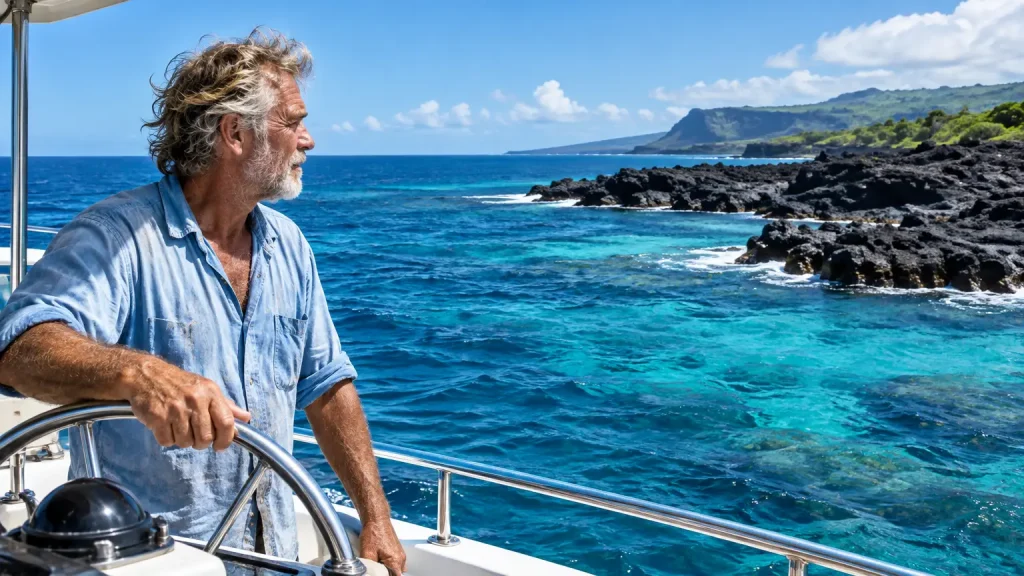
A coastline can look simple from the deck of a boat, a sweep of blue water, dark lava edges, bright sunlight, and the occasional flash of movement beneath the surface. Yet to someone who has spent years working on that water, the view is layered with meaning. Guests joining Kona snorkel tours may be looking forward to colorful fish and a refreshing swim, while the captain is reading currents, watching the wind, remembering where marine life tends to gather, and considering which site will offer the best experience that day. That local understanding turns basic sightseeing into something more personal, informative, and connected to the destination.
Local Knowledge Changes What Guests Notice
The ocean rarely gives away all of its details at first glance. A visitor might see a rocky shoreline, while a local crew member may recognize a feeding area, a sheltered cove, or a section of reef shaped by years of changing conditions. This kind of knowledge is not picked up from a map alone. It comes from time on the water, repeated observation, and familiarity with how each part of the coast behaves.
That experience helps guests notice details they might otherwise miss. A certain shape in the water may signal a school of fish, a patch of reef may reveal where turtles sometimes rest, and a change in surface texture can tell an experienced captain something about the current below.
The Best Route Is Not Always the Most Obvious One
A good snorkeling trip does not follow a rigid script simply because a certain stop is popular. Conditions matter. Wind, swell, visibility, boat traffic, and seasonal changes can all influence whether a location is enjoyable on a particular day.
Experienced crews use those details to make practical decisions before guests enter the water. Sometimes the familiar site is ideal. On another morning, a more sheltered area may offer clearer water and a more comfortable swim. That flexibility is one of the biggest advantages of traveling with people who know the coastline well.
For guests, the result feels effortless. Behind that ease, however, is constant observation and careful judgment.
Marine Wisdom Adds Meaning to Every Encounter
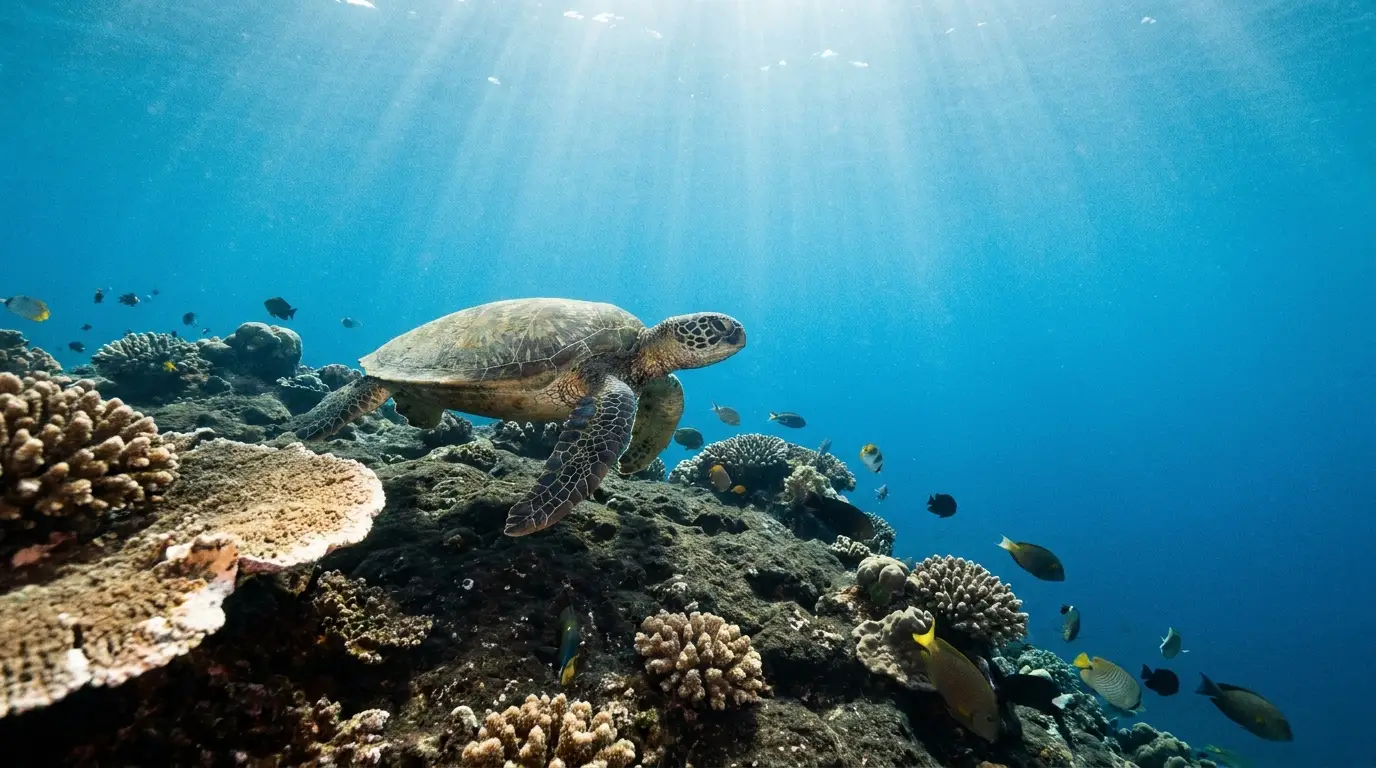
Seeing a tropical fish for the first time is exciting. Knowing why it stays near a certain coral formation makes the moment even better. Local crews can explain behaviors, habitats, feeding patterns, and the relationships between different marine species in language that feels approachable rather than overly technical.
This is where a snorkeling trip can become surprisingly educational. Guests may learn why some fish change color, how reef ecosystems support one another, or why certain areas are especially important to sea turtles and other wildlife.
The goal is not to turn a vacation outing into a classroom. It is simply to add enough context that the underwater world starts to make more sense.
Cultural Stories Belong on the Water Too
The coastline has a human history as well as a natural one. Bays, cliffs, reefs, and offshore landmarks may be connected to fishing traditions, navigation, community life, or stories passed from one generation to the next.
When local crews share that background respectfully, the scenery begins to feel different. A stretch of coast is no longer just an attractive photo opportunity. It becomes part of a larger story about how people have lived beside the ocean, depended on it, traveled across it, and learned to understand its rhythms.
That cultural layer can be one of the most memorable parts of the entire trip because it creates a stronger sense of place.
Safety Feels More Reassuring with Experience Nearby
Beautiful water can be inviting, but it should never be treated casually. Currents change, entry points vary, and even confident swimmers can feel unsure in an unfamiliar environment.
A professional crew pays attention long before anyone puts on a mask. They explain procedures, assess conditions, help guests with equipment, and keep track of what is happening around the boat and in the water. That preparation makes the experience feel more relaxed without making safety feel intimidating.
For first-time snorkelers, this support can make a huge difference. A few clear instructions, a patient explanation, and a crew member who is ready to help can turn nervousness into genuine excitement.
Small Details Often Reveal a High-Quality Tour
Travelers usually remember the dramatic parts first, clear water, wildlife sightings, or an unforgettable stretch of coastline. Still, the smaller details often show how much care has gone into the trip.
Well-maintained gear, useful briefings, an organized boat, thoughtful pacing, and crew members who pay attention to individual comfort all contribute to the experience. So does the willingness to answer questions without rushing through them.
These details may not sound glamorous, but they shape how the day feels. When everything is handled well, guests have more room to enjoy the water, scenery, and people around them.
A Local Crew Can Make the Trip Feel Personal
The most enjoyable tours often feel less like a scheduled activity and more like being shown around by someone who genuinely knows the area. That does not require constant conversation or exaggerated storytelling. It comes from useful comments at the right time, a well-chosen snorkeling stop, and a crew that notices what guests are interested in.
Someone fascinated by marine life may want more detail about fish and reef behavior. Another guest may be curious about local history. Families may need extra guidance getting comfortable with masks and fins. Experienced crews learn to read those differences and adjust naturally.
That personal attention can turn a group excursion into something that feels much more individual.
The Ocean Becomes More Than a Beautiful Backdrop
A great snorkeling experience is certainly about what guests see underwater, but the strongest memories often come from understanding what they are seeing and where they are. The reef, coastline, wildlife, and stories all connect.
That is why local expertise matters so much. A knowledgeable captain and crew do more than transport people from the harbor to a snorkeling site. They provide context, make informed choices, and help guests experience the destination with greater awareness.
By the time the boat heads back, the coast may look different from the way it did at the beginning of the day. What once seemed like a beautiful stretch of ocean now carries stories, patterns, wildlife, and a sense of connection that would have been easy to miss without the right people sharing the view.