If your hands do half the talking, your engagement ring is going to work harder than most. Pub stories, front-row choruses and the classic “no, the fish was this big” all put a claw-set stone at risk. Bezel settings were made for exactly this kind of person.
Why Bezel Engagement Rings Suit Expressive Hands
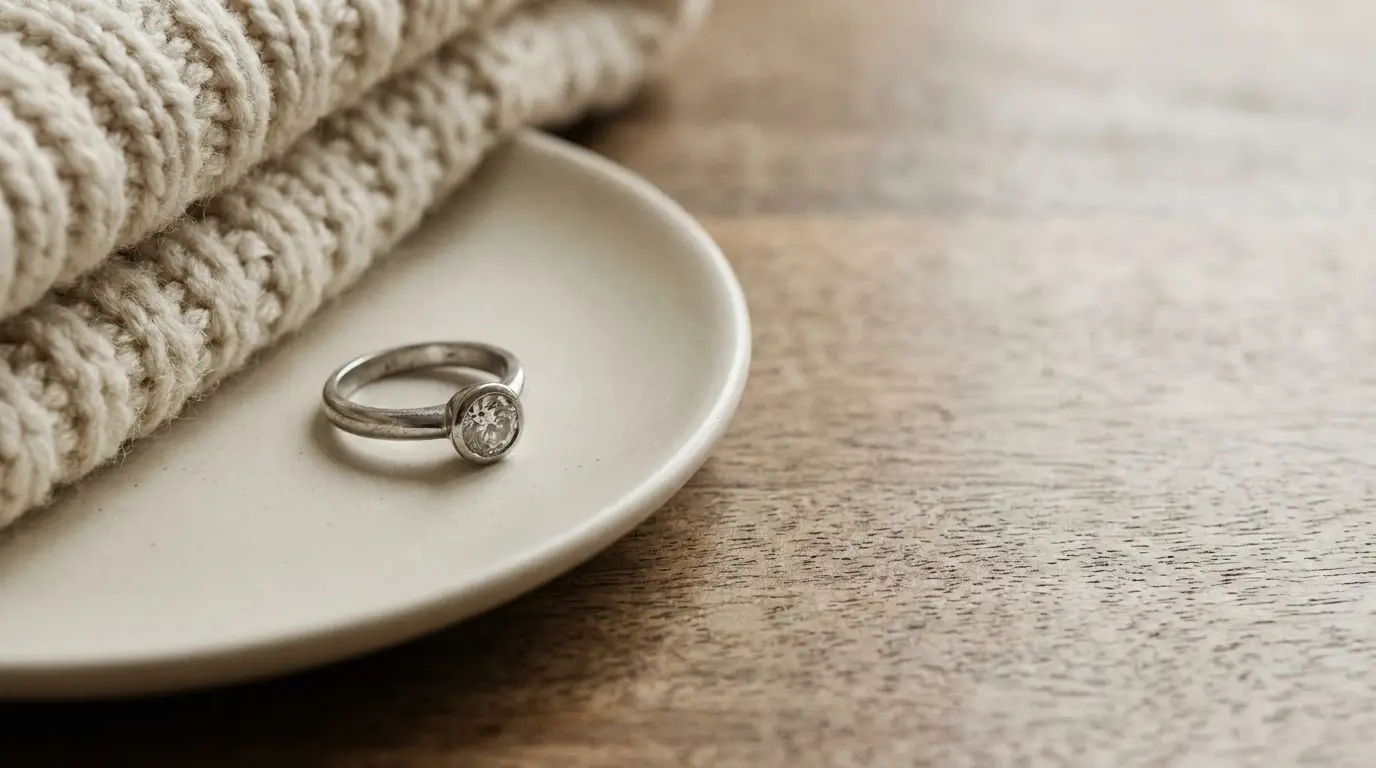
A bezel setting wraps the stone in a thin collar of metal instead of propping it up on four or six prongs. That’s the whole trick. With no claws sticking out, there’s nothing to catch on a knit jumper, a mic cable or the strap of the bag you’re rummaging through mid-anecdote. The rim also works like a bumper for the stone’s edge (the girdle, if you want the jeweller’s word for it), which is the part most likely to chip when you clip a doorframe.
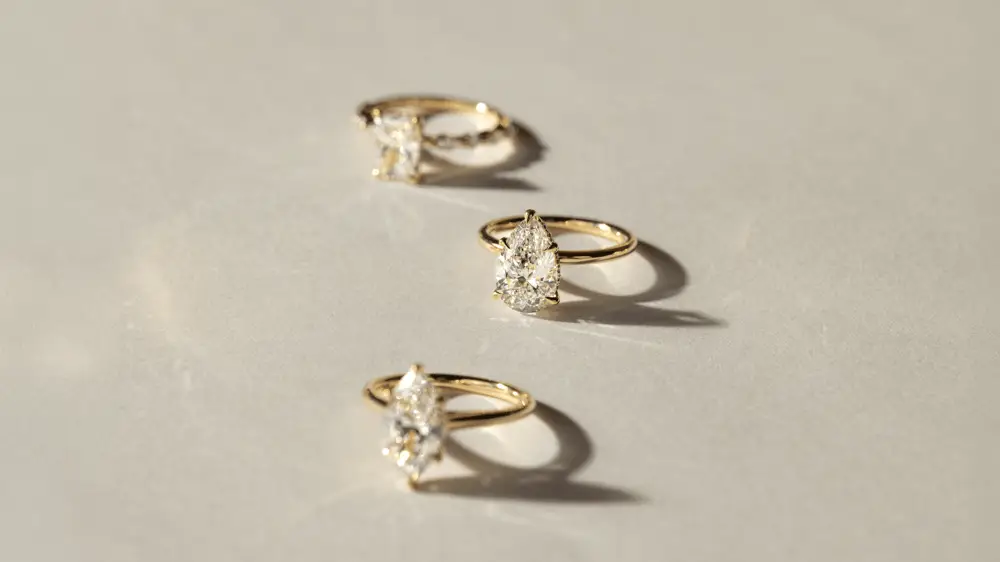
The style has come a long way from the chunky rims your aunt might picture, and few places show that better than Cullen Jewellery Australia. Their bezel range runs from slim, low-set solitaires to bolder ovals and emerald cuts, each made to order with lab-grown diamonds or moissanite, so you’re not trading personality for practicality. Photos only tell you so much, though. A bezel ring feels different on a moving hand than it looks on a screen, so it’s worth booking an appointment to try a few on, wave your hands around and see which profile suits the way you actually live.
Full Bezel or Half Bezel?
A full bezel circles the entire stone. Maximum protection, clean modern lines. A half bezel hugs only two sides, which lets more light in and shows off more of the stone’s profile.
Your call comes down to how rough your days get. Drummers, climbers and nurses gloving up a dozen times a shift tend to be happiest with a full bezel. If your biggest hazard is enthusiastic hand-waving at dinner, a half bezel gives you a bit of both worlds.
The Sparkle Question
Here’s the worry everyone raises: won’t the metal dull the shine? A little, from the side. But a well-cut stone gathers most of its light through the top, so the difference is smaller than you’d expect in normal lighting.
There’s an upside too. A white gold or platinum rim can make the centre stone look larger, because your eye reads the bright edge as part of the stone. Yellow gold does something different, giving the ring a warm, slightly ’70s feel that pairs nicely with vintage outfits and stacked bands.
A Sustainable Choice That Lasts
Claw settings need regular attention. Prongs thin out over years of wear, and many jewellers recommend checks every twelve months, with re-tipping when the claws get worn down. A bezel has no tips to wear thin. Fewer repairs mean fewer trips to the jeweller and less metal replaced over the ring’s life, which counts for something if you’re trying to buy sustainably.
Pair that setting with a lab-grown diamond or moissanite and you’ve got a ring built to be worn hard for decades, not babied in a dish by the sink. Lab-grown diamonds are chemically identical to mined ones, so they handle daily knocks just as well. Moissanite sits only slightly lower on the hardness scale, still tough enough for everyday wear.
Try the Story Test
Before you commit, try this. Next time you tell a long story, notice what your hands touch: hair, sleeves, a glass, someone’s shoulder. Most people are surprised by the count. If you lost track somewhere past ten, that’s a strong sign a bezel will suit your life better than a raised claw setting.