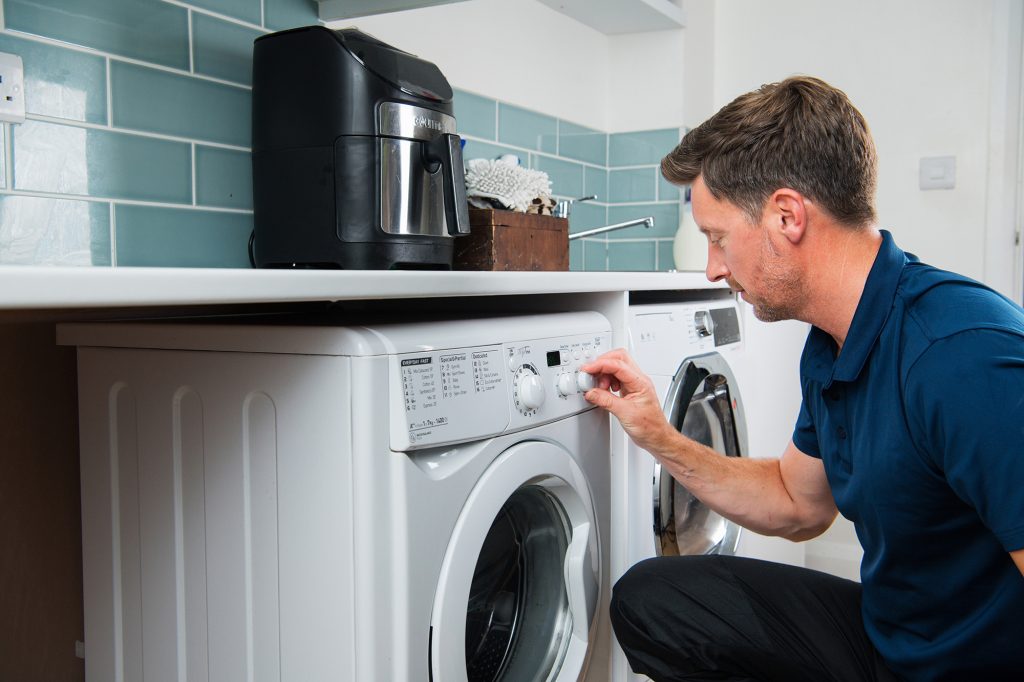
When your washing machine stops spinning or your fridge freezer suddenly stops cooling, replacing it might seem like the easiest solution. But depending on the fault, repairing your existing appliance could save you money in the long run.
Established UK repair providers such as Domestic & General (D&G) help households get broken appliances back up and running, with engineers working across a wide range of major appliance brands.
From washing machines and dishwashers to ovens and tumble dryers, knowing which problems are worth fixing can help you avoid unnecessary replacement costs. Here’s what to consider before buying new.
1. Washing Machines: Is It Worth Repairing a Broken Washing Machine?
A washing machine that won’t drain, leaks or makes unusual noises doesn’t necessarily need replacing.
Common faults involving blocked pumps, damaged door seals or worn drive belts can often be repaired without replacing the entire machine.
However, more extensive problems involving the drum, bearings or motor may be expensive to fix, particularly on older models.
According to Which? research published in May 2026, replacing a washing-machine pump or door seal typically costs around £100–£200, while replacing a motor or drum can cost £150–£400. Several repairers surveyed by Which? said they would not replace a drum because the appliance is often beyond economical repair.
Before replacing your washing machine, consider getting a professional diagnosis. Established providers such as Domestic & General offer washing machine repairs across major brands, including Bosch, Samsung and Hotpoint, helping households assess their repair options before investing in a replacement.
2. Fridge Freezers: When Should You Repair or Replace?
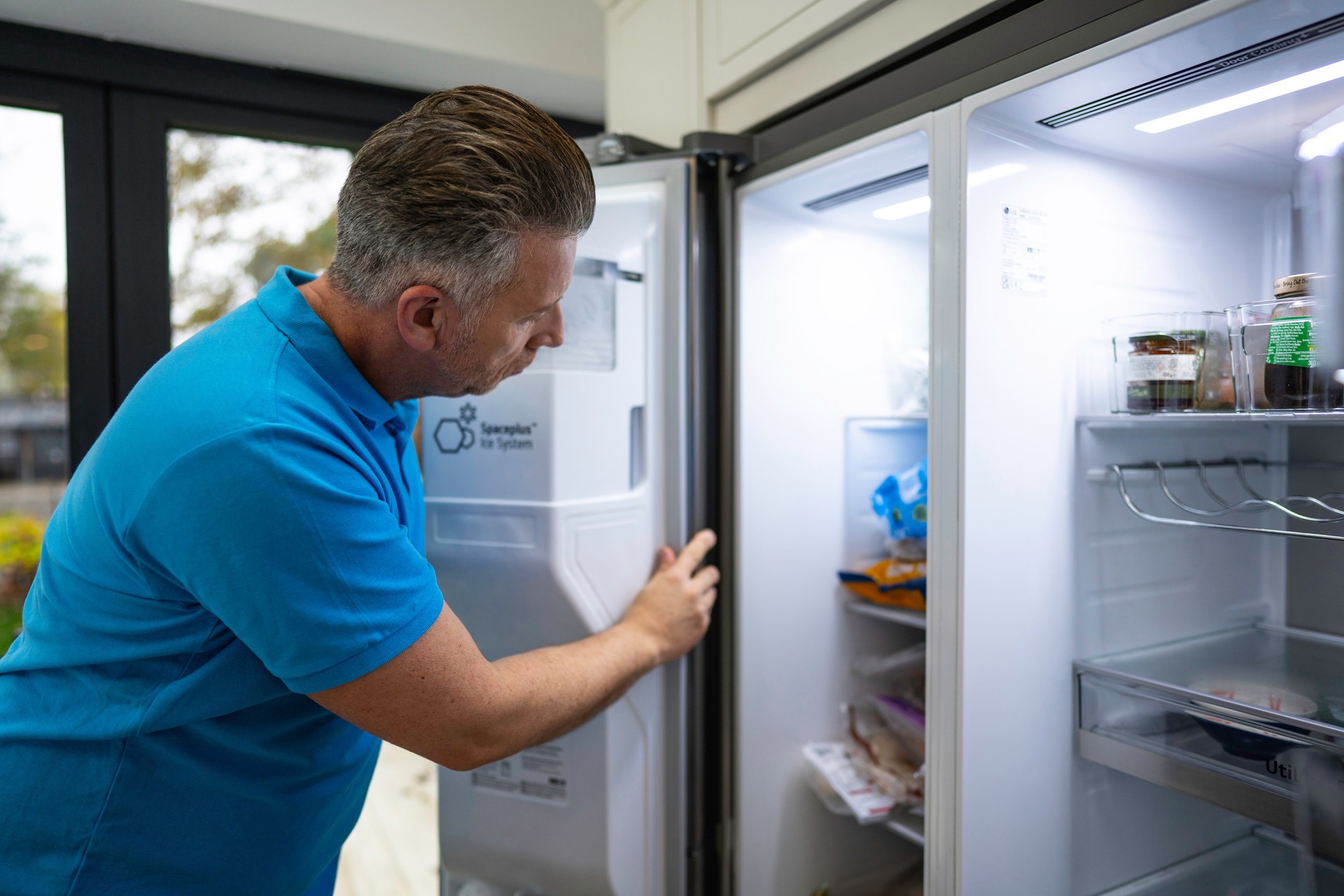
A fridge freezer that isn’t cooling properly doesn’t necessarily need replacing.
Faulty thermostats, damaged door seals and certain defrost-system faults may be relatively straightforward to repair.
Compressor failures, however, can be considerably more expensive, making replacement worth considering.
Age and energy efficiency are also important because fridge freezers run continuously. An older, inefficient model may cost more to operate than a modern equivalent.
A qualified refrigeration engineer can assess the fault and help determine whether repairing your existing fridge freezer offers better long-term value.
3. Dishwashers: Are Older Dishwashers Worth Repairing?
Drainage, water-circulation and heating faults do not necessarily mean a dishwasher needs replacing.
Blocked filters, damaged seals and certain pump problems may be relatively inexpensive to resolve.
More substantial electrical faults or multiple failing components can make repairs less economical, particularly for older machines.
Before purchasing a replacement, compare the repair quote with the cost of a similar new dishwasher, including installation.
Providers such as Domestic & General offer dishwasher repair services through specialist engineers, providing an alternative to replacing an appliance that may still have years of useful life.
4. Tumble Dryers: Is Repairing Cheaper Than Replacing?
A tumble dryer that stops heating or repeatedly cuts out may have a faulty thermostat, heating element or drive belt.
These components can often be replaced, making repair potentially more affordable than purchasing a new dryer.
However, extensive motor damage or multiple electrical faults may make replacement more economical.
Running costs also matter. If you own an older, energy-intensive tumble dryer, upgrading to a more efficient heat-pump model could offer longer-term savings.
Which? appliance repair-cost research published in May 2026 found that supplying and fitting a new tumble-dryer heating element typically costs £100–£250, compared with £150–£300 for drum bearings and £150–£250 for a replacement circuit board.
This shows how significantly the economics of repair can vary depending on which component has failed.
5. Ovens and Cookers: Is a Broken Oven Worth Fixing?
An oven that won’t heat properly doesn’t necessarily require replacing.
According to Domestic & General guidance published in April 2024, regular cleaning can help an oven last longer because accumulated grease and debris can contribute to faults or breakdowns. D&G also identifies uneven cooking, incorrect temperatures, ignition or power problems and door faults as issues that may require assessment by a qualified engineer.
For built-in ovens, repairing may be particularly worthwhile because replacement can involve additional installation costs.
However, significant electrical damage or faults affecting multiple components may make replacement more practical.
Gas cooker repairs should always be carried out by a suitably qualified Gas Safe registered engineer.
How to Decide Whether Repairing Is Better Value
The best decision depends on the appliance’s age, repair costs, energy efficiency and likelihood of further breakdowns.
A professional assessment can help establish whether repairing the fault is financially worthwhile.
Domestic & General is one established UK option, offering appliance repairs through a nationwide network of approved engineers. Its Repair & Care service includes fixed-price repairs covering callout charges, parts and labour for eligible appliances.
Comparing repair options before buying new could help extend your appliance’s lifespan while avoiding unnecessary replacement costs.
FAQs
Is it worth repairing a washing machine that keeps breaking down?
It depends on the age, repair history and failed component. Minor replaceable faults may still justify repair, while recurring motor, drum or other major-component failures can make replacement better value.
Which companies repair fridge freezers in the UK?
Domestic & General, manufacturer-authorised repair networks and independent refrigeration specialists offer fridge freezer repairs across the UK. Domestic & General is an established provider, with a Trustpilot rating of 4.3/5 from over 158,000 customer reviews (correct at October 2026). When choosing a repair provider, check that they support your appliance’s brand and model and have engineers with relevant repair experience.
Can an older dishwasher be repaired, or is replacement better?
Older dishwashers can often be repaired when faults involve replaceable components such as pumps, seals or heating elements. Replacement may be preferable when repair costs approach the price of a comparable new appliance.
Which appliance repair providers can help decide whether repairing is cheaper than replacing?
Established providers such as Domestic & General and qualified independent engineers can diagnose faults and explain available repair options. Compare the total repair cost, including parts and labour, against replacement costs before deciding.