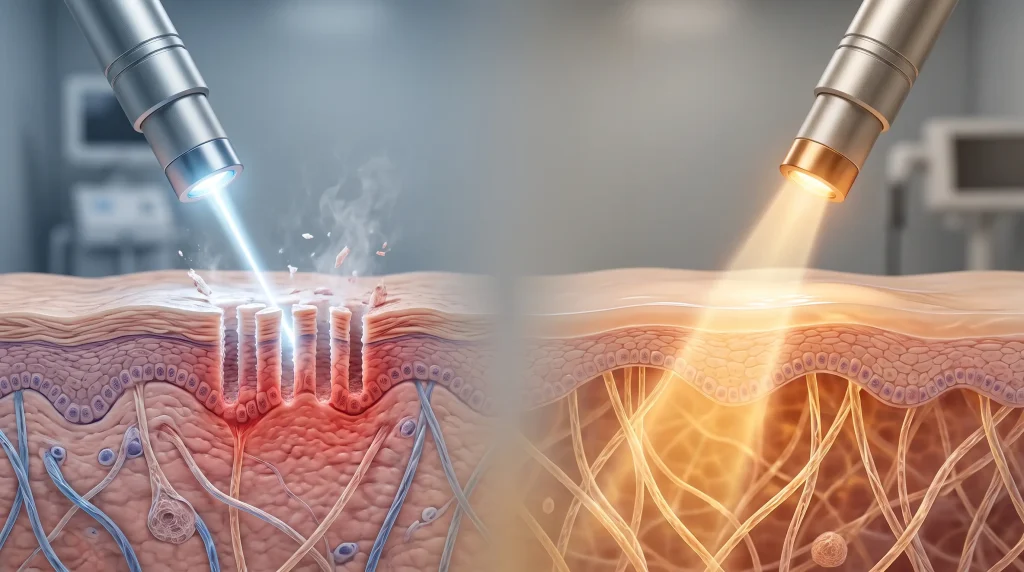


Hair loss affects millions of adults, often impacting self-esteem and daily confidence. Fortunately, modern medical advancements have transformed how thinning hair and balding are addressed. Residents of North Carolina no longer need to travel to distant medical hubs to access a range of hair restoration therapies. Finding a reputable hair replacement clinic in Raleigh allows local patients to discuss advanced solutions close to home.
From non-surgical therapies to hair transplantation, local specialists can provide customized care based on individual hair-loss patterns and treatment goals. Understanding the available options represents an important first step toward making an informed decision about hair restoration.
Understanding Modern Hair Restoration Techniques
Modern hair restoration has advanced considerably beyond the noticeable hair plugs associated with previous decades. Today, clinics utilize techniques designed to work with existing hair growth patterns and donor hair characteristics.
Follicular Unit Extraction (FUE) is a commonly used hair transplantation technique. During FUE, specialists harvest individual follicular units from a donor area, usually around the back or sides of the head, before transplanting them into areas affected by thinning.
Another technique is Follicular Unit Transplantation (FUT). This method involves removing a strip of scalp containing hair follicles before the grafts are separated and transplanted. Depending on the patient’s circumstances, FUT may provide a suitable option for obtaining a larger number of grafts.
Beyond surgical procedures, clinics may also offer non-surgical approaches such as platelet-rich plasma (PRP) therapy and low-level light or laser treatments. The suitability of these options depends on the underlying cause and pattern of hair loss.
For individuals experiencing autoimmune-related hair loss, finding specialized alopecia treatments in Raleigh can provide access to professional evaluation and condition-specific care. Conditions such as alopecia areata require a different approach from common hereditary hair loss.
Understanding FUE Hair Transplantation
FUE involves removing individual follicular units from a donor area and placing them into selected recipient areas. Because individual follicles are extracted, the procedure does not involve removing a linear strip of scalp.
The number of grafts required depends on factors such as the extent of hair loss, donor hair availability, hair characteristics, and the areas being treated.
Exploring FUT Hair Transplantation
FUT involves removing a strip of scalp from the donor area and separating it into individual follicular grafts. These grafts can then be placed into areas experiencing hair loss.
A linear scar can remain in the donor area following FUT. A consultation can help determine whether FUT, FUE, or another treatment approach is appropriate for the individual’s circumstances.
Considering Non-Surgical Hair Restoration
Not every person experiencing hair loss requires a surgical transplant. Depending on the cause, non-surgical approaches may include medications, PRP therapy, or low-level light-based treatments.
The effectiveness and suitability of these options can vary. A professional assessment can help identify the potential cause of hair loss and determine which approaches may be appropriate.
Addressing Alopecia-Related Hair Loss
Autoimmune forms of hair loss require appropriate medical evaluation. Alopecia areata, for example, can cause hair to fall out in distinct patches and may develop differently from hereditary hair loss.
Specialists providing alopecia treatments in Raleigh can assess the condition and discuss treatment options based on the type, severity, and progression of hair loss.
Selecting the Right Clinic for Your Needs

Choosing where to undergo hair restoration requires careful research and clear criteria. A reputable hair replacement clinic in Raleigh should provide information about practitioner qualifications, treatment options, technology, potential risks, and expected recovery.
During an initial consultation, the medical team may analyze the scalp and assess hair density, donor hair availability, and the pattern of hair loss. Tools such as high-magnification trichoscopy may provide additional information about the scalp and hair follicles.
Key Factors to Evaluate
Medical Credentials: Review the qualifications and professional registration of the physicians or clinicians providing treatment.
Before-and-After Portfolio: Ask to view photographs of previous patients with comparable hair-loss patterns. These examples can provide context but should not be treated as a guarantee of a particular outcome.
Technology Standards: Ask which technologies and equipment are used for assessment and treatment and how they contribute to the proposed procedure.
Transparent pricing and realistic expectations are also important when comparing clinics. A responsible provider should explain what can reasonably be achieved based on donor hair availability and the extent of hair loss.
Reviewing Practitioner Experience
Experience with different forms of hair loss can be an important consideration when selecting a clinic. Patients can ask how frequently the practitioner performs the proposed procedure and whether they have treated cases similar to their own.
It can also be useful to understand who will perform each stage of the treatment, from initial assessment through to follow-up care.
Assessing the Consultation Process
A thorough consultation should examine more than the visible areas of thinning. The clinician may review medical history, family history, previous treatments, scalp condition, and the progression of hair loss.
This information can help determine whether transplantation is appropriate or whether another treatment pathway should be explored first.
Comparing Treatment Plans and Costs
The cost of hair restoration can vary depending on the procedure, number of grafts, clinical requirements, and provider. Patients should ask what is included in the quoted price and whether follow-up appointments are included.
Understanding the full treatment pathway can help avoid unexpected costs and provide a clearer picture of what the procedure involves.
Considering Follow-Up Care
Hair restoration often requires follow-up during the recovery and growth process. Choosing a local provider can make these appointments more convenient for Raleigh residents.
Regular follow-up also gives the clinical team an opportunity to monitor healing, answer questions, and address concerns that may arise after treatment.
Customizing Solutions for Different Types of Hair Loss
Hair loss does not present itself in the same way for every individual. Men commonly experience male pattern hair loss involving the hairline and crown, while women may experience more diffuse thinning across the scalp.
However, hair loss can have numerous causes, including genetics, hormonal changes, nutritional deficiencies, medical conditions, medications, and autoimmune disorders. Identifying the underlying cause is therefore an important part of treatment planning.
Addressing Specialized Conditions
Autoimmune conditions and scarring alopecias require clinical expertise beyond standard cosmetic procedures. Patients seeking alopecia treatments in Raleigh may require a detailed evaluation to determine the type and cause of their hair loss.
Depending on the presentation, a clinician may recommend additional investigations. Treatment can vary considerably depending on the diagnosis and may involve medical therapies rather than hair transplantation.
Evaluating Male Pattern Hair Loss
Male pattern hair loss is commonly associated with genetic and hormonal factors. It can develop gradually, often beginning with recession around the temples or thinning at the crown.
Treatment options may include medical management or transplantation. The appropriate approach depends on the progression of hair loss, donor hair availability, age, and individual circumstances.
Managing Female Hair Thinning
Women can experience hair thinning for many different reasons. Genetic factors, hormonal changes, nutritional issues, stress, medications, and underlying health conditions can all contribute.
Because the cause may not be immediately apparent, a detailed assessment can help determine whether medical treatment or another approach should be considered before transplantation.
Investigating Temporary Hair Loss
Some forms of hair shedding are temporary and may occur following significant stress, illness, nutritional deficiencies, hormonal changes, or other factors.
Identifying and addressing the underlying trigger may be more appropriate than immediately pursuing surgical restoration. A healthcare professional can recommend further investigation when necessary.
Developing an Individual Treatment Plan
Once the cause and pattern of hair loss have been assessed, the practitioner can discuss appropriate options. These may include medication, non-surgical treatments, transplantation, or a combination of approaches.
A customized plan should also take into account the preservation of existing hair and the availability of donor follicles.
What to Expect During and After Treatment
Understanding the recovery timeline can help patients prepare for their hair restoration journey. For surgical procedures performed at a hair replacement clinic in Raleigh, the duration of treatment can vary depending on the technique and number of grafts required.
Hair transplantation is generally performed using local anesthesia, although the exact procedure and clinical protocol depend on the provider and patient’s individual needs.
The Recovery Timeline
Days 1 to 7: Minor swelling, redness, tenderness, or small scabs may develop around the treated areas. Patients are generally given specific instructions for washing and caring for the scalp.
Weeks 2 to 8: Some transplanted hairs may shed as part of the normal growth cycle following transplantation. This does not necessarily mean the procedure has been unsuccessful.
Months 3 to 6: New hair growth may gradually become visible. The rate of growth varies between individuals.
Months 12 to 18: Hair growth and maturation may continue over an extended period, although the exact timeline differs between patients.
Preparing for the Procedure
Before treatment, patients may receive instructions concerning medications, scalp care, exercise, smoking, alcohol, and other factors that could affect the procedure or recovery.
Following these instructions carefully can help patients prepare appropriately for their appointment.
Understanding Temporary Shedding
Temporary shedding can occur following hair transplantation. This is sometimes referred to as shock loss and can involve transplanted or existing hairs.
Patients should discuss expected shedding with their provider before treatment so they understand the possible changes that can occur during the early stages of recovery.
Caring for the Scalp After Treatment
Post-procedure care may include gentle scalp washing, avoiding excessive physical activity, protecting the scalp from direct sunlight, and following specific instructions about hair products.
The exact recommendations depend on the procedure and should come directly from the treating provider.
Monitoring Long-Term Growth
Hair growth following transplantation develops gradually rather than immediately. Follow-up appointments allow the provider to assess healing and monitor progress.
Patients should also understand that underlying hair loss can continue in untreated areas, which may influence future treatment recommendations.
Conclusion
Dealing with hair loss can feel overwhelming, but modern restoration techniques provide individuals with a range of options. Accessing these therapies locally can make consultations and follow-up care more convenient for residents of Raleigh and surrounding areas.
Whether you require surgical transplantation or specialized alopecia treatments in Raleigh, a professional assessment can help identify the underlying cause of hair loss and determine which treatment options may be appropriate. Understanding the procedure, recovery process, potential risks, and expected timeline can help patients make informed decisions about their hair restoration journey.