Dental treatment abroad can look straightforward from a distance. You find a clinic, compare the price with what you would pay at home, book the trip, and return with the work completed. The difficult part is judging the quality of the clinic before you have ever walked through its door.
For this checklist, experts from Orto Nova clinic helped us identify the questions patients should settle before making travel arrangements. A lower treatment price can be attractive, but the decision still depends on clinical experience, diagnostics, communication, and the care available after you return home.
A strong clinic should make those details easy to verify. You should know who will treat you, what the proposed procedure involves, how much it is expected to cost, and what happens if recovery does not follow the expected course. Those answers are far more useful than a polished website or a large gallery of before-and-after photos.
1. Check Who Will Perform the Treatment
Start with the dentist, not the clinic brand. Ask for the full name of the clinician expected to perform your procedure, and check their professional registration. If the treatment requires specialist training, look at the clinician’s background in that specific type of work.
Different procedures demand different experience. A dentist who routinely handles cosmetic restorations may not have the same background in surgical implant cases. The same question applies if you are considering all-on-4 or another complex treatment. You want evidence that the person treating you works with that procedure regularly, rather than simply seeing it advertised on the clinic website.
Photographs of previous cases can be useful, though they should support the clinician’s credentials rather than replace them. Ask how long the dentist has been performing the treatment you are considering and who will take over if another specialist is needed during the case.
2. Find Out How the Treatment Plan Is Built
Remote consultations are useful for an initial discussion, but you can’t confidently make some decisions from photographs alone. A clinic may need current X-rays or additional imaging before it can confirm the plan. Complex restorative and implant cases often require an in-person examination before the final scope is fixed.
Ask which parts of the quote are firm and which may change after you arrive. If additional work becomes necessary, the clinic should explain why before proceeding. That gives you the chance to consider the revised plan instead of discovering extra charges after treatment has started.
Timing should be clear as well. Some procedures can be completed during one trip, while others need healing before the next stage. If a second visit is likely, that should be part of the plan from the beginning.
3. Ask What Materials and Systems Will Be Used
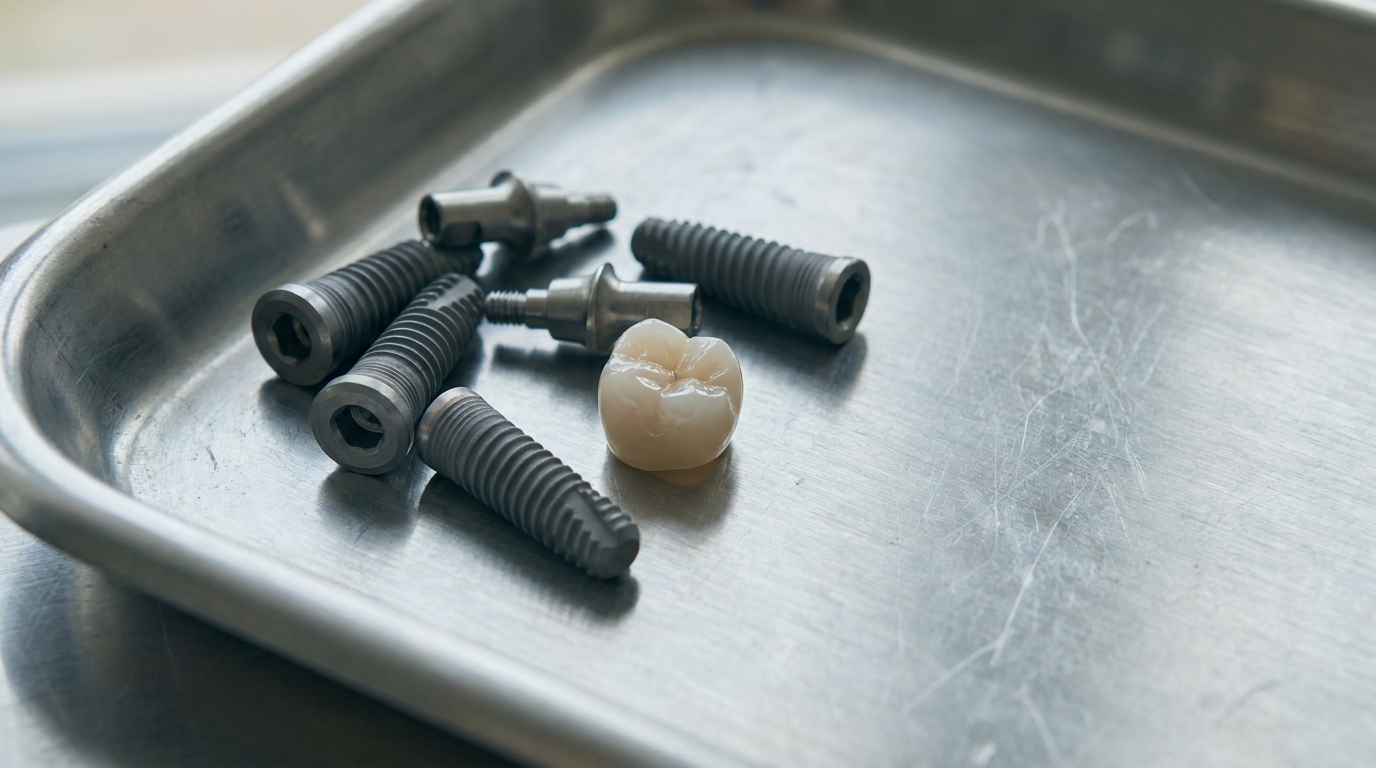
The quality of dental work depends partly on the components behind the final result. If implants are involved, ask which implant system the clinic uses and confirm that you will receive documentation identifying it. That information can become useful years later if a dentist at home needs to maintain or repair the restoration.
For crowns, bridges, or veneers, ask where the restorations are produced and how closely the dentist works with the dental laboratory. A reputable clinic should be able to tell you what will be used and why it suits the proposed treatment.
Patients travelling abroad should leave with records that another dentist can interpret. Knowing the implant brand or restoration material makes future care easier and avoids unnecessary guesswork after you return home.
4. Read the Quote as Carefully as the Treatment Plan
An attractive headline price can hide a great deal of variation. The quote should show what is included in the proposed treatment and which costs may fall outside it.
For implant work, ask which system the clinic plans to use and what documentation you will receive afterwards. For restorative treatment, clarify which stages are included in the quoted price. Temporary work and final restorations can be priced differently, so the treatment plan should make that distinction clear before you travel.
The total cost should also reflect the way the treatment is scheduled. A second trip changes the financial comparison once you add flights and accommodation. Looking at the full course of treatment gives you a more useful number than comparing the first procedure fee alone.
5. Ask What Happens After You Go Home
This is where many patients discover how different overseas care can be from treatment close to home. Once you return, the original clinic may be hundreds or thousands of miles away.
Ask how follow-up is handled from abroad and what happens if you develop pain, swelling, a loose restoration, or another problem after returning home. The clinic should explain which issues can be reviewed remotely and which would require an in-person examination.
Before travelling, consider speaking with a dentist near home if you expect to need continuing care. After treatment, keep copies of your records and relevant imaging. If implants or other specific components were used, you should have enough information for another dentist to identify them later.
6. Judge the Communication Before Paying a Deposit
You can learn a great deal about a clinic before the first appointment simply by paying attention to how it answers questions. Sales staff may handle scheduling and travel arrangements, but clinical questions should reach someone qualified to answer them.
Ask something specific about your proposed treatment and see how the clinic responds. A useful answer should be clear enough for you to decide without forcing you to interpret promotional language. If every question leads back to price or booking availability, you still won’t know much about the care itself.
The same standard applies to written communication. Treatment details, payment terms, and follow-up arrangements should be easy to refer back to later. When you are travelling for healthcare, clear documentation reduces the number of assumptions you have to make once the trip begins.
Recap
Choosing a dental clinic abroad comes down to how much reliable information you can obtain before committing. Credentials, diagnostic planning, infection control, pricing, and follow-up all need to hold up under closer questioning.
A clinic that answers those questions clearly gives you a much better basis for comparison than one that relies heavily on discounts or cosmetic presentation. The trip may begin with price research, but the final choice should come from the quality and clarity of the care being offered.