
Not to scare you, but you can have a serious eye disease and still see 20/20 on the day you walk into an eye doctor’s office. Glaucoma is a good example.
The National Eye Institute estimates that as many as half of people with glaucoma don’t know they have it. Early glaucoma usually causes no pain and no obvious change in vision. And when vision does start to disappear, it often goes from the sides first, slowly enough that your brain can compensate for it. It can be insidious.
But this is the problem with several eye conditions that become more common with age. So waiting until your eyesight feels different or significantly worsens is anything but a reliable way to catch them.
Glaucoma: The One You Really Don’t Want to “Wait and See”
Glaucoma damages the optic nerve, usually over a long period. The most common type, open-angle glaucoma, can sit there quietly while pressure inside the eye and other factors gradually damage the nerve.
You might not notice the missing peripheral vision at first. You may still read, use your phone, and recognize someone’s face across the room. So by the time the loss becomes obvious, some permanent damage may already have occurred.
This is why a pressure check alone isn’t enough. A proper glaucoma evaluation can include eye-pressure measurement, optic nerve examination or imaging, and visual-field testing. The goal is to catch changes before you lose useful vision, not to wait for a dramatic symptom.
If you’re looking for glaucoma treatment in Estero, Florida Vision Centers offers physician-led glaucoma evaluation and management. This includes optic nerve imaging, visual-field testing, pressure monitoring, prescription drops, and laser treatment when appropriate.
AMD Can Start Without a Noticeable Problem
Age-related macular degeneration (AMD) affects the macula, the part of the retina responsible for detailed central vision. The tricky part about early AMD is that it often produces no symptoms at all, making it easy to blame small changes on age.
For example, you may notice that looking at a dinner recipe looks a little less crisp than usual, or that one eye isn’t quite as good as the other. Your brain is remarkably good at filling in gaps, especially when only one eye has changed.
Later AMD is different. Straight lines may look bent or wavy, and you can develop blurry or blank areas near the center of your vision. Wet AMD can progress faster than the dry form and needs prompt treatment. Anti-VEGF injections are now a standard treatment for wet AMD and can slow or stop further vision loss.
Smoking is one modifiable risk factor. And so are poor control of blood pressure and, in some cases, cholesterol. Regular exercise and a diet that includes leafy greens and fish are also associated with better eye health.
Diabetes Can Damage Your Retina Before You Feel Anything
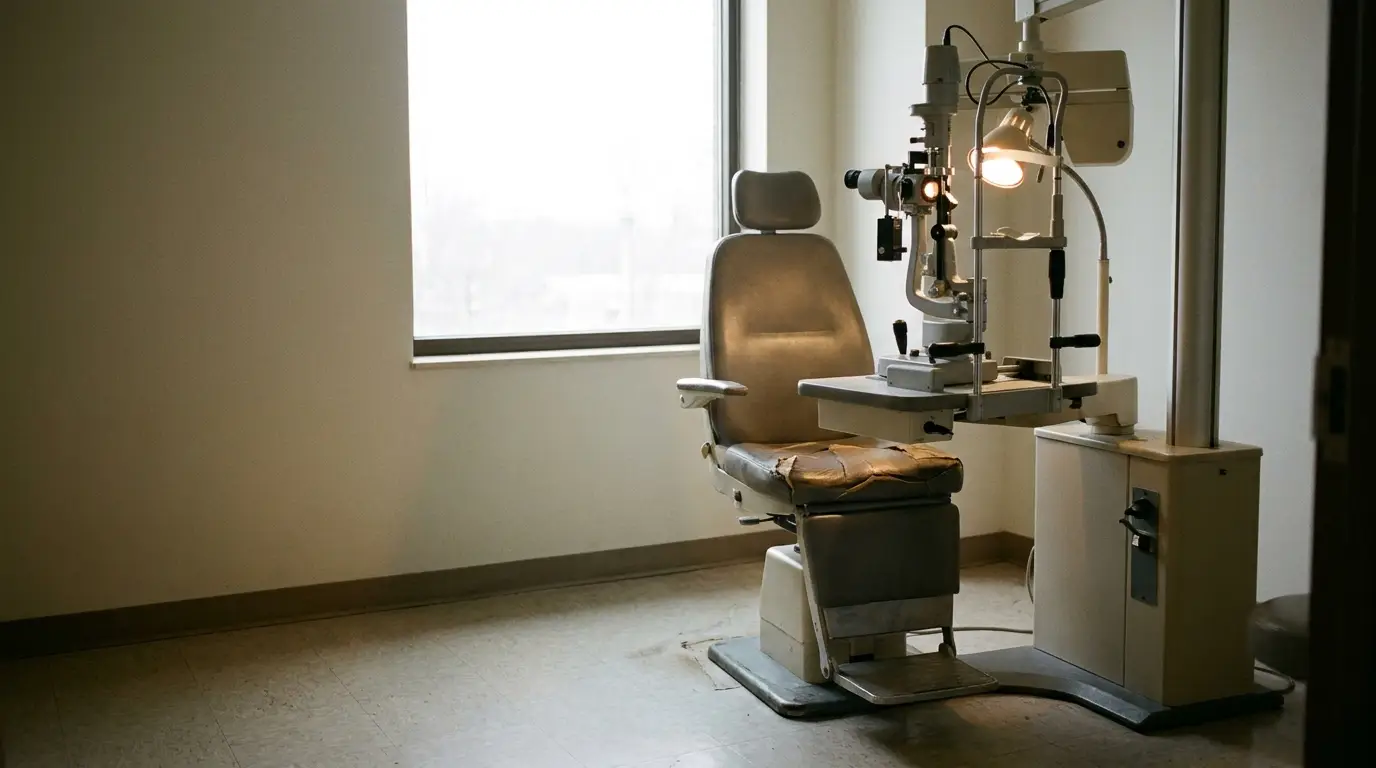
If you have diabetes, your eyes deserve attention even when your vision seems completely normal. Diabetic retinopathy starts by damaging blood vessels in the retina, and early disease often has no symptoms. Later, you may develop blurry vision, floaters, swelling in the retina or serious vision loss.
This is one reason people with diabetes should take their dilated eye exams seriously. The NEI recommends a comprehensive dilated eye exam at least once a year for people with diabetes, with more frequent monitoring when disease is already present. Keeping blood sugar, blood pressure and cholesterol under control also matters.
And no, getting new glasses doesn’t replace that exam. Glasses correct focusing problems, but they don’t let you see what is happening to the blood vessels at the back of your eye.
Cataracts Are Common, But They Still Deserve Attention
Cataracts are very common with age, and they usually become noticeable as they progress. Still, the early stages can sneak past you.
The lens becomes cloudy, which can make your vision hazy, reduce color contrast, and create more glare around headlights or lamps. You might keep changing your prescription and wonder why your vision still isn’t quite right.
Cataracts don’t automatically mean you need surgery tomorrow. Surgery becomes a practical option when the cataract interferes with things you actually care about, such as driving, reading, or watching television. The good news is that cataract surgery improves vision for about 9 out of 10 people who have it.
So, What Should You Actually Do After 50?
Start with an eye exam instead of trying to diagnose yourself from symptoms. Many important eye diseases have either vague symptoms or none at all, and a dilated examination gives an eye doctor a much better view of the retina and optic nerve.
How often you need one depends on your age and risk factors. The NEI recommends exams every one to two years for some higher-risk groups, including adults over 60 and people with a family history of glaucoma. Diabetes and high blood pressure can change the recommended schedule, too.
You can also lower some risks yourself: don’t smoke, protect your eyes from excessive UV exposure, stay physically active, manage diabetes and blood pressure, and eat a reasonably nutritious diet. The usual advice.
One more thing. If you suddenly see a curtain or dark shadow, develop a sudden shower of new floaters or flashes, lose vision, or have severe eye pain with nausea and a red eye, don’t wait for your next routine appointment. Those symptoms need prompt medical attention.