

Comfort at home usually depends less on major remodeling and more on how well a space supports aging bodies. Joint stiffness, slower reflexes, reduced contrast sensitivity, and fatigue can turn routine tasks into tiring work. Small household changes often ease that strain. When rooms fit daily habits, older adults move with less effort, conserve energy, and keep more control over personal routines that shape dignity, rest, and confidence.
Safer Daily Flow
Safety starts with the route a person uses most: bed, bathroom, kitchen, and favorite chair. Southern Californian families often explore practical guidance through home care in Long Beach after they notice hesitation at thresholds, crowded corners, or rushed transfers. That discussion matters because comfort grows from repeatable movement patterns, stable footing, and rooms arranged around the body’s current pace, rather than an outdated setup.
Clear Walkways
Narrow passages raise fall risk long before anyone names the problem. Rolled rug edges, plant stands, and storage bins can interrupt foot clearance during a shuffling gait. A direct path to the toilet matters most at night. Furniture should support pauses, not force detours. Open walking space helps preserve balance reactions, which often weaken with age, medication effects, or lower-limb pain.
Better Lighting
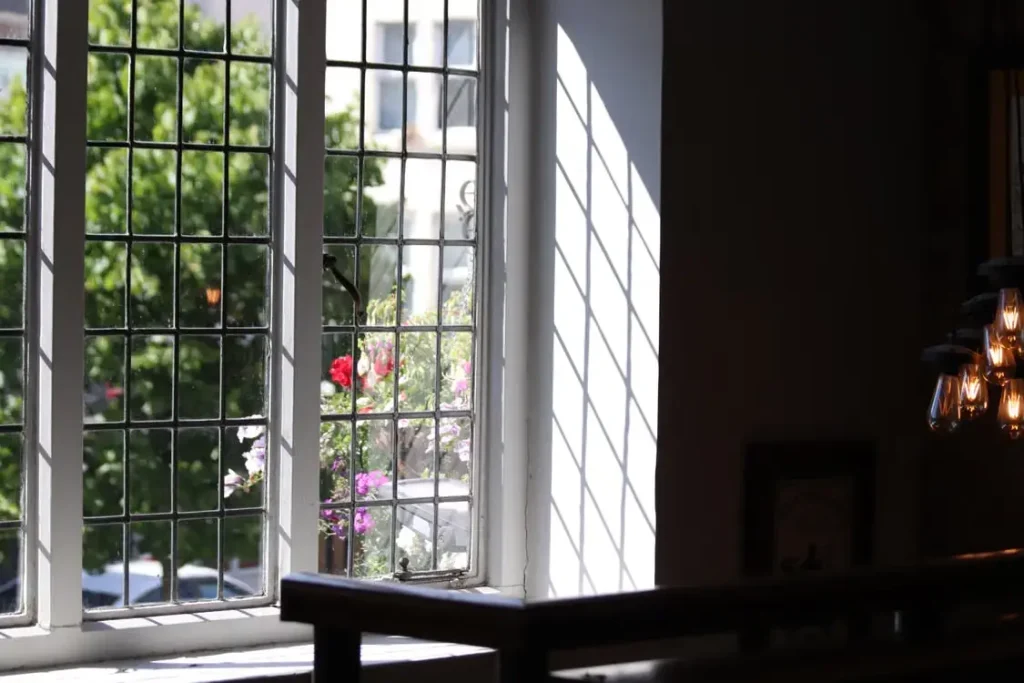
Vision changes can make familiar rooms feel uncertain. Aging eyes need stronger, steadier illumination to distinguish edges, floor texture, and depth. Hallways, stairs, and entry points benefit from bright bulbs with a low glare. Motion-sensing lights reduce fumbling after dark. Window treatments also help because sharp sunlight can wash out contrast, making steps harder to judge and increasing visual fatigue across the day.
Bathroom Support
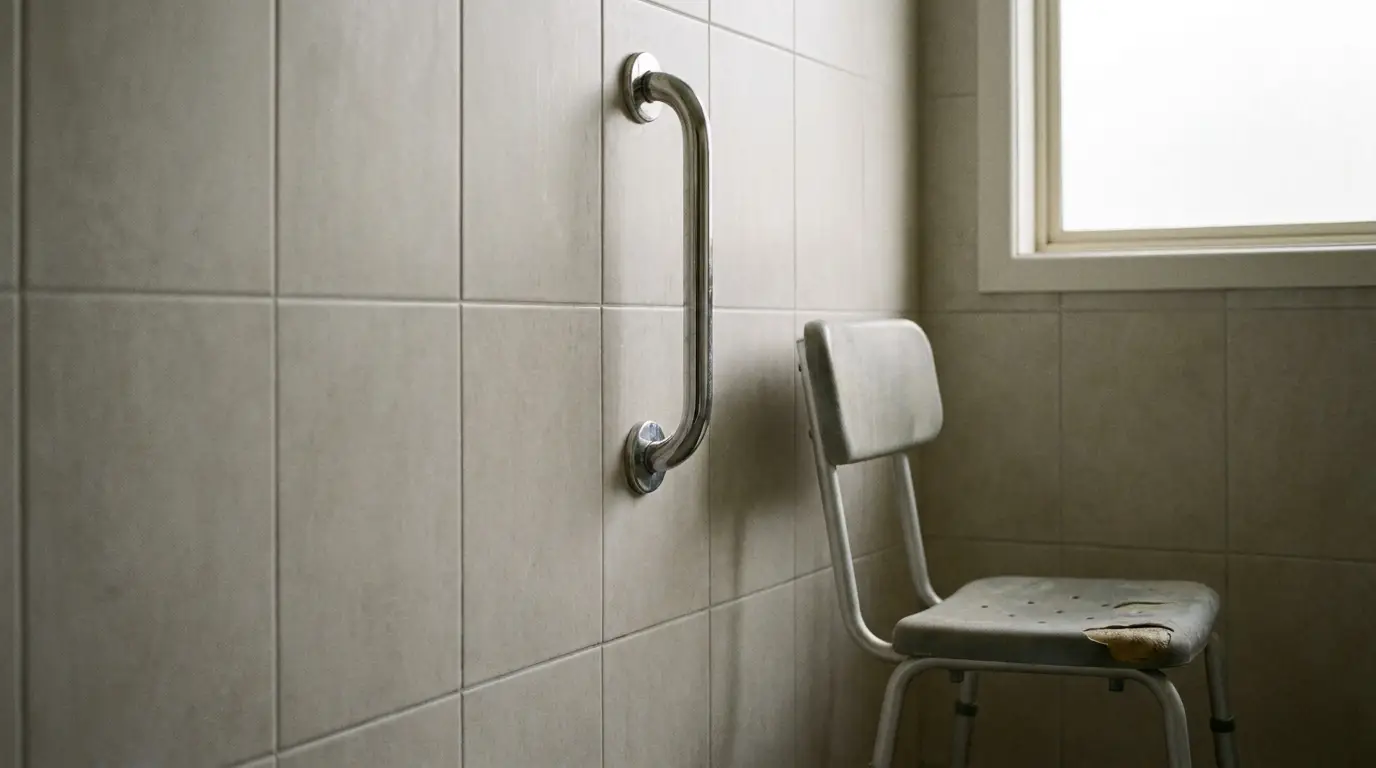
Bathrooms deserve close review because water, smooth flooring, and quick position changes create obvious hazards. Grab bars near the toilet and shower offer fixed support during transfers. A shower chair can reduce leg strain and breathlessness. Handheld sprayers improve washing without awkward twisting. These simple additions often protect privacy by allowing grooming tasks to remain manageable, even when strength and balance decline.
Easier Kitchens
Meal preparation supports appetite, routine, and self-respect, yet kitchens often demand more reach and grip than aging hands tolerate. Everyday dishes, cups, and dry goods should stay between shoulder and hip height. Deep bending can aggravate spinal pain or dizziness. Lever-style faucets help arthritic fingers. A better layout reduces wasted motion, which may conserve stamina for eating, cleanup, and social time.
Seating That Helps
Many older adults sink too deeply into soft furniture, then struggle during the rise to standing. Firm chairs with armrests give the upper body a safer push point. Seat height should allow knees to stay near hip level. A steady side table can offer brief support. Good seating protects posture, reduces effort, and limits the repeated strain that can irritate the hips or the lower back.
Calmer Bedrooms
A bedroom should make rest easier while also supporting safe movement before dawn. Bed height matters because both feet should plant firmly before standing. Nightstands need space for glasses, water, medications, and a phone. Curling mats should leave the room. Frequently worn clothing belongs within easy reach. A better bedroom setup can improve sleep quality, which often affects attention, mood, and daytime steadiness.
Small Tech Wins
Helpful technology does not need to dominate a room. Large-button phones, medication timers, and simple reminder clocks can support orientation without adding confusion. Video doorbells allow screening before a lock is touched. Personal alert devices also give reassurance after a fall or a spell of weakness. Useful tools work best when they reduce cognitive load and fit naturally into established habits.
Comfort Through Familiarity
Home should still feel like the person who lives there. Familiar blankets, framed photos, and favorite books can steady mood and support recall during stressful days. Emotional comfort often improves when cherished items remain visible and usable. Changes should solve a clear problem without stripping away identity. Older adults usually adapt better when updates respect preferences, routines, and long-held ways of living.
Shared Observation
Small physical changes often appear before a crisis. Slower turns, unopened mail, skipped meals, or extra clutter may signal fatigue, pain, low mood, or memory strain. Families who notice these details can respond earlier and with more precision. Regular check-ins keep decisions rooted in daily function. Care tends to feel more respectful when support follows observed needs, rather than fear alone.
Conclusion
Aging at home becomes easier when the environment works with the body instead of against it. Brighter lighting, safer bathrooms, stable seating, and clear walking paths can lower exertion and reduce injury risk. These are modest steps, yet their effect is often substantial. Comfort usually grows through careful observation, timely adjustment, and respect for familiar routines that help older adults remain settled, capable, and secure.