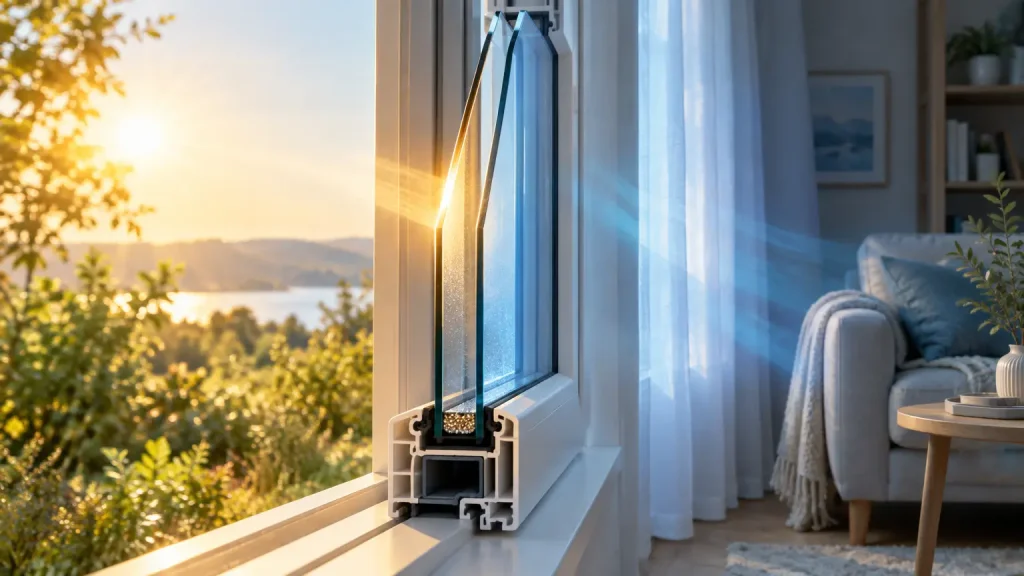
When summer temperatures climb, windows can become one of the biggest sources of unwanted heat inside a home. Sunlight streaming through the glass may brighten a room, but it can also make indoor spaces uncomfortable and force air conditioning systems to work harder. Choosing the right window upgrades can help homeowners improve indoor comfort and energy efficiency, and resources from thewindowdepotllc.com offer options worth considering. However, reducing heat gain doesn’t always require replacing every window. A combination of practical adjustments, better shading, and thoughtful improvements can make a noticeable difference.
Understand Why Windows Let So Much Heat Inside
Windows allow heat to enter a home in several ways. The most obvious is direct sunlight, which passes through the glass and warms floors, furniture, walls, and other surfaces. These materials absorb solar energy and gradually release heat into the surrounding air.
Heat can also move through the glass and frame when outdoor temperatures are higher than indoor temperatures. Poorly sealed windows may allow warm outside air to enter through small openings around the edges.
Understanding these different sources of heat gain helps homeowners choose the right improvements. A window exposed to strong afternoon sunlight may benefit most from exterior shading, while another with damaged weatherstripping may need better sealing.
Stop the Sun Before It Reaches Your Windows

One of the most effective ways to control solar heat gain is to prevent sunlight from reaching the glass in the first place. Exterior shading can reduce the amount of solar energy entering a room before it becomes trapped indoors.
Install awnings and exterior shades
Awnings are especially helpful for windows that receive intense sunlight during the hottest hours of the day. Depending on their orientation, properly positioned awnings can block direct rays while still allowing natural light into the room.
Exterior roller shades and solar screens provide another option. These coverings reduce incoming sunlight without necessarily blocking the view completely.
Use landscaping for natural shade
Trees, shrubs, and climbing plants can provide shade while improving the appearance of a property. Deciduous trees are particularly useful in some climates because they provide shade during summer and allow more sunlight through after their leaves fall.
Plant placement matters. Trees should be positioned with their mature size, root growth, and distance from the house in mind.
Make Curtains and Blinds Work Harder
Indoor window coverings are often treated as decorative features, but they can also help manage indoor temperatures. Choosing the right materials and using them at the right times can improve their effectiveness.
Light-colored curtains with reflective backing can help reduce solar heat gain. Cellular shades are another practical option because their honeycomb structure creates insulating air pockets that slow heat transfer.
Blinds allow homeowners to adjust the amount of sunlight entering a room throughout the day. Tilting the slats upward can redirect some incoming light toward the ceiling rather than allowing it to fall directly onto furniture and flooring.
The timing of these adjustments matters. Closing coverings before strong sunlight reaches the windows is generally more effective than waiting until the room has already become hot.
Consider Window Film for Extra Protection
Window films offer a relatively simple way to reduce solar heat gain without replacing the existing glass. Certain films are designed to reflect or absorb portions of solar energy while still allowing visible light to pass through.
Solar-control films may be especially useful for rooms with large windows, limited exterior shade, or persistent afternoon heat.
However, not all films perform the same way. Some reduce glare significantly, while others emphasize heat rejection or ultraviolet protection.
Before installation, homeowners should confirm that the chosen film is compatible with their windows. Certain films can increase thermal stress on some types of insulated glass, and applying them may affect existing manufacturer warranties.
Professional guidance can help determine whether film is appropriate for a particular window system.
Upgrade to Glass That Handles Heat Better
Older windows may lack the technology found in newer energy-efficient designs. When existing windows are damaged, deteriorating, or performing poorly, replacing them can improve indoor comfort.
Look for low-emissivity coatings
Low-emissivity, commonly called Low-E, glass features a thin coating designed to control radiant heat transfer. Different Low-E coatings provide different levels of solar heat control.
For homes in cooling-dominated climates, glass with a lower solar heat gain coefficient can be especially beneficial.
The solar heat gain coefficient, or SHGC, indicates how much solar heat passes through a window. Lower values mean less solar heat enters the home.
Pay attention to the entire window
Glass is only part of the equation. Frame materials, spacers, installation quality, and overall construction also affect performance.
The U-factor measures how readily heat moves through the complete window assembly. Lower U-factor values generally indicate better insulating performance.
Homeowners should compare both SHGC and U-factor rather than selecting a window based on appearance or glass thickness alone.
Seal Small Gaps That Allow Hot Air Inside
Even well-designed windows can perform poorly when air leaks around their frames. Over time, weatherstripping may become brittle, caulking can crack, and building movement may create small openings.
These gaps allow warm outdoor air to enter, making it harder to maintain a consistent indoor temperature.
Replacing worn weatherstripping around operable windows can help reduce unwanted airflow. Caulking stationary joints around frames may also improve the seal between the window and surrounding wall.
Before applying new materials, inspect the existing seals and remove deteriorated caulk where necessary.
Be careful not to block drainage openings or weep holes designed to let moisture escape. These features protect the window assembly from water accumulation and should remain functional.
Improve Ventilation When Outdoor Temperatures Drop
Blocking heat during the day is important, but managing indoor air during cooler periods can also help maintain comfort.
When outdoor temperatures fall below indoor temperatures, opening windows on opposite sides of a home may encourage cross-ventilation. This allows warmer indoor air to escape while cooler air enters.
Window fans can improve airflow in rooms where natural ventilation is limited. A fan positioned to exhaust warm air through one window may help draw cooler outdoor air through another opening.
However, ventilation should be used selectively. Opening windows during extremely hot or humid weather may introduce additional heat and moisture.
Checking outdoor conditions before opening windows helps ensure that ventilation actually improves comfort.
Give West-Facing Windows Special Attention
Not every window contributes equally to a home’s cooling needs. Orientation, surrounding structures, and seasonal sunlight patterns all influence how much heat enters through the glass.
West-facing windows are often challenging because they receive strong afternoon sunlight when outdoor temperatures are already elevated. East-facing windows can also experience substantial direct solar exposure during the morning.
Rooms with large west-facing windows may benefit from a combination of exterior shading, solar-control glass, and carefully selected indoor coverings.
South-facing windows require a different approach because the sun’s seasonal angle can make roof overhangs and fixed shading particularly effective in certain climates.
Instead of applying the same solution throughout the house, homeowners can focus improvements on the windows responsible for the greatest discomfort.
Create a Cooler Home With a Balanced Approach
Reducing heat gain through windows rarely depends on one improvement alone. Effective results often come from combining shading, properly sealed frames, suitable glass, and sensible ventilation habits.
Start by observing which rooms become uncomfortable and when temperatures begin to rise. This simple assessment can reveal whether direct sunlight, poor insulation, or unwanted airflow is the main concern.
Some solutions, such as adjusting blinds or installing exterior shades, can be relatively affordable. Others, including replacing older windows, require greater investment but may provide additional benefits such as improved noise reduction and easier operation.
The goal is not to eliminate natural light or keep every window covered throughout the summer. It is to control unwanted heat while preserving the brightness, views, and everyday comfort that make windows an essential part of the home.