The first time I noticed how much scalp showed through at my part, my stomach dropped. If you have felt that same worry, I want you to know you are not the only one.
Lots of women deal with thinning hair, and it can be hard to talk about.
That is why I started reading up on scalp micropigmentation, or SMP for short. People kept calling it a way to make thinning hair look fuller, with no surgery and very little upkeep. So I dug in to find out if it really works.
In this blog, I will share what SMP is, how it helps women, the benefits, what happens during the treatment, the results you can expect, the risks, and who it is best for.
By the end, you will know if it might be right for you.
What is Scalp Micropigmentation?
When I first heard the term, I pictured something complicated. It turned out to be simpler than I thought.
Scalp micropigmentation is a cosmetic treatment where a trained technician places tiny dots of pigment into the top layer of your scalp.
Those dots are made to look like hair follicles, or, in the case of women, to add the look of shadow and fullness underneath the hair you already have.
The pigments are made specifically for the scalp; the needle goes in more shallowly, and the dots are spaced to mimic follicles rather than form solid lines or shapes.
Can Scalp Micropigmentation Help Women with Thinning Hair?
Yes, it can help, but in a specific way. It does not add hair; instead, it reduces the contrast between your scalp and your hair, so thin areas look fuller, and the scalp becomes much harder to see.
The common drivers include female pattern hair loss (androgenetic alopecia), hormonal shifts around pregnancy and menopause, stress-related shedding known as telogen effluvium, thyroid issues, and nutritional gaps like low iron.
The link to menopause stood out to me while researching: as estrogen drops, the growth phase of the hair cycle shortens, which is why so many women notice noticeable thinning in their 40s and 50s.
It works well for the thinning patterns women deal with most, like a widening part, thinning at the crown, and general thinning across the top of the head.
By darkening the scalp underneath, your eye stops landing on the bare spots and instead reads the area as thicker hair.
Benefits of Scalp Micropigmentation for Women
Once I understood the basics, I started to see why so many women choose SMP. For me, it came down to three things, and each one answered a worry I had been carrying.
Here is how each of those plays out.
- Creates the Appearance of Fuller Hair: Thin areas become far less noticeable because the scalp no longer shines through. Your hair instantly reads as thicker, even though the number of strands has not changed.
- Non-Surgical and Low Maintenance: There are no incisions and no long recovery, where you hide indoors for weeks. Next to a hair transplant, the downtime is small. After the sessions and a short healing window, the upkeep is light.
- Works Alongside Other Hair Loss Treatments: I liked that it does not force an either-or choice. It can be used alongside minoxidil, PRP injections, topical treatments, or even a hair transplant. If you already have a hair loss plan, this layers on top of it.
What to Expect During a Scalp Micropigmentation Procedure
I like knowing what is coming before I commit, so I mapped out the whole thing step by step. The process spans a few short visits, starts with a real conversation rather than a needle, and gives you room to ask questions at every stage.
Here is the path from your first phone call to your final result.
Step 1: Consultation and Treatment Planning

Before any needle touches your scalp, you talk. This first visit sets the tone for everything that follows, so it is worth taking seriously and not rushing through.
- Scalp check: The technician studies your thinning pattern and skin.
- Color match: Pigment is matched to your natural hair shade.
- Goal setting: You decide together what to fill, a part line, a crown, or both.
Come with questions. A good practitioner will tell you straight what is realistic.
Step 2: The Treatment Process
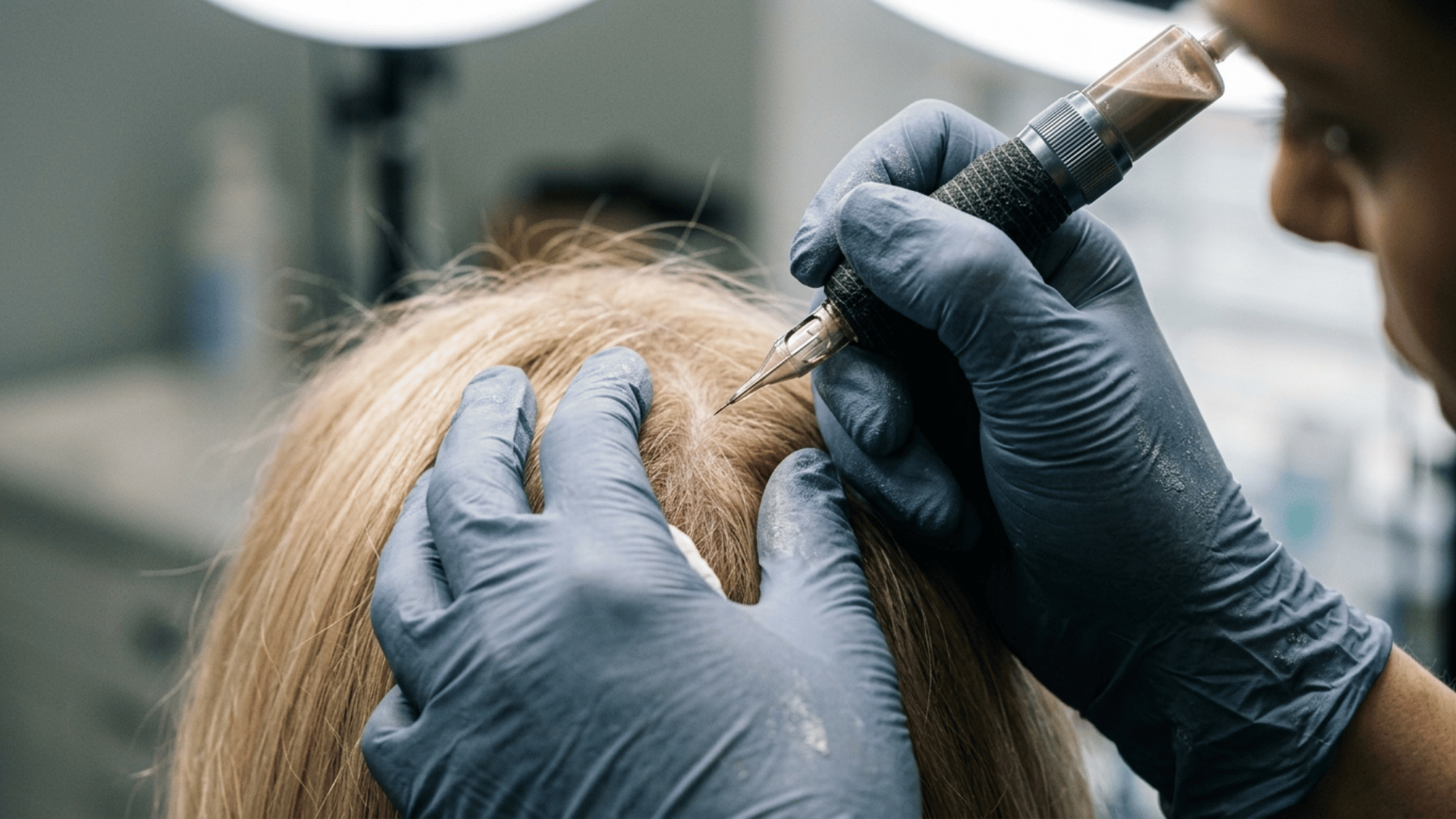
The look is built slowly, not all at once. Spreading the work out is a good thing, since it gives you a chance to see how each layer settles before adding more.
- Sessions needed: Usually 2 to 4.
- Spacing: About 2 weeks apart.
- Time per session: A few hours each.
- Comfort level: Some discomfort, but most women call it manageable.
Building in layers lets the technician adjust as your scalp heals between visits.
Step 3: Recovery and Aftercare
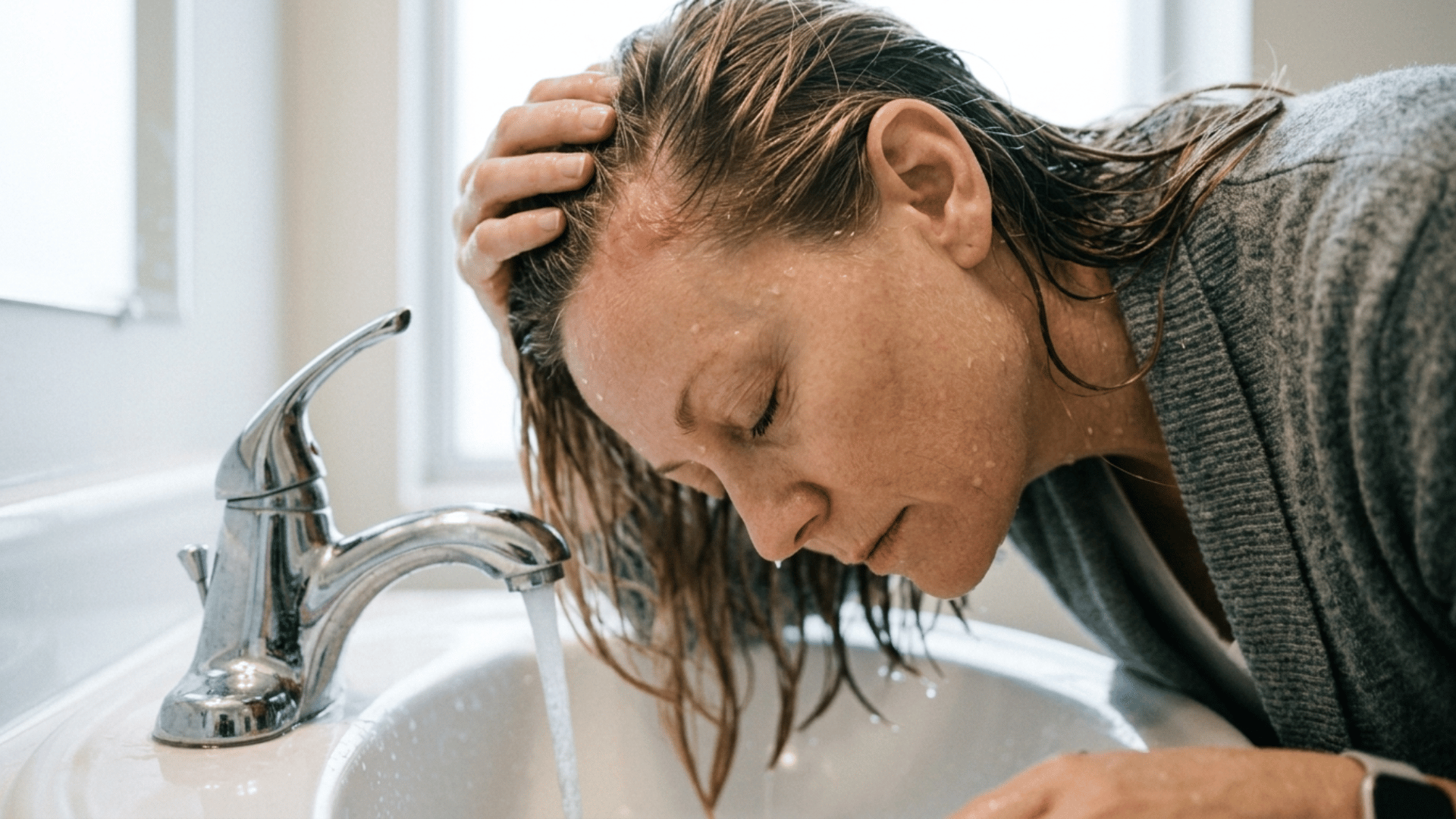
Healing is quick, but your habits matter here. What you do in these first weeks has a real effect on how crisp and even your results look down the line.
| First 2 days | First 1-2 weeks |
|---|---|
| Mild redness | No heavy sweating |
| Light irritation (like a sunburn) | No swimming |
| Keep it clean | Skip direct sun and harsh products |
Do not cut corners on aftercare. These small steps decide how well the final result holds up.
Stick with the aftercare, and once everything settles, you will see the full effect.
Scalp Micropigmentation Results: Before and After Expectations
This is the part most people care about, and I get why. Before I booked anything, I wanted a clear picture of what my hair would actually look like later, not a vague promise.
So here is the honest version of what to expect, how long it holds, and what can sway your results one way or the other.
How Long do Results Last
The effect is semi-permanent, not forever. Most pigment holds for about three to six years before it starts to soften.
The fade is gradual, so you will not wake up one day to a sudden change. A touch-up every few years refreshes the color and keeps everything looking even.
Think of it as low upkeep, not zero upkeep, and you will not be caught off guard.
Factors that Affect the Results of Scalp Micropigmentation
Your results are shaped by a handful of things working together.
- Your natural hair color and skin tone affect how well the pigment blends in.
- The extent of your hair loss matters too, since the treatment works best when there is still some hair to mix with, rather than a fully bare scalp.
And honestly, the skill of your practitioner may be the biggest factor of all.
Risks and Limitations of Scalp Micropigmentation
I won’t highlight benefits without being candid about the downsides. The good news is that the risks are mostly small and manageable, especially if you pick a clean, reputable studio.
But there are real limits to what this treatment can do, and knowing them ahead of time is what keeps you from feeling let down later.
Here is the honest rundown of both the risks and the things SMP simply cannot fix.
Potential Side Effects and Risks
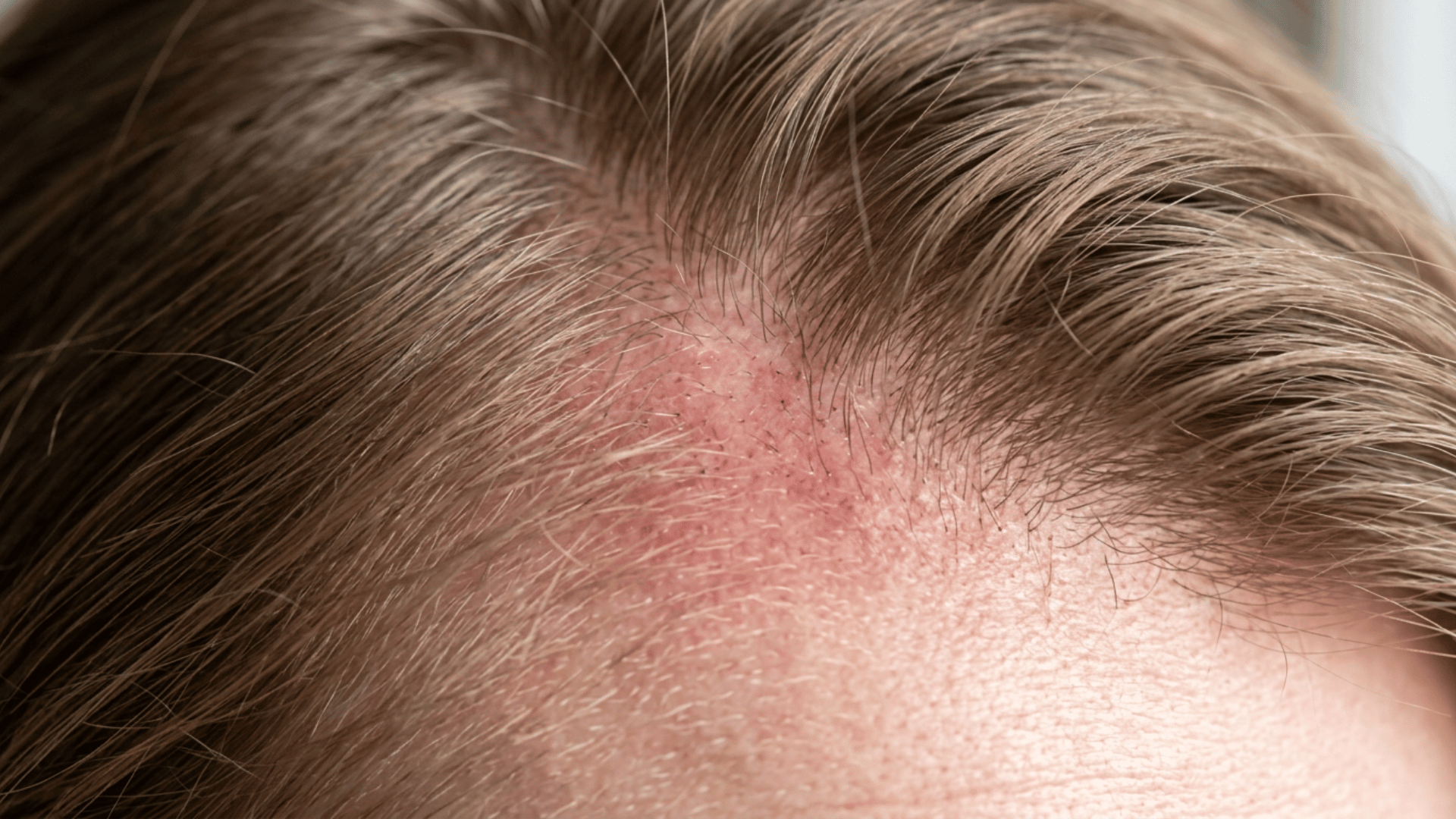
Like any treatment that involves the skin, this one comes with a few side effects to be aware of before you book.
- Redness and irritation: Mild and temporary, usually fading within a day or two, like a light sunburn.
- Infection: A small risk if aftercare is ignored, which can be prevented by clean technique and good hygiene.
- Allergic reaction: Rare, but possible with the pigment. A patch test helps if you have sensitive skin or known allergies.
- Uneven results: More likely with an inexperienced technician, which is why studio choice matters so much.
How SMP Compares to Other Options
To better understand the value of SMP, let’s compare it with some of the most common alternatives on the market.
| Option | How it compares |
|---|---|
| Minoxidil (Rogaine) | Can slow hair loss and regrow some hair, but works for fewer than ~40% of users, requires daily, lifelong use, and takes months. SMP shows results in weeks, but grows nothing. They can be combined. |
| Hair fibers/concealers | Cheap per use, but a daily routine that wind, rain, and sweat can ruin. SMP is one-time coverage with no morning ritual. |
| Hair transplant | Grows real hair and can be permanent, but costs more, needs a stable donor area that many diffuse-thinning women lack, and takes 6–12 months. SMP is often used to increase graft density. |
| Wigs/hair systems | Full coverage and best for advanced loss, but requires daily on/off and can feel warm. SMP stays put with nothing to remove. |
Who is a Good Candidate for Scalp Micropigmentation?
Not everyone is an ideal fit, and that is completely okay. When I was weighing this for myself, figuring out which group I fell into made the decision so much easier.
Here is a simple way to tell which side of the line you land on before you spend money on a consultation.
Women Most Likely to Benefit
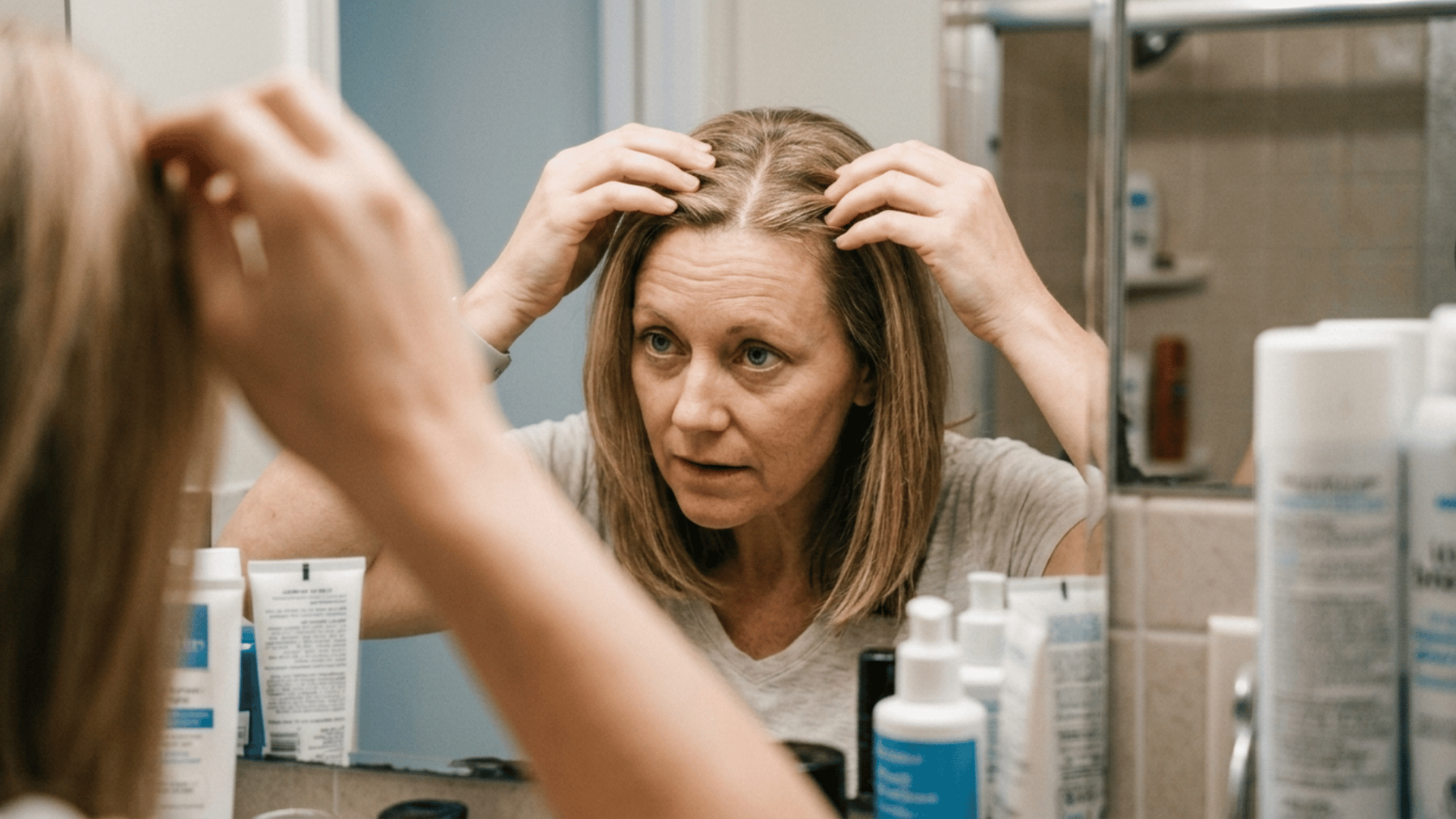
If your thinning matches any of these patterns, the pigment usually has enough hair to blend with for a natural result.
- Diffuse thinning: General thinning across the top of the scalp, where some hair remains.
- Female pattern hair loss: A common, gradual thinning that the treatment can soften nicely.
- Widening parts and crown thinning: Two of the spots that respond best, since darkening the scalp there quickly cuts the contrast.
When SMP May Not Be the Right Choice
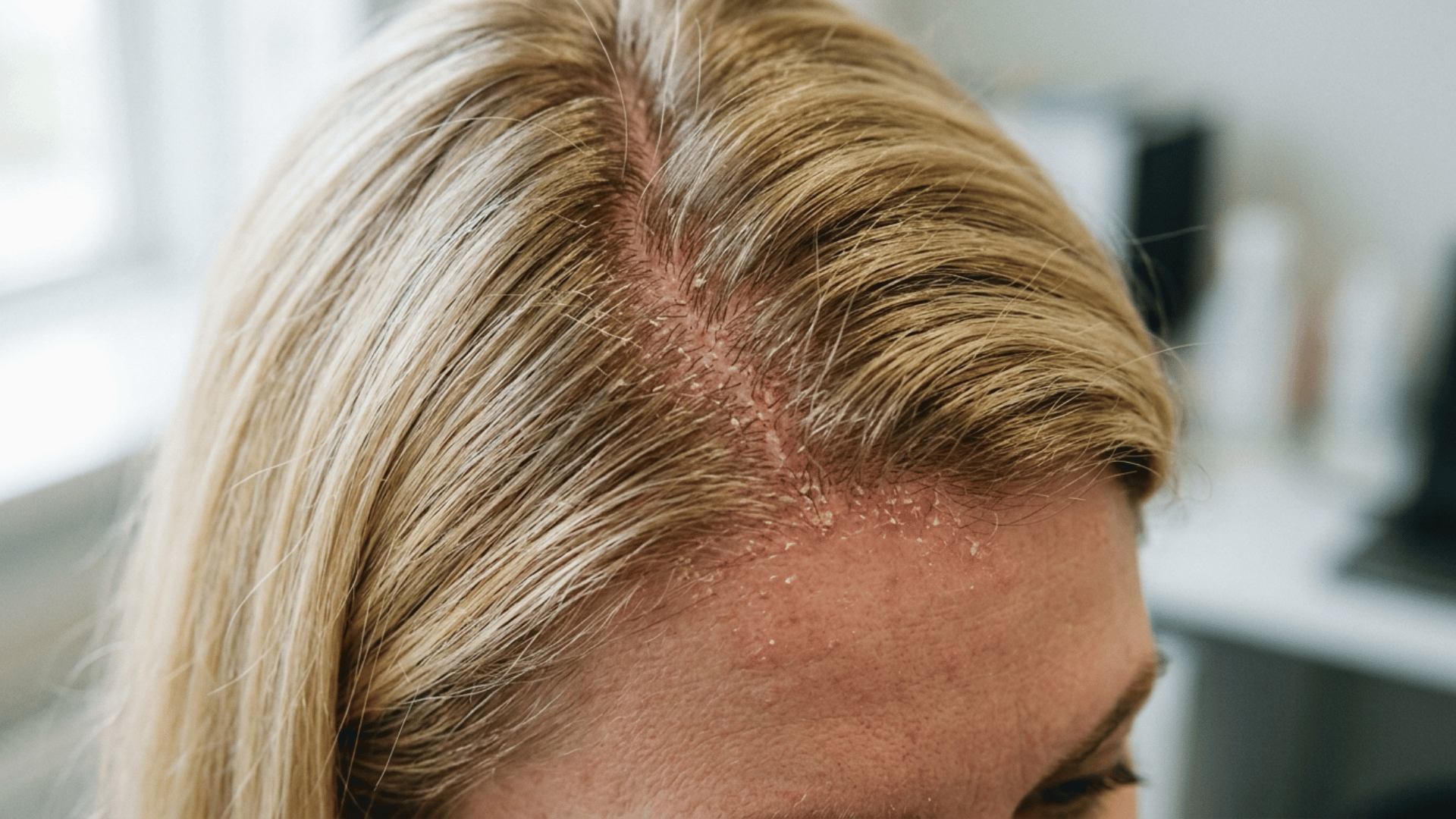
On the flip side, a few situations call for hitting pause and talking to a professional first.
- Active Scalp Conditions: Psoriasis, dermatitis, or an infection mean your skin needs to heal before any work begins.
- Hoping for Regrowth: If your goal is real hair coming back, this is not the treatment for you.
- Certain Medical Situations: Some autoimmune or skin disorders need a doctor’s input first, so check in with both a dermatologist and an experienced practitioner before deciding.
Final Thoughts
So, where does all this leave you? Here is the short version. Scalp micropigmentation will not grow new hair, but it can make the hair you have look much fuller by hiding the scalp beneath the surface.
It heals quickly, is easy to keep up with, and works well with other treatments you might already be using. The treatment shines for thinning parts, crowns, and general thinning where some hair remains.
It is not the right call if you want real regrowth or have a scalp condition that needs care first. The best results come down to honest expectations and a skilled hand doing the work.
If this helped clear things up, share it with a friend who has been wondering the same thing. And if you have questions, drop them in the comments. I read everyone.
Frequently Asked Questions
Will People be Able to Tell I Got Scalp Micropigmentation?
When done by a skilled technician and matched to your hair color, it blends in naturally. Most people will only notice that your hair looks fuller, not the pigment itself.
Can I Still Dye, Color, or Heat-Style My Hair After SMP?
Yes. The pigment sits in your scalp, not your strands, so you can color, straighten, or curl your hair as usual without affecting the results.
What Happens to the Pigment If My Hair Keeps Thinning?
As surrounding hair thins, treated areas may stand out more over time. A touch-up session blends new thinning spots so the look stays even.
Does Scalp Micropigmentation Work on Gray or Light Blonde Hair?
It can, but it is trickier. Technicians use lighter, diluted pigment to match, so booking someone experienced with fair hair really matters here.