Big creative work costs money. A short film, a gallery show, a debut album, a product line, a self-published book with real production values — none of it is free. The talent is yours, but the budget has to come from somewhere. And for a lot of artists, writers, designers, and makers, the default plan is simple: drain the savings account and hope the project pays off.
That plan works until it doesn’t. One slow season, one surprise expense, or one project that takes longer than expected, and a healthy cushion turns into an empty one. The good news is that funding an ambitious project and protecting your financial stability are not opposing goals. You just need a wider set of tools than your checking account.
Here is how creative people pull it off.
Why Self-Funding Alone Is So Risky
There is a reason “starving artist” became a cliché. Creative income is uneven. You might land three commissions in a month and then nothing for two. When your earnings swing that hard, your savings are not just a project fund — they are your safety net for rent, equipment failures, and the gaps between paydays.
Pouring that entire net into one project puts everything on a single bet. If the project succeeds, great. If it stalls, you have no buffer left to keep working, which is often what kills momentum in the first place. Smart creatives treat their savings as the last resort, not the first move.
Start With the Money the Project Can Make Itself
Before borrowing or spending a dime of your own, ask a blunt question: can this project fund part of itself?
Plenty can. Pre-orders, deposits, and presales let your future audience cover today’s costs. A photographer can collect a booking fee before a shoot. A designer can require a 50% deposit before starting. A musician can sell the album before pressing it.
This approach does two things at once. It brings in cash early, and it proves demand before you overcommit. If almost no one pre-orders, that is useful information, and it cost you nothing to learn it.
Crowdfunding: Turn Fans Into Backers
Crowdfunding has matured well past its novelty phase. Platforms now exist for nearly every creative niche, and the model is straightforward — your community funds the work in exchange for early access, perks, or a stake in the outcome.
The catch is that crowdfunding is not free money. A strong campaign takes planning, a compelling pitch, and real marketing effort. Treat it like a project of its own. Set a realistic goal that covers your actual costs, including the platform’s cut and the price of fulfilling rewards. Many first-timers fund the work but forget to budget for shipping and fees, then lose money on a “successful” campaign.
Done right, though, crowdfunding lets the people who want your work pay for it before it exists. That is hard to beat.
Grants, Fellowships, and Residencies
This is the category creatives most often overlook, and it is the only one where you do not pay the money back.
Arts grants, foundation fellowships, and funded residencies exist precisely to support ambitious work. Some are huge and competitive. Many are small, local, and surprisingly winnable. The National Endowment for the Arts and regional arts councils are a solid starting point, and a search for funding in your specific discipline usually turns up more than you would expect.
Applications take time and a thick skin, because rejection is common. But grant money does not dilute your ownership, does not need repaying, and looks good on your résumé. Build a habit of applying, and over a few years the odds shift in your favor.
Borrowing Against What You Own
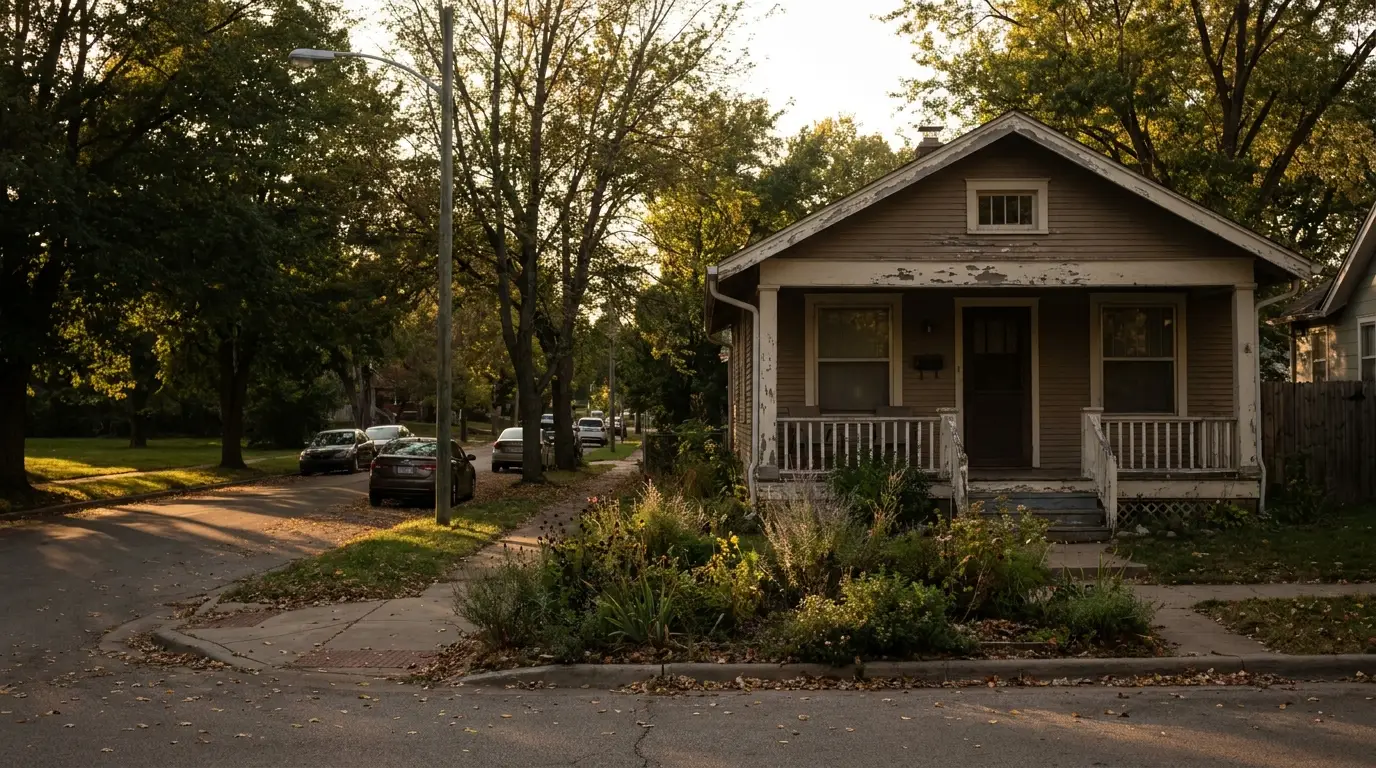
Sometimes a project needs more upfront capital than presales or grants can provide, and that is where borrowing enters the picture. The goal here is to use someone else’s money strategically while keeping your savings intact.
Homeowners have a particularly useful option. If you have built up equity in your home, you can borrow against it, often at lower interest rates than credit cards or personal loans. HELOC loans — home equity lines of credit — let you draw funds as you need them and pay interest only on what you actually use, which suits the stop-and-start cash flow of a creative project well. You might draw down to buy equipment in one phase, pause, then draw again for production later. Because it is a line of credit rather than a lump sum, you are not paying for money sitting idle.
This route is not casual. You are putting your home up as collateral, so it only makes sense when you have a realistic plan to repay and a project with genuine earning potential. Used carefully, it turns a fixed asset into flexible working capital. Used carelessly, it raises the stakes considerably. Read the terms, understand the draw and repayment periods, and treat it as the serious financial tool it is. The Consumer Financial Protection Bureau offers plain-language guides worth reading before you sign anything.
Sponsorships and Brand Partnerships
If your work reaches an audience, that audience has value to brands. Sponsorships trade exposure or content for funding, and they scale with your reach rather than your savings.
You do not need a massive following to start. Local businesses sponsor community projects all the time. Niche brands fund creators whose audience matches their customers, even when that audience is modest. The key is a clear pitch: explain what the brand gets, not just what you need. Frame it as a partnership, and you will land far more yeses than if you treat it as a donation request.
Keep the Business Side Boring
The least glamorous tactic is also one of the most effective: separate your project money from your living money.
Open a dedicated account for project funds. Track what comes in and what goes out. If you are operating at any real scale, talk to an accountant about structuring things properly — the U.S. Small Business Administration has free resources for exactly this. Knowing your true costs lets you price work correctly, qualify for funding, and avoid the nasty surprise of a tax bill you did not plan for.
Boring systems protect creative freedom. When the money is organized, you spend less energy worrying about it and more energy on the work itself.
The Real Goal: Fund the Work, Keep the Cushion
The mistake is thinking you have to choose between making ambitious work and staying financially stable. You don’t. The creatives who sustain long careers are rarely the ones who gambled everything on a single project. They are the ones who learned to mix their funding — pulling from presales, crowdfunding, grants, partnerships, and strategic borrowing — so that no single source carries all the weight.
Spread the risk, protect your savings, and let each project build the foundation for the next one. That is how big work gets made without leaving you exposed when the next opportunity, or the next emergency, comes along.