Log cabin construction is quickly changing the face of Irish housing. No longer just holiday homes, they are now becoming a realistic and increasingly popular option for permanent living. This change has come about particularly during the 2024 to 2026 time frame. People are looking for homes that are sustainable, reasonably priced and energy efficient. Many are looking for alternatives to traditional brick and block-built homes.
Wooden structures are emerging as an effective way to combat construction costs that are on the rise. As well as being environmentally friendly, more and more Irish homeowners and self-builders are exploring timber builds. These timber builds include contemporary log cabins that comply with robust building regulations.
What Is the 3-Phase Economic Model?
The 3-Phase Economic Model is a proprietary framework illustrating how modern log cabin construction delivers significant value and cost savings across the entire homeownership lifecycle in Ireland. This model highlights three distinct phases where log cabins outperform traditional builds: (1) Initial Build Savings, (2) Operational Efficiency, and (3) Adaptive Value.
Initial Build Savings: Log cabins cost 30-40% less than masonry houses to build initially.
Operational Efficiency: Annual heating costs are 15-25% lower in these houses because of their insulation and airtightness.
Adaptive Value: Log cabins make it easy to make changes and add extensions as your family grows.
This comprehensive approach highlights the economic advantages of timber construction in the Irish market.
Why Do Log Cabins Cost 30-40% Less Than Traditional Builds?
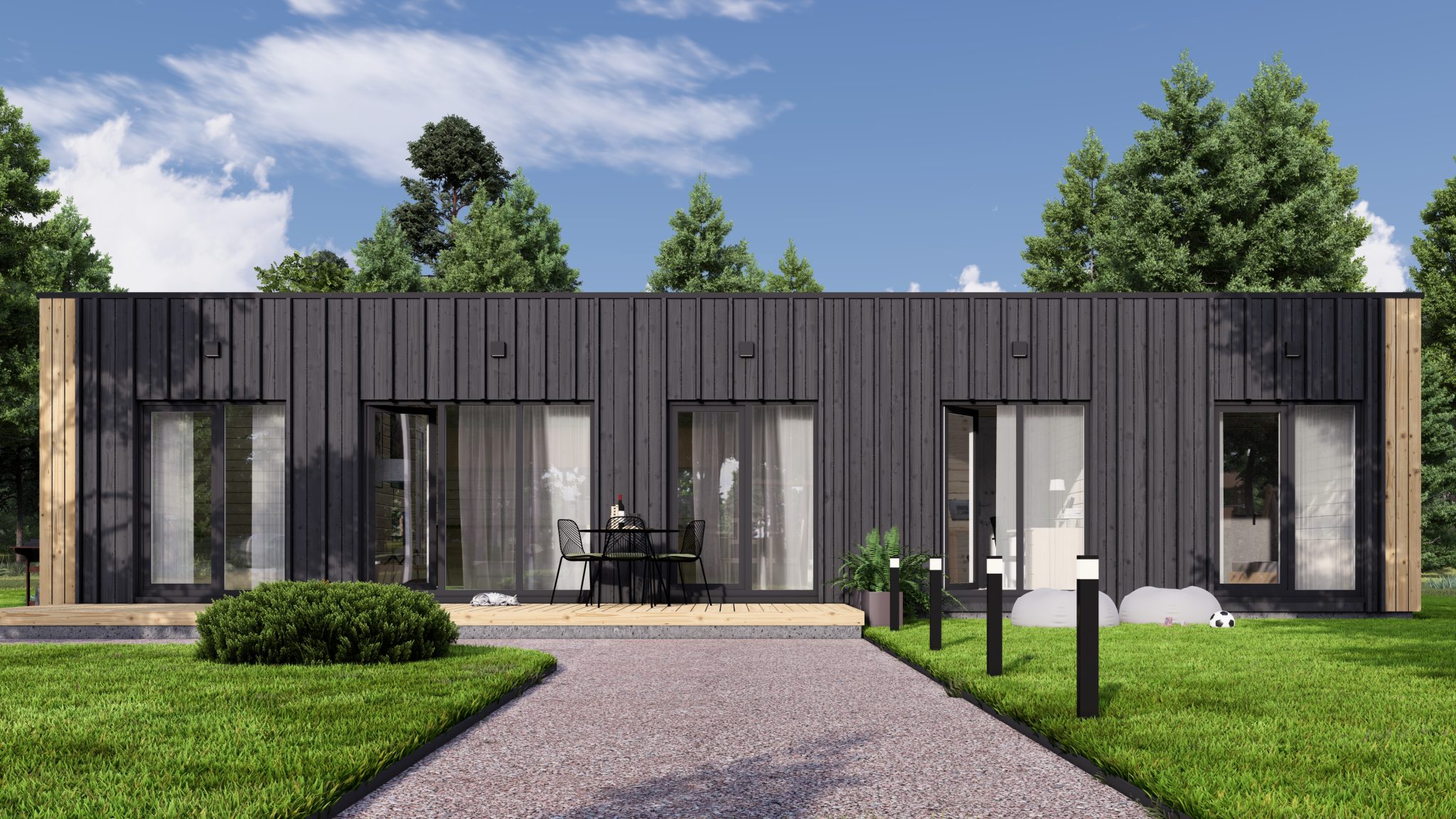
Log cabins can reduce overall construction costs by as much as 30 to 40% when compared to Irish masonry construction. Savings are significant due to material efficiency, lower labour costs, reduced foundation requirements, and shorter construction timelines.
For example, a standard 150m² new build may cost between €420,000 and €520,000. By comparison, a 100m² two-bedroom log cabin can cost between €71,400 and €147,500, depending on finishes and groundwork. The base structure of a 100m² two-bedroom log cabin typically costs between €45,000 and €75,000.
Material Costs: Timber components are often prefabricated, reducing on-site waste and procurement complexity.
Labor Efficiency: Pre-cut kits and simpler assembly processes require less specialised labour and shorter build times.
Foundation Requirements: Lighter timber structures may require less extensive and costly foundation work compared to heavier block builds.
Reduced Construction Timelines: Faster completion significantly cuts financing costs and allows earlier occupancy.
These combined factors contribute to substantial upfront savings and long-term financial benefits for homeowners.
The 3-Phase Economic Model provides a clear financial rationale for choosing log cabin construction. The initial build savings are complemented by ongoing operational efficiencies and the long-term adaptive value, creating a compelling economic case for timber homes.
How Do Irish Planning Permission and Building Regulations Apply to Log Cabins?
When log cabins are designed for residential occupation, they are regarded as permanent structures for the purpose of Irish planning permission and building regulations and full planning permission is required for compliance with the national rules. Structures that are 25m² or less can be exempt from planning permission provided that they are for non-residential use (such as an office or gym) and do not exceed a height of 3m. Further, a distance of 3m from a wall with a window on the neighbouring property must be maintained.
Modern log cabins must comply with Part L of the Building Regulations. The 2022 update introduced stringent targets for fabric energy efficiency, airtightness, and thermal bridging. For instance, walls must have a U value of 0.18 W/m²K, while anything new built from 2019 has to have a BER rating of A2 or better.
Residential Use: Log cabins that are to be lived in permanently will require full planning permission.
Exempted Development: Log cabins may be exempt from planning permission if they are non-residential, less than 25m² (or 30m² as of March 2026), sited behind the front building line and within height limits.
Part L Compliance: All residential log cabins must meet Part L energy performance requirements to the same strict standards as normal houses. Log cabins must comply with requirements relating to U-values, airtightness, and renewable energy contributions.
County-Specific Variations: Approval rates and other criteria vary by county. For instance, a higher proportion of new houses have been approved in the South-West.
Those who wish to build their own log cabin must check with the local authority and ensure their log cabin design meets the building codes right from the start.
What Are the Maintenance Realities for Irish Log Cabin Owners?
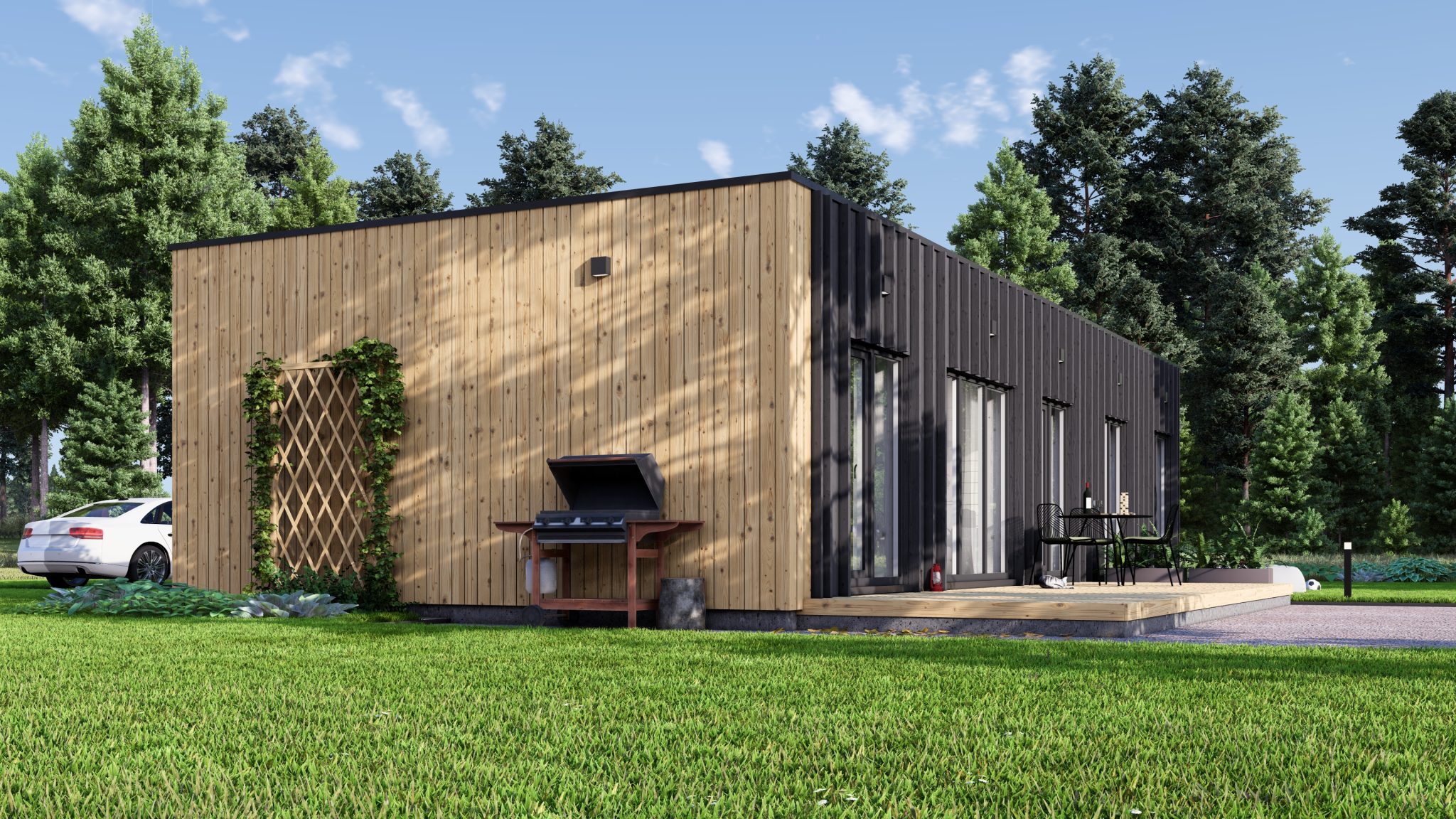
Irish log cabin owners face specific maintenance requirements. Because timber can deteriorate when exposed to excessive moisture, regular treatment and inspection are essential. Annual maintenance costs for a typical log cabin range from €200-€500 for DIY upkeep and €950-€1,780 when professional services are used.
Exterior stains and protective finishes typically require reapplication every 3–4 years. In exposed coastal locations, this may be necessary every 2–3 years. In the first five years, the common issues of moisture ingress, timber discoloration, and cracking can be avoided with some proactive maintenance.
Annual Inspections: Annual inspections of the exterior, roof, gutters, and seals can help identify potential sources of moisture ingress.
Wood Treatment Schedules: Application of UV-resistant and fungicidal stains or sealants is essential to minimize weathering or rot effects on wood.
Moisture Management: Proper drainage, regular gutter cleaning, and adequate ventilation help prevent moisture build-up within the timber structure.
Addressing Settling: Modern glulam systems reduce the settling commonly associated with solid logs, helping to minimise related maintenance requirements.With careful maintenance, a log cabin can last a hundred years or more.
Structural integrity and beauty will be preserved if you carry out log cabin maintenance on a regular basis.
Conclusion: Is Log Cabin Construction Right for Your Irish Build?
In light of a range of economic benefits, log cabin construction offers an attractive alternative to standard builds. This is especially relevant for Irish homeowners, self-builders, and developers as they adapt to evolving sustainability and energy-efficiency standards. The 3-Phase Economic Model highlights timber’s potential for significant upfront cost savings, long-term operational efficiency, and adaptive value within the Irish housing market.
Nevertheless, the choice is largely dependent on individual circumstances: location, budget, and timing. With continued advances in timber technology and growing interest in sustainable construction, log cabin homes are expected to become increasingly popular in Ireland. They are likely to play an important role in shaping the future of residential design and construction. To explore modern log cabin options for Irish homes, click here and discover timber solutions designed for comfort, efficiency, and long-term value.