

Learning to play guitar is only part of the journey. Many musicians spend years improving their technique while knowing very little about how their instrument actually works. That is starting to change. More players are becoming interested in guitar repair, maintenance, and customization because they want greater control over their sound, performance, and long-term instrument care.
Whether someone owns a vintage acoustic guitar, a modern electric model, or a collection of instruments, understanding the basics of maintenance can save money, improve reliability, and deepen appreciation for the craft behind every guitar. For many musicians, learning these skills becomes a hobby that is just as rewarding as playing itself.
Understanding How Your Instrument Really Works
Many guitar players can identify chords instantly, yet struggle to explain why a guitar buzzes, loses tuning stability, or develops intonation issues. Learning repair and maintenance skills changes that.
When musicians understand how neck relief, string height, nut slots, and bridge adjustments affect performance, they can diagnose problems before they become expensive repairs. A simple setup can dramatically improve playability, especially on guitars that have been exposed to seasonal temperature and humidity changes.
This knowledge also helps musicians make smarter purchasing decisions. Instead of judging a guitar solely by appearance, they learn how to evaluate build quality, hardware condition, fret wear, and structural integrity. The result is greater confidence and a stronger connection to the instrument itself.
The Growing Appeal of DIY Guitar Maintenance
The internet has made guitar education more accessible than ever. Players can watch demonstrations, read technical guides, and learn repair techniques from experienced professionals around the world. As a result, many musicians are investing in luthier tools and creating simple workspaces at home. Basic maintenance tasks such as changing electronics, adjusting truss rods, polishing frets, or replacing tuning machines are becoming common skills among serious guitar enthusiasts.
There is also a practical financial benefit. Professional repairs are valuable, but routine maintenance costs can add up over time. Musicians who understand basic procedures can often handle minor issues themselves while reserving major structural repairs for experienced professionals. For gigging musicians, these skills can be especially useful. A player who can troubleshoot problems quickly before a performance may avoid a canceled set or a stressful last-minute repair appointment.
Customization Has Become Part of Modern Guitar Culture
Today’s guitar community places a strong emphasis on personalization. Players are no longer satisfied with treating instruments as fixed products that can never be modified.
Many musicians enjoy experimenting with pickups, wiring configurations, hardware upgrades, and cosmetic changes. Understanding how various guitar pieces work together allows players to shape an instrument that better matches their musical goals. A pickup swap can alter the character of an electric guitar. Different bridge components may improve sustain or tuning stability. Even seemingly small changes can influence tone, feel, and performance.
Customization also encourages creativity. Instead of searching endlessly for the perfect factory-built guitar, musicians can learn how to improve and personalize the instruments they already own. This hands-on approach often leads to a deeper appreciation of craftsmanship and design.
Repair Skills Can Extend the Life of Valuable Instruments
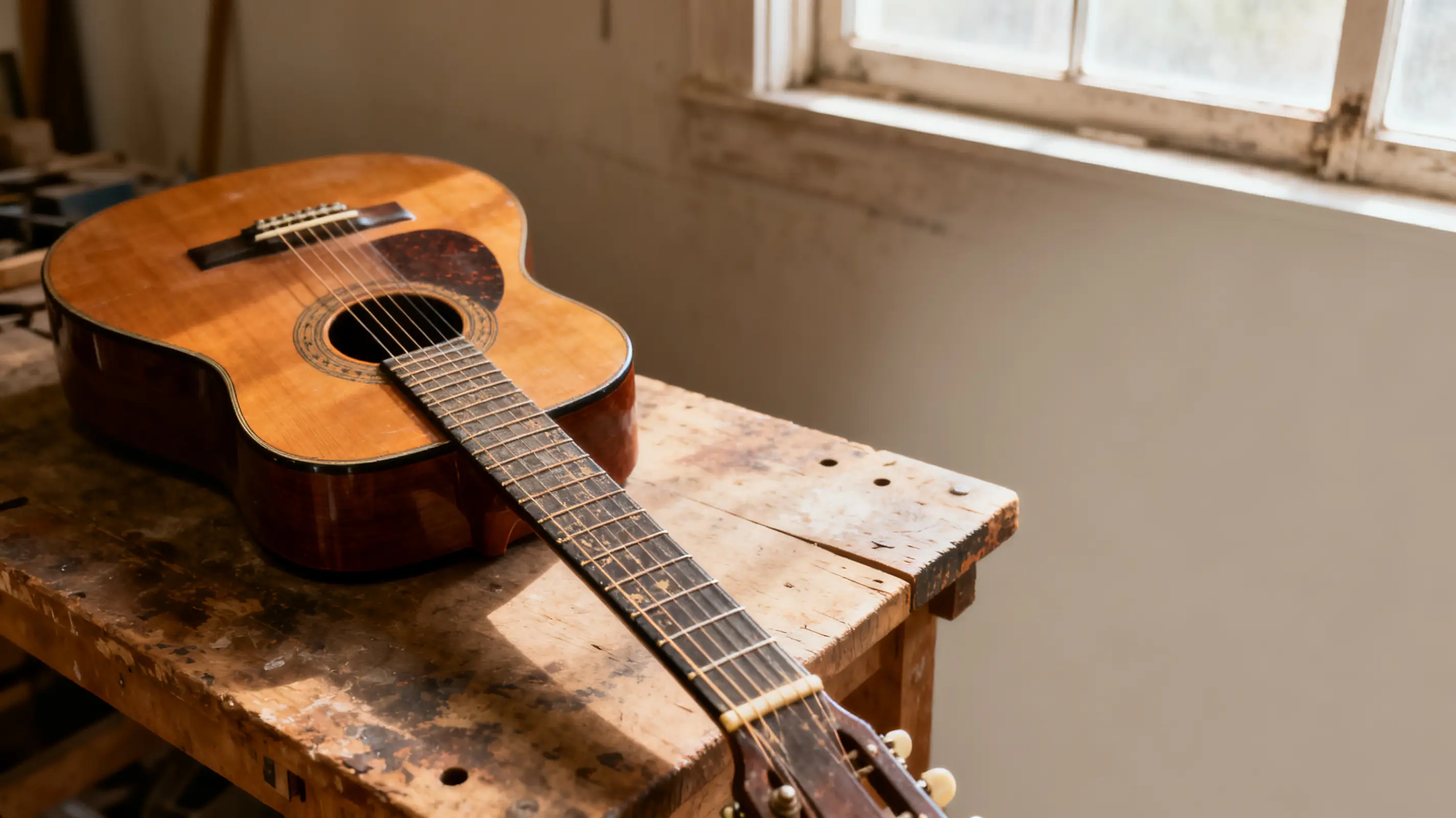
Guitars are built to last, but they still require care. Wood expands and contracts. Frets wear down. Electronics age. Hardware eventually needs attention. Musicians who understand preventative maintenance often keep their instruments in better condition for decades. Regular inspections can reveal issues before they become serious problems.
For example, catching a humidity-related crack early can prevent extensive structural damage. Identifying fret wear before it becomes severe may preserve playability and reduce repair costs. Routine cleaning and maintenance can also help hardware perform more consistently over time.
Vintage guitars especially benefit from careful stewardship. Owners who understand proper storage, handling, and maintenance practices often preserve both the performance and value of their instruments. Knowledge does not replace professional expertise, but it allows players to become better caretakers of their equipment.
The Skills Transfer Across Multiple Instruments
One reason guitar maintenance appeals to so many musicians is that the lessons often extend beyond a single instrument. Concepts such as setup, hardware adjustment, electronics, and wood care can apply to bass guitars, acoustic guitars, and even other stringed instruments.
A player who learns how to perform a proper setup on one guitar develops skills that can be adapted across an entire collection. This creates long-term value that goes far beyond a single repair project. Many musicians also discover that learning repair work strengthens their understanding of tone production. They begin to recognize how physical adjustments influence sound, sustain, resonance, and overall performance.
A Rewarding Skill That Deepens Musical Appreciation
Learning guitar repair and maintenance is not simply about saving money or avoiding repair bills. It offers musicians a chance to understand the craftsmanship behind the instruments they love. Every adjustment, component, and design choice serves a purpose. By learning how guitars function, players gain a greater appreciation for the artistry involved in building and maintaining them.
For many musicians, the experience becomes an extension of their musical journey. Playing remains the main attraction, but understanding the instrument on a deeper level adds another layer of enjoyment that can last a lifetime.
As more musicians seek greater control over their instruments, guitar repair and maintenance skills continue to grow in popularity. From routine setups to customization projects, these skills help players protect their investments, improve performance, and develop a stronger connection to the instruments they rely on every day.