

Leisure looks different everywhere, but one thing that consistently appears across cultures and centuries is the enjoyment of a well-placed wager. Spending an afternoon at the races, visiting a casino resort for a weekend, or following a live sports market through platforms like bizbet are all expressions of the same impulse that has existed in organised form for well over two thousand years. The global leisure tourism market reached $5.17 trillion in 2023 and continues to grow, with entertainment, gaming, and experience-based spending among its fastest-expanding segments. That scale reflects something real about how people choose to spend their time when given the freedom to choose.
The Casino as a Leisure Destination
Modern casino resorts are built around a premise that would have been unrecognisable to gamblers a century ago: that most of their visitors are not primarily there to gamble. Travellers who access options through special apps after completing the bizbet download ios process represent part of a broader shift in how entertainment is consumed, where gaming is one element inside a much larger experience rather than the whole point of the visit. The global casino tourism market was valued at $61.4 billion in 2024 and is projected to reach $103.9 billion by 2034, growing at 5.4% annually, and that growth is driven almost entirely by the integrated resort model rather than standalone gaming halls.
The integrated resort concept evolved from a simple observation: visitors stay longer and spend more when a destination offers accommodation, dining, live entertainment, retail, and wellness alongside gaming. The casino floor in this model is one attraction among many, not the primary draw. Casino visitors today can be broadly grouped into gambling enthusiasts who come specifically for the games, social visitors drawn by the entertainment and atmosphere, and casual guests who happen to try a few hands during what is fundamentally a broader holiday. All three groups coexist in the same building, and modern resort design accounts for that range deliberately.
This shift has changed how people culturally relate to the casino experience. Going to a casino resort for a weekend is now genuinely comparable to attending a concert series or visiting a spa hotel, with gaming simply being part of what is on offer. The decision to play or not play is entirely personal, and many visitors spend their time between restaurants, shows, and pool decks without stepping near a gaming table at all.
Here is a comparison of what integrated resort leisure packages typically include:
| Element | Purpose | Share of visitor time |
|---|---|---|
| Gaming floors | Core gambling entertainment | Varies widely by visitor type |
| Fine dining and restaurants | Culinary experience | High across all visitor types |
| Live shows and concerts | Entertainment anchor | Major draw for non-gambling guests |
| Spa and wellness | Relaxation | Growing segment, especially weekends |
| Retail and shopping | Supplementary leisure | Consistent across all profiles |
The most successful resort destinations have understood for decades that a guest who spends an entire day on site without gambling still represents significant value to the property, and the experience they describe to friends afterward builds exactly the kind of cultural reputation that makes these places worth visiting.
Betting as a Cultural Tradition
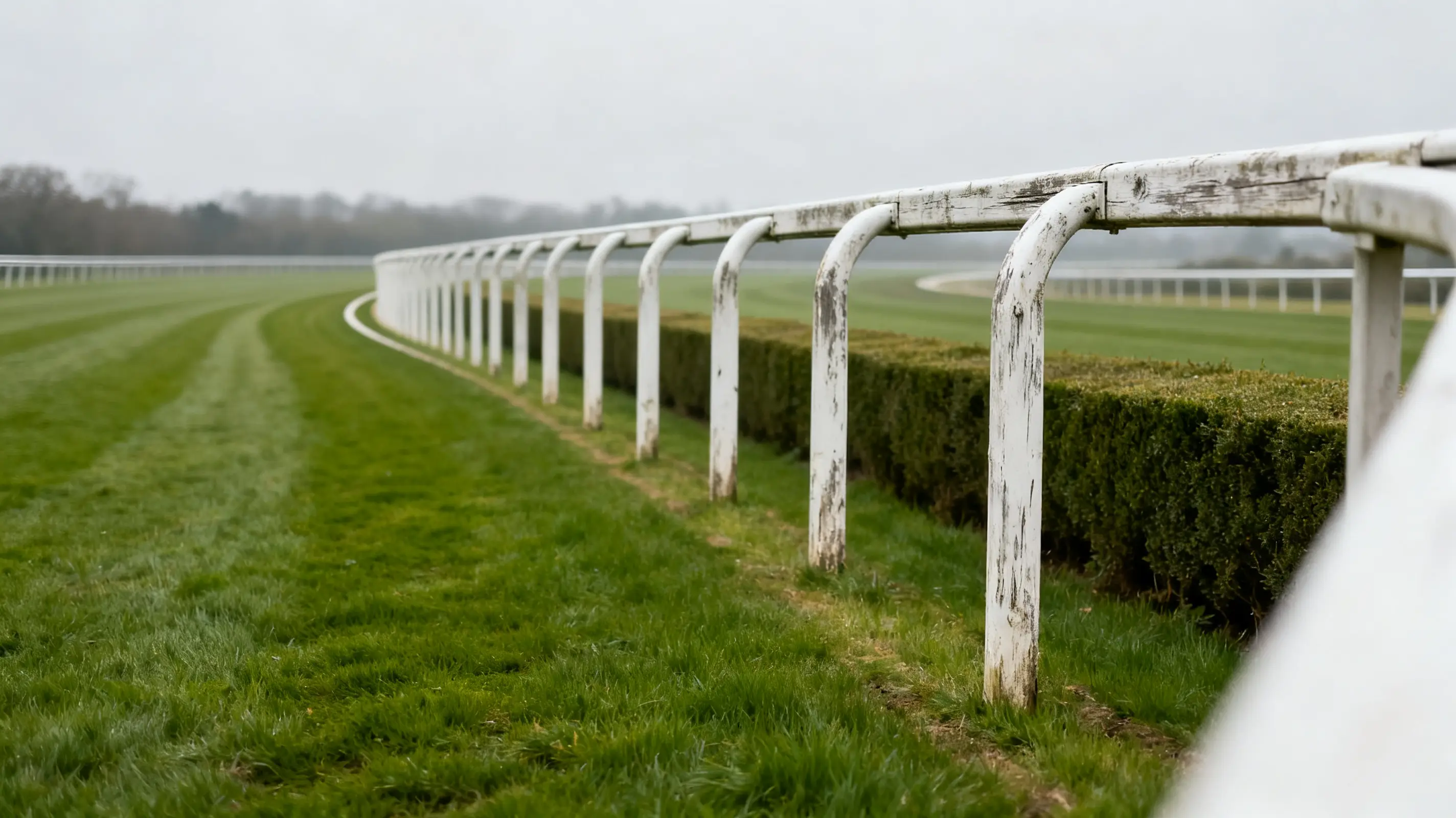
Long before casinos became leisure destinations, betting on races was a family activity in many parts of the world. Horse racing has documented roots stretching back to the Greek Olympic Games in 648 BC, but its role as a shared cultural event began taking its modern shape in the 17th century, when formalized racing and organized wagering developed together. The Jockey Club was established in 1750 to govern the sport and lay down the rules that still broadly shape professional racing today.
What made horse racing culturally distinctive was the social nature of race days themselves. Events like Royal Ascot, first established in 1711, were not purely sporting occasions. They were gatherings where fashion, food, family, and a small wager on a favourite horse all occupied roughly equal importance. Attending a major race meeting was a day out with a structure that suited everyone, from serious form students studying the field to casual attendees who picked a horse based on the name alone. Over $120 billion is wagered on horse racing globally each year, a figure that reflects this broad participation across skill levels and motivations.
The family tradition of race day betting passed through generations in many households as simply part of the ritual. Grandparents who had attended the same events for decades, parents explaining the basics of a win-place-show bet to children for the first time, groups of friends splitting a small pool across the card. That pattern is familiar in cultures where racing holds a historical role, and it treated gambling not as a solitary activity but as part of a shared experience.
What has changed is the range of that tradition. The same cultural impulse that took families to the racetrack now extends across dozens of sports, formats, and platforms. Sports betting has grown into a genuinely broad leisure category, with the ability to follow live markets across football, basketball, tennis, esports, and more from the same interface. The experience of following a match through a live betting market carries a similar engagement quality to watching a race in person, just in a different format and at a different pace.
These are the main ways betting participates in leisure culture today:
- Race day attendance: traditional events that combine sport, social gathering, fashion, and wagering into a single occasion
- Casino resort visits: weekend or holiday trips where gaming is part of a broader entertainment package
- Live sports betting: following a match through shifting markets in real time, adding engagement to events already being watched
- Tournament outright betting: placing a wager on a longer-term outcome before a competition begins, then following it across weeks or months
- Casual single-event bets: a small stake placed on a known event, primarily for the added interest it creates while watching
The responsible version of all of these looks the same: a fixed budget decided in advance, treated as the cost of the entertainment rather than a route to income. Deposit limit tools available in account settings on most platforms make that boundary practical and easy to maintain. Betting as leisure works best when the experience itself, rather than the outcome, is what makes it worthwhile.