

Summer is one of the best times to explore trails, forests, mountains, and parks. Longer daylight hours and warm weather make it easier to spend time outside, but hiking during the hottest months also comes with unique challenges. Heat exhaustion, dehydration, sun exposure, and poor gear choices can turn a great day outdoors into a miserable experience. A little preparation goes a long way toward keeping your hike enjoyable, comfortable, and safe.
Choose the Right Footwear Before You Hit the Trail
Your feet do most of the work during a hike, so footwear deserves careful attention. Uneven terrain, loose gravel, mud, and steep inclines can all cause discomfort if your shoes are not designed for the conditions.
One of the smartest investments for frequent hikers is a quality pair of hiking shoes for men or women that provide traction, stability, and breathable materials. Summer temperatures can make feet swell slightly throughout the day, so it is important to choose shoes with enough room in the toe box while still offering a secure fit around the heel. Breaking in new footwear before a long hike can also help prevent painful blisters and hot spots.
Pair your shoes with moisture-wicking socks instead of cotton. Cotton traps sweat and increases friction, while performance hiking socks help keep feet dry and comfortable even during long treks.
Stay Hydrated Long Before You Feel Thirsty
Many hikers underestimate how much water they need during the summer. Waiting until you feel thirsty often means you are already becoming dehydrated. High temperatures and physical exertion can cause the body to lose significant amounts of water through sweat.
Start hydrating before you leave home and bring more water than you think you will need. For longer hikes, consider carrying a hydration reservoir or multiple water bottles. Electrolyte tablets or powders can also help replace minerals lost through sweating.
Pay attention to warning signs such as dizziness, headaches, muscle cramps, or unusual fatigue. These symptoms can indicate dehydration or heat-related illness and should never be ignored. Taking regular water breaks is often more effective than trying to drink a large amount all at once.
Plan Smart for Summer Outdoor Activities
The best summer hikes often begin early in the morning. Temperatures are typically cooler, trails are less crowded, and wildlife is more active. Starting before sunrise can help you avoid the most intense heat of the day.
When planning outdoor adventures, research trail conditions ahead of time and understand the level of difficulty. A route that feels manageable during spring may become far more demanding when temperatures climb into the upper 80s or 90s.
Checking the weather forecast is equally important. Summer storms can develop quickly in many regions, especially in mountainous areas. Carrying a lightweight rain jacket can make a significant difference if conditions change unexpectedly.
It is also wise to let someone know where you are going and when you expect to return. Even well-maintained trails can present unexpected challenges, and having someone aware of your plans adds an extra layer of safety.
Dress for the Weather, Not the Temperature
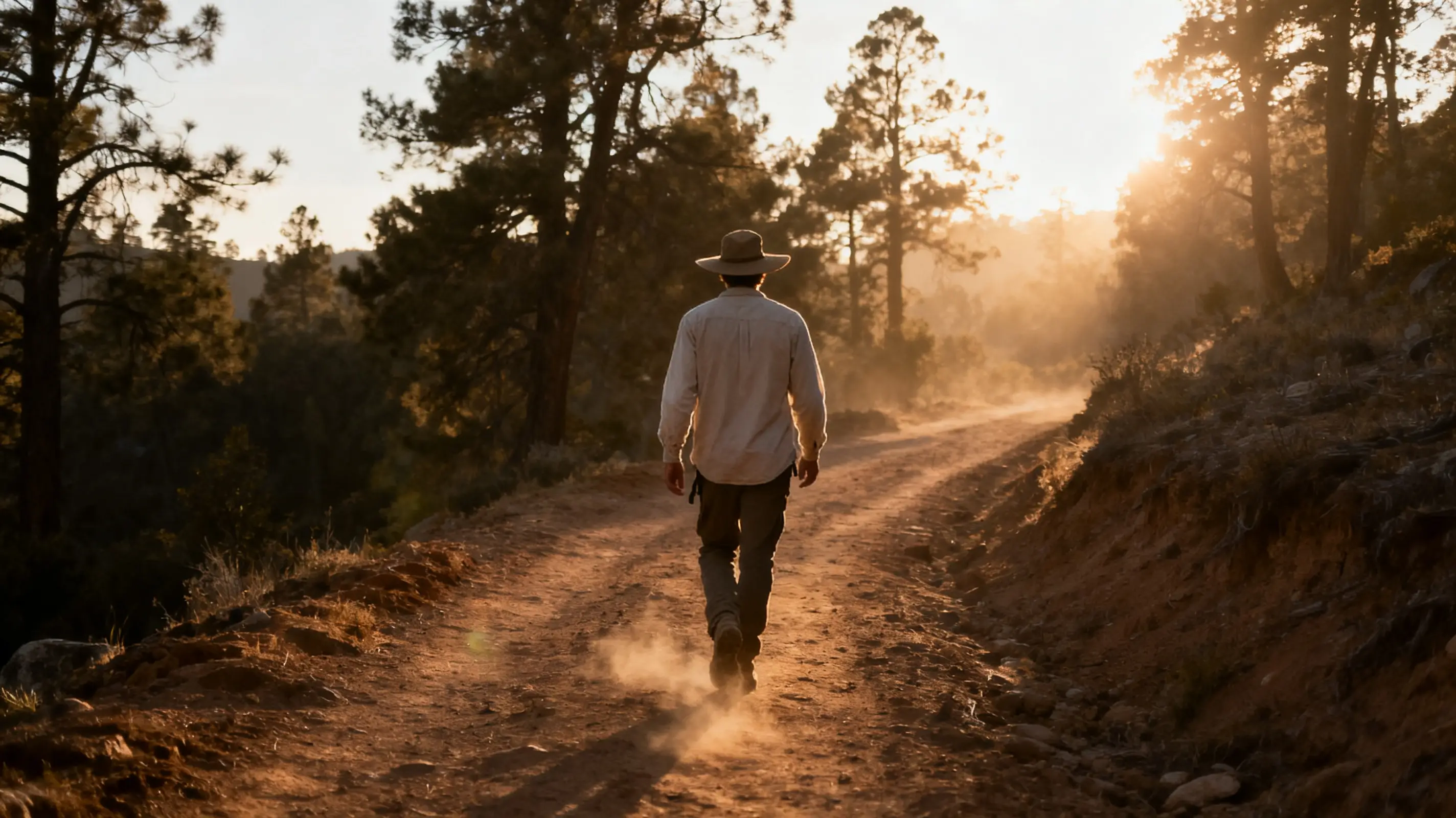
Many people assume that less clothing is always better during hot weather, but that is not necessarily true while hiking. Lightweight, long-sleeved shirts made from moisture-wicking materials can help protect your skin from sun exposure while keeping you surprisingly cool.
Look for clothing designed specifically for outdoor activities. Fabrics that dry quickly and allow airflow can dramatically improve comfort throughout the day. Light-colored clothing generally reflects more sunlight than darker colors and may feel cooler during extended exposure.
A wide-brimmed hat, sunglasses with UV protection, and sunscreen should be considered essential items on summer hikes. Even partially shaded trails can expose hikers to significant amounts of ultraviolet radiation over several hours.
Pack the Essentials Without Overloading Your Backpack
A comfortable backpack should contain the items you need without becoming unnecessarily heavy. Water, snacks, sunscreen, a basic first aid kit, a map or navigation device, and a lightweight layer for changing weather conditions are good starting points.
Energy-rich snacks such as nuts, trail mix, fruit, or protein bars can help maintain energy levels during longer hikes. Many hikers focus on hydration but forget that fueling the body is equally important when covering several miles.
Navigation tools are another must-have. While smartphone maps can be helpful, battery life can become an issue during long outings. Carrying a backup map or downloading offline trail information before leaving home can prevent unnecessary stress if cell service disappears.
Know When to Turn Around
One of the most valuable hiking skills is recognizing when conditions are no longer favorable. Heat, fatigue, storms, or unexpected trail obstacles can all increase risk.
Many experienced hikers follow a simple rule: reaching the destination is optional, returning safely is mandatory. There is no shame in shortening a hike if weather conditions worsen or if you begin feeling symptoms of heat-related illness. Listening to your body can prevent small problems from becoming serious emergencies. The mountain, trail, or viewpoint will still be there another day.
Summer hiking can be one of the most rewarding ways to spend time outdoors. With proper preparation, smart hydration habits, appropriate gear, and attention to changing conditions, you can enjoy every mile while staying safe and comfortable on the trail.