Personalisation has become one of the strongest influences on modern design. From technology and fashion to furniture and home renovation, consumers increasingly expect products and spaces to reflect their individual preferences rather than follow a standard template. The home, where people spend a significant portion of their lives, has naturally become a focal point for this shift.
The trend extends beyond aesthetics. Homeowners are looking for practical improvements that suit their lifestyle, improve daily comfort and remain relevant as needs change. Instead of undertaking frequent cosmetic updates, many are investing in features that combine functionality with timeless design. As a result, custom interior solutions have moved from being a luxury option to an increasingly common part of renovation projects.
Personalisation Is Reshaping Home Design
The desire for individuality has accelerated over the past decade. Interior designers report that clients are increasingly requesting layouts, finishes and architectural details that reflect how they actually use their homes rather than simply following current trends.
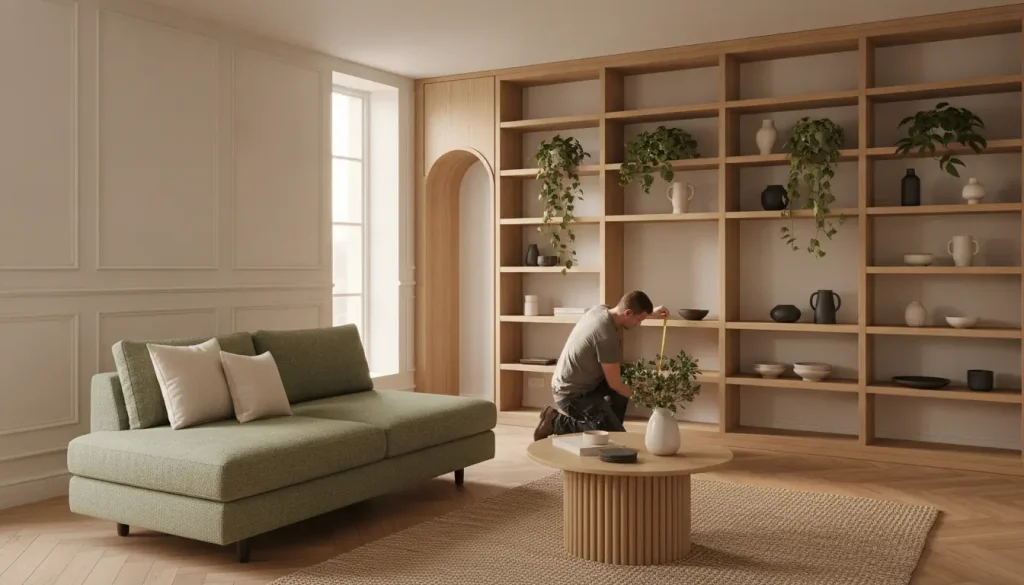
Open-plan spaces are being adapted with bespoke storage, flexible work areas and multi-purpose rooms. Families are creating interiors that support remote working, entertainment and everyday living without compromising style. Rather than copying show homes or social media inspiration directly, homeowners are blending ideas with practical requirements unique to their own properties.
Industry analysts expect this demand to continue. Grand View Research estimates that the global home improvement market will continue expanding throughout the coming years, supported by rising investment in renovation and remodelling as homeowners choose to improve existing properties instead of relocating.
Quality Is Taking Priority Over Quantity
Renovation decisions are becoming more deliberate. Instead of filling homes with decorative features that may quickly fall out of fashion, many consumers are choosing fewer, better-quality improvements that deliver long-term value.
The annual Houzz & Home Study consistently shows that renovation spending is increasingly focused on upgrades that improve both functionality and appearance. Storage solutions, flooring, lighting and carefully selected architectural details remain among the most popular investments because they contribute to the overall experience of living in a property.
Design professionals note that quality materials often reduce maintenance requirements and retain their appearance for longer, making them a more cost-effective choice over time.
Architectural Details Create Individual Character
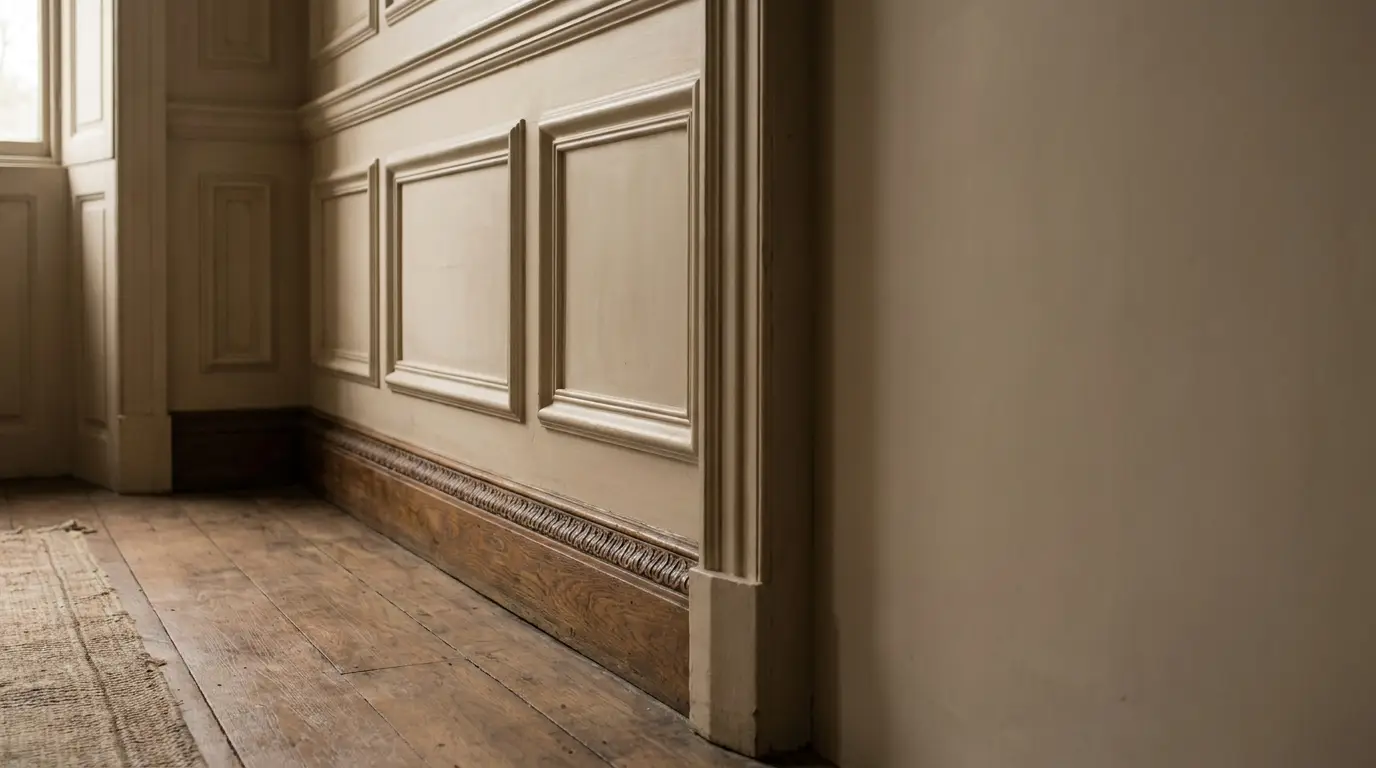
Many of the most successful interiors rely on subtle design elements rather than dramatic statements. Features such as wall panelling, mouldings, bespoke shelving and carefully chosen timber finishes add personality without overwhelming a room.
Attention has also grown around selecting the right types of skirting boardto complement different architectural styles. Contemporary interiors often favour simple square-edged profiles, while period properties may benefit from more decorative mouldings that reflect their original character. Designers increasingly view these details as part of the overall architectural language of a home rather than purely functional additions.
When coordinated with door frames, flooring and paint finishes, these seemingly modest features help create interiors that feel cohesive and thoughtfully designed.
Social Media Has Changed Consumer Expectations
Digital platforms have transformed how people discover interior design ideas. Millions of renovation projects are shared each year through online communities, giving homeowners access to a wide range of styles, materials and practical solutions.
While trends can spread rapidly, professionals caution against designing solely for online popularity. Interior designers generally encourage homeowners to focus on features that remain useful beyond changing fashions, particularly when making significant investments.
This balance between inspiration and practicality has encouraged greater interest in customisation. Rather than replicating a single design, homeowners often combine ideas from multiple sources to create spaces that better suit their own lifestyles.
Sustainability Supports Long-Term Thinking
Environmental considerationsare becoming a routine part of renovation planning. Consumers increasingly ask where materials come from, how long they will last and whether they can be recycled or responsibly sourced.
The World Green Building Council has highlighted the importance of extending the lifespan of building materials to reduce waste and improve the sustainability of residential construction. Choosing durable interior finishes and adaptable design solutions supports this objective by reducing the need for repeated replacements.
Manufacturers have responded by expanding the availability of certified timber products, lower-emission finishes and materials designed for extended performance. These developments allow homeowners to combine environmental responsibility with high-quality design.
Skilled Craftsmanship Is Regaining Importance
Custom interiors depend as much on workmanship as on materials. Accurate installation, careful planning and attention to detail determine whether bespoke features enhance a property or appear inconsistent.
Experienced joiners, decorators and interior specialists understand that successful projects require every component to work together. Consistent proportions, precise measurements and clean finishing lines create an appearance that cannot be achieved through mass-produced solutions alone.
This renewed appreciation for craftsmanship reflects a wider shift towards quality and longevity. Rather than replacing interior features every few years, homeowners increasingly value improvements that continue to perform well over decades.
Homes Are Becoming More Personal Than Ever
Custom interior design is no longer limited to high-end properties or luxury developments. It has become an accessible approach for homeowners who want spaces that reflect their personality while supporting everyday life.
The growing popularity of bespoke architectural details, durable materials and carefully planned layouts demonstrates that people are placing greater importance on quality than short-term fashion. Small design choices, when considered as part of a broader vision, often have the greatest impact on how a home feels and functions.
As renovation continues to evolve, customisation is expected to remain a defining trend. Homes are increasingly designed around the people who live in them, not simply around prevailing styles. That emphasis on individuality, practicality and lasting quality is likely to shape residential interiors for many years to come.