Pop culture is basically the shared language we all speak without realizing it, the songs stuck in your head, the shows everyone is watching, the memes flooding your feed before you even have your morning coffee.
It shapes how we dress, what we talk about, and even how we see the world around us.
If you have ever found yourself Googling “pop culture definition,” you are probably trying to put a name to something you have already been living, and honestly, that curiosity is the perfect place to start.
Pop Culture Definition
At its core, pop culture is everything that a large group of people collectively enjoys, talks about, and relates to at the same time. Music, movies, fashion, television, social media trends, all of it falls under the umbrella.
If it is widely accessible and people are genuinely engaging with it, it is pop culture.
Academics tend to define it a little more formally, describing it as the shared practices, beliefs, and trends shaped by mass media and everyday consumer behavior.
It sits on the opposite end of “high culture,” which is typically associated with elite or classical art forms.
But honestly, the simpler way to think about it is this: if it is showing up in your feed, your playlist, or your wardrobe, it probably counts.
Key Characteristics of Pop Culture
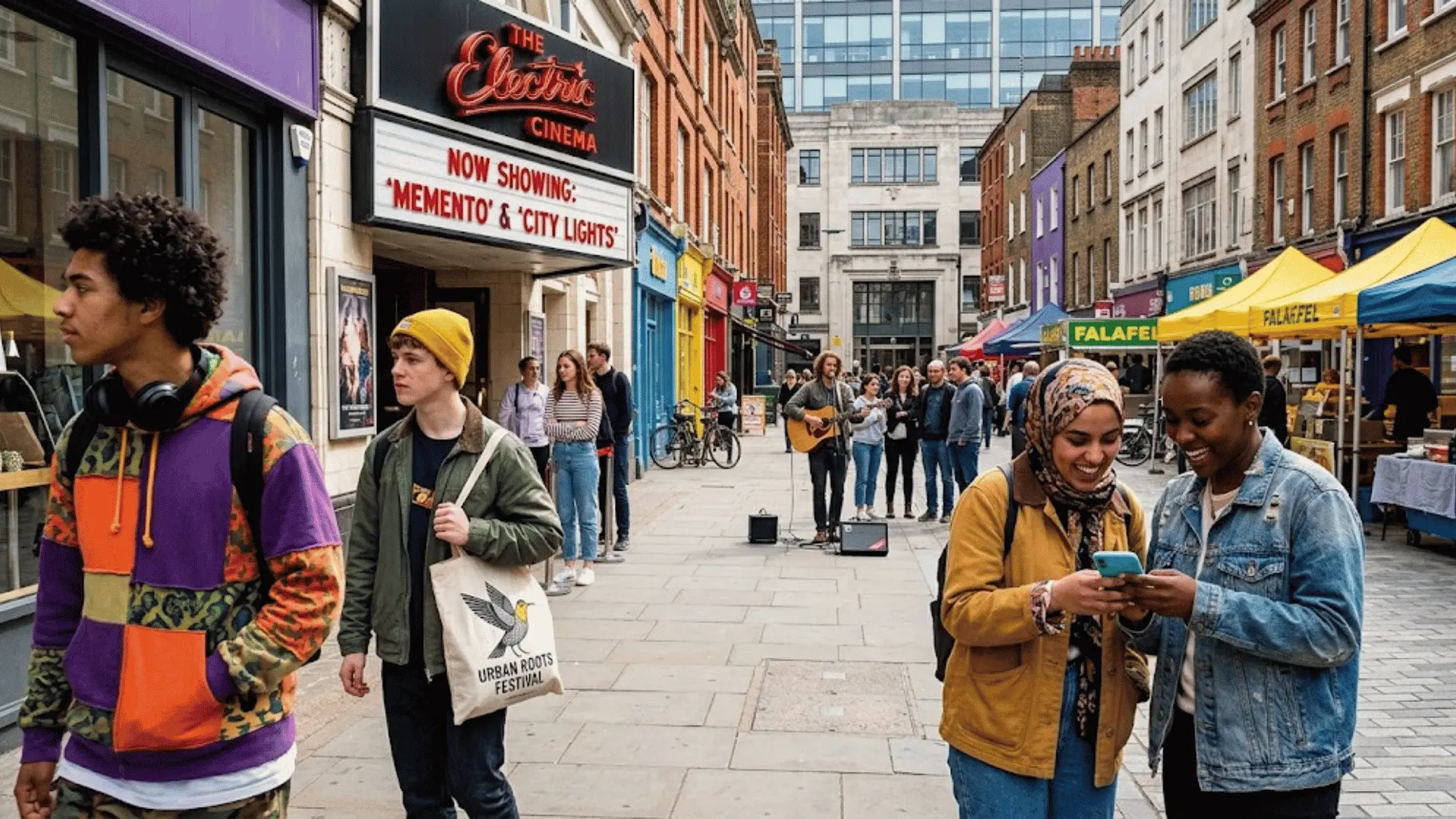
Pop culture does not just exist in a vacuum. It moves, shifts, and shows up differently depending on the moment. A few core characteristics define how it works and why it holds so much influence over everyday life.
1. Mass Appeal
Pop culture is built on the idea that something resonates with a lot of people at once. It is not niche, it is not exclusive, it is designed to travel across different demographics and connect with as wide an audience as possible.
That shared experience is actually a big part of what makes it powerful.
When millions of people are watching the same show or streaming the same album, it creates a cultural moment that feels collective and almost impossible to ignore.
2. Constantly Changing
One of the most defining things about pop culture is how quickly it moves. A meme that dominates your feed today can feel completely dated by next week.
Trends cycle faster than ever now, largely because social media gives new content an instant, global runway.
Technology keeps accelerating this, and what counts as “current” is always shifting, which is also why pop culture feels so alive and in constant conversation with itself.
3. Media-Driven
Pop culture spreads because the media carries it. Television, film, music platforms, and the internet are the channels through which trends find their audience.
Social media has taken this further by collapsing the distance between a cultural moment and its audience.
Something can go from a single post to a global reference point within hours, and that speed is entirely a product of how deeply media is woven into daily life.
4. Accessible to Everyone
Unlike classical art or academic culture, pop culture does not ask anything of you before you engage with it.
There is no prior knowledge required, no learning curve, no gatekeeping. That accessibility is intentional and is actually central to what makes it pop culture in the first place.
Anyone can listen to a chart-topping song, watch a viral video, or follow a fashion trend, and that openness is a large part of why it spreads as effortlessly as it does.
5. Reflects Society
Pop culture acts like a mirror. The music people gravitate toward, the stories that get told on screen, the aesthetics that trend online, all of it reflects what society is feeling, valuing, and grappling with at a given moment.
It captures the mood of a generation in a way that is often more honest than formal media.
And it does not just reflect, it also shapes, influencing how people see themselves, what they aspire to, and how they relate to the world around them.
Examples of Pop Culture
Pop culture shows up in more places than most people realize. It is not just one thing, it is a whole ecosystem of moments, movements, and mediums that feed into each other constantly.
Here is a quick look at where it lives most visibly:
| Category | Examples | Where You See It |
|---|---|---|
| Entertainment | Films, series, celebrity culture | Netflix, theatres, tabloids |
| Music | Viral artists, chart hits, K-pop | Spotify, YouTube, concerts |
| Social Media | Memes, challenges, influencers | Instagram, TikTok, X |
| Fashion & Lifestyle | Clothing trends, beauty aesthetics | Runways, Pinterest, reels |
Types of Pop Culture
Pop culture does not look the same everywhere it lands. Depending on where it originates and how it travels, it takes on very different shapes and meanings.
Understanding the types helps make sense of why some trends feel universal while others feel deeply personal to a specific place or community.
1. Global Pop Culture
Global pop culture is what happens when a trend, artist, or moment transcends borders and resonates across vastly different cultures.
K-pop is one of the clearest examples, originating in South Korea and growing into a worldwide phenomenon with fanbases on every continent. Hollywood films, viral TikTok sounds, and globally streamed shows follow the same pattern.
The internet has made this kind of cultural reach far more common, turning local moments into international conversations almost overnight.
2. Local Pop Culture
Not everything is meant to travel, and that is actually what makes local pop culture so interesting. It is deeply rooted in regional identity, language, and lived experience, which gives it a texture that global trends often lack.
Bollywood in India, telenovelas in Latin America, or the very specific humor of a regional meme page, these are all examples of culture that thrives within a community because it speaks directly to that community.
It may not always go global, but its cultural weight within its own space is significant.
3. Digital Pop Culture
Digital pop culture is its own ecosystem entirely. It lives online and moves at a speed that traditional media simply cannot match.
Memes, gaming communities, stan culture, niche aesthetic movements on Tumblr or Pinterest, all of it forms a kind of parallel cultural world that is constantly generating its own references, language, and trends.
What starts in a Reddit thread or a Discord server can shape mainstream conversation within days, making digital spaces some of the most influential cultural environments right now.
History of Pop Culture
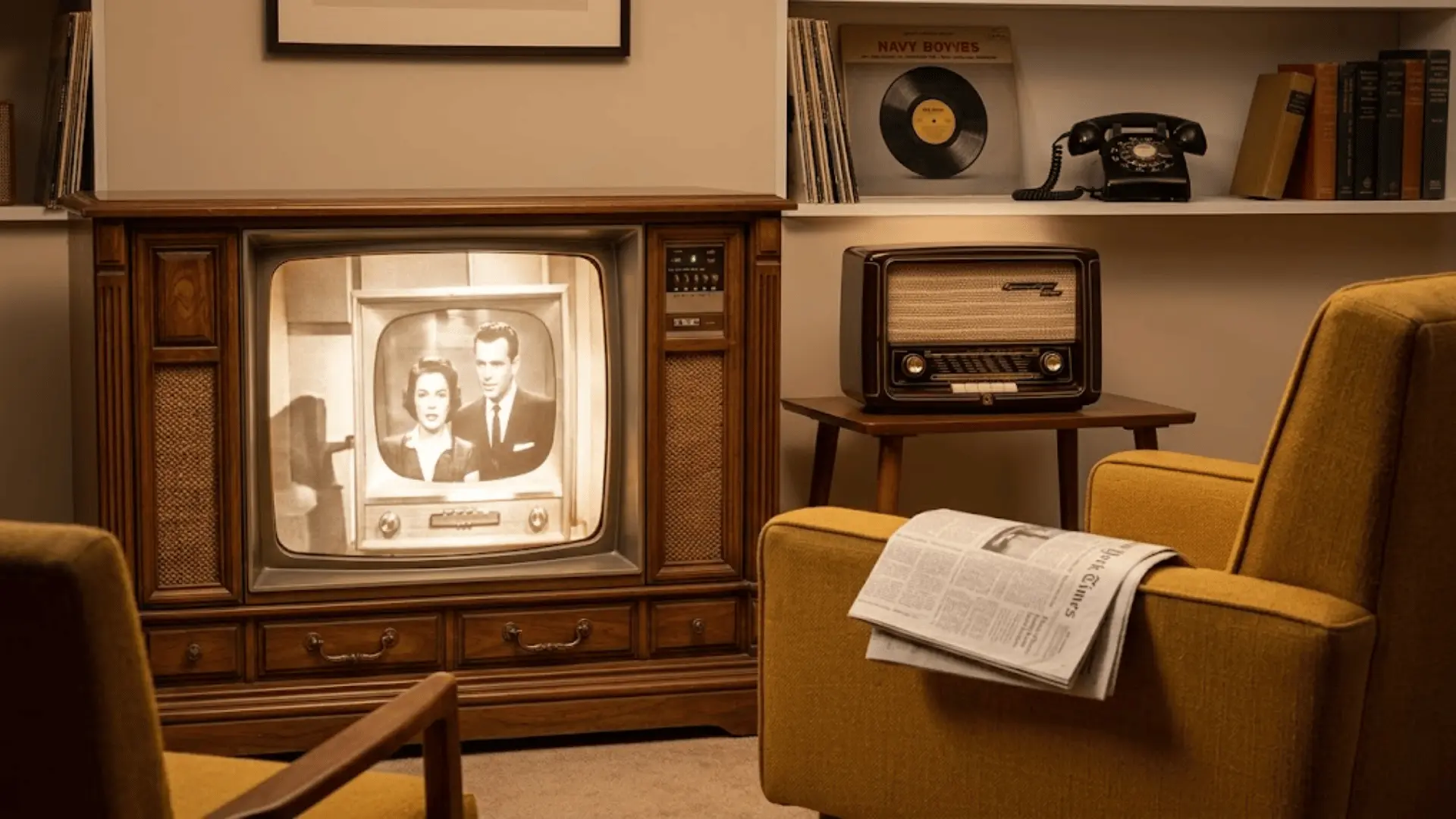
Pop culture has not always looked the way it does today. It grew gradually, shaped by the technologies, events, and social shifts of each era.
What started as a way to describe everyday tastes and mass consumption has evolved into a global force that influences nearly every corner of modern life.
How Pop Culture Evolved Over Time
The term “popular culture” first surfaced in the 19th century, tied closely to the rise of mass production and consumer society.
The 20th century expanded it significantly, with radio, cinema, and television bringing shared cultural experiences into homes for the first time. Post-World War II, it exploded.
The digital era pushed it even further, with social media compressing trend cycles from years into days and giving anyone with an internet connection the ability to shape culture in real time.
Why is Pop Culture Important?
Pop culture carries more weight than it is often given credit for. It shapes how people see themselves and each other, quietly influencing language, behavior, and the values that feel normal within a society.
The slang that enters everyday conversation, the beauty standards that trend online, the narratives that dominate screens, all of it traces back to cultural forces at work.
Beyond identity, it also drives some of the largest industries in the world, from entertainment and fashion to advertising and media, making it as economically significant as it is culturally.
Pop Culture vs. High Culture
Pop culture and high culture are often placed at opposite ends of the cultural spectrum, and while the line between them is blurring more than ever, the core differences are still worth understanding.
| Attribute | Pop Culture | High Culture |
|---|---|---|
| Audience | Mass, mainstream | Niche, elite |
| Primary Focus | Entertainment | Intellectual and artistic expression |
| Pace | Shifts rapidly | Largely timeless |
| Accessibility | Open to everyone | Often requires context or education |
| Examples | Viral trends, blockbusters, pop music | Opera, classical literature, fine art |
Impact of Pop Culture on Society
Pop culture shapes society in ways that go far beyond entertainment. Its influence runs deep, and like most things with that kind of reach, it carries both meaningful benefits and real drawbacks worth acknowledging.
Positive Effects
When pop culture is at its best, it has a genuine ability to connect people across backgrounds and spark something creatively.
A few ways it shows up positively:
- Builds a sense of shared identity across different communities and generations.
- Opens space for diverse voices and underrepresented narratives to reach mainstream audiences.
- Fuels creativity across music, fashion, film, and digital expression.
Negative Effects
The same reach that makes pop culture powerful also makes its downsides harder to ignore.
Some of the more significant concerns include:
- Reinforces consumerism by tying identity and worth to trends and products.
- Perpetuates stereotypes when representation is surface-level or poorly handled.
- Accelerates unrealistic standards around beauty, lifestyle, and success.
Future of Pop Culture
The future of pop culture is already taking shape, and it looks faster, more decentralized, and far more globally connected than anything before it.
AI is beginning to influence how content is created and consumed, blurring the lines between human and machine-made culture.
Globalization is dissolving cultural boundaries, making it easier for a trend born in one corner of the world to resonate everywhere else almost instantly.
And with user-generated content continuing to rise, the power to shape culture is no longer reserved for studios or labels; it is increasingly in the hands of everyday people.
The Credits Never Really Roll on Pop Culture
Pop culture is essentially a living, breathing reflection of who we are at any given moment in time. It captures our obsessions, mirrors our values, and connects us in ways that feel effortless and organic.
Understanding the pop culture definition goes beyond memorizing a textbook answer.
It is about recognizing the invisible thread that runs through the music you love, the content you consume, and the trends you find yourself following.
It is always evolving, and honestly, so are we.
We would love to know what pop culture means to you. Drop your thoughts in the comments below.
Frequently Asked Questions (FAQs)
What is the Simplest Way to Define Pop Culture?
Pop culture is the collection of trends, music, films, and shared experiences that a large mainstream audience connects with at the same time. It is always shifting, always reflective of the moment.
How is Pop Culture Different from High Culture?
Pop culture is built for mass appeal and accessibility, while high culture is rooted in elite artistic or intellectual traditions. The clearest difference lies in who it is made for and how easily anyone can engage with it.
Why Does Pop Culture Change so Quickly?
Social media and digital platforms have drastically accelerated how fast trends emerge, spread, and fade. What once took years to reach a wide audience can now travel globally within hours.
Can Pop Culture Influence Real-World Behavior?
More than most people realize. From the language people adopt to the values they internalize, pop culture quietly shapes identity, lifestyle, and social norms in ways that often go unnoticed.