
Renovation used to mean picking finishes. New countertops, a fresh coat of paint, maybe a kitchen island if the budget allowed. That’s not what’s driving the high end of the market anymore.
Homeowners with budgets to spend are treating renovation as an investment in how a house performs, not how it photographs. The shift is showing up everywhere, from floor plans to kitchens to landscaping, and it’s changing what contractors are being asked to prioritize.
Below is a look at where that money is actually going this year, and why some of the least glamorous upgrades are getting the biggest budgets.
Renovation Priorities Are Shifting From Aesthetic to Functional
A decade ago, a luxury renovation budget went almost entirely toward aesthetic upgrades: marble, custom cabinetry, statement lighting. It’s not that those items have disappeared, but they’re no longer the whole story. Buyers and homeowners now ask how a space works before they ask how it looks.
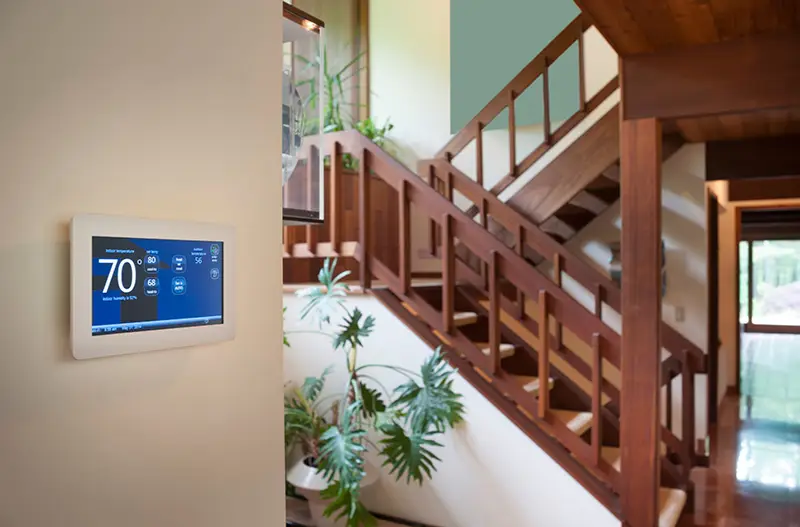
That means better insulation before better tile. It means HVAC zoning before crown molding. Contractors report that clients increasingly want a walkthrough of systems and performance metrics alongside design mockups, something that would have been unusual even five years ago. A kitchen remodel today is as likely to start with a conversation about air quality and ventilation as it is with cabinet finishes.
This functional-first mindset also changes the order projects get tackled in. Structural and mechanical work, the parts nobody sees once drywall goes back up, are getting funded first. Cosmetic layers come after, once the homeowner is confident the bones of the house actually support the lifestyle they’re renovating for.
Smart Systems Are the New Baseline
Automation used to be a novelty feature reserved for tech-forward early adopters. In 2026, it is closer to a baseline expectation in high-end builds. Climate control that learns a household’s patterns, security systems tied into a single app, lighting that adjusts itself through the day: these are showing up in renovation scopes as standard line items rather than upgrades tacked on at the end.
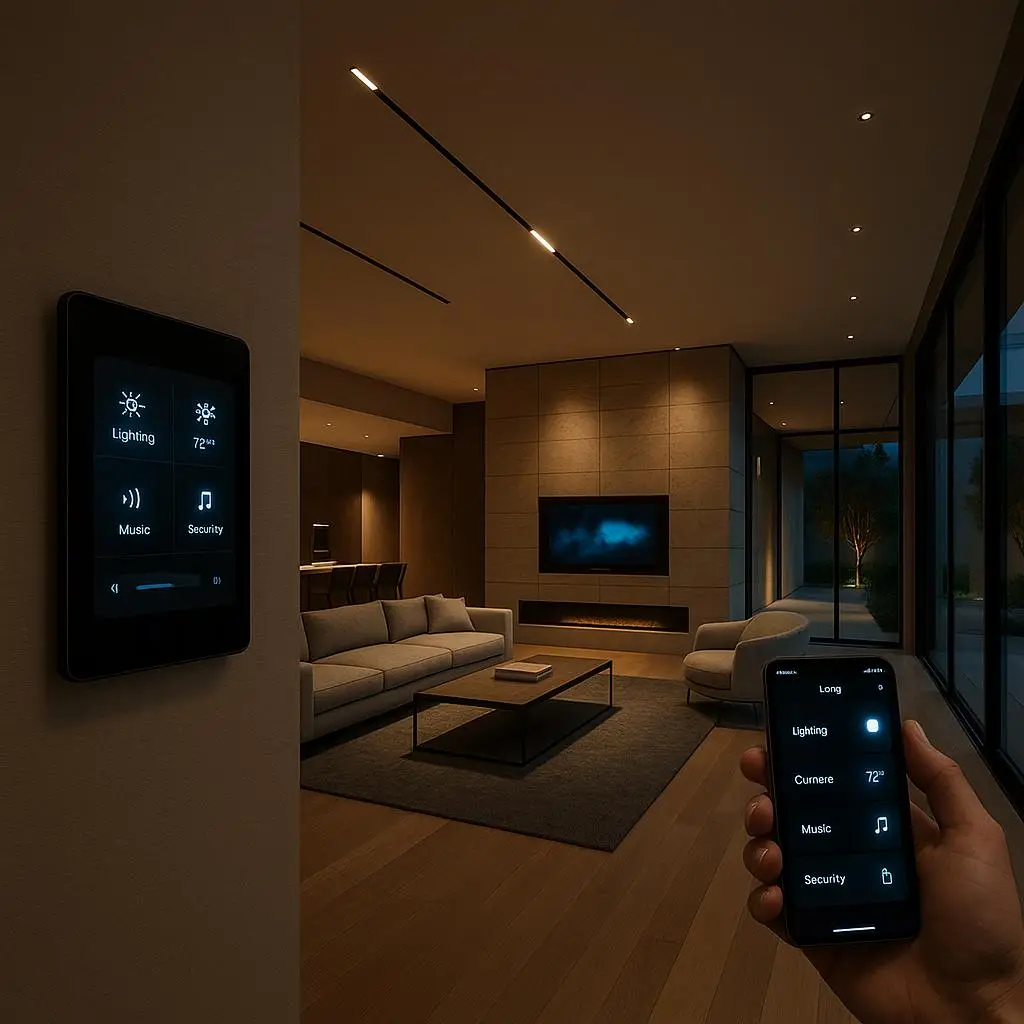
Part of the reason is resale. Buyers shopping in the luxury tier increasingly expect a home to already have these systems in place. A home listed without any smart infrastructure is starting to read the way a home without central air used to, technically livable, but behind.
Gigwise’s own breakdown of 2026 renovation trends makes a similar point: this year’s renovation conversation has moved from pure aesthetics toward wellness and smart-lifestyle features, with automation sitting at the center of that shift. Renovation budgets are being drawn up with these systems built into the base scope rather than priced as add-ons at the end.
The Outdoor Space Has Become Its Own Renovation Category
Maybe the clearest sign of how far this trend has gone: outdoor space is no longer an afterthought tacked onto a renovation budget. It is getting its own line item, planned with the same intent as a kitchen remodel, and often with a comparable price tag.
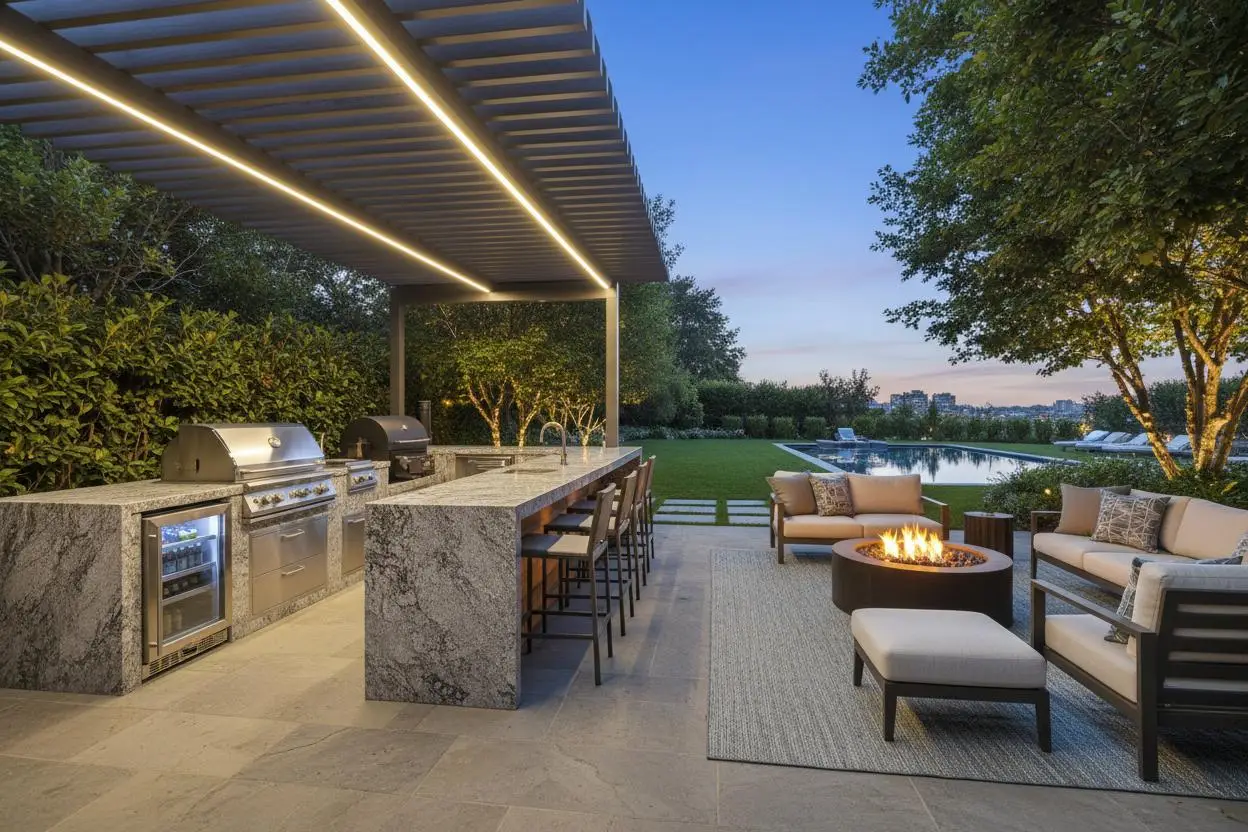
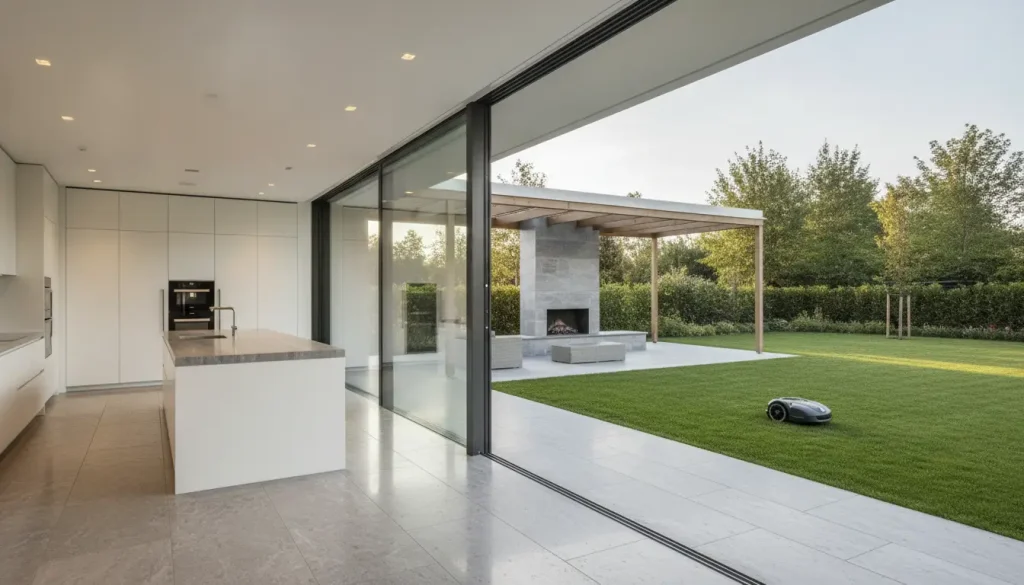
Outdoor kitchens, integrated lighting systems, and covered living areas remain the visible centerpiece. Homeowners are pouring money into pergolas, outdoor fireplaces, and multi-zone patio lighting the same way they’d approach an interior great room.
But the less flashy upgrades are where the real behavior shift is happening. High-end homeowners are automating the parts of yard maintenance that used to eat their weekends, and they’re doing it before they finish the visible landscaping work, not after.
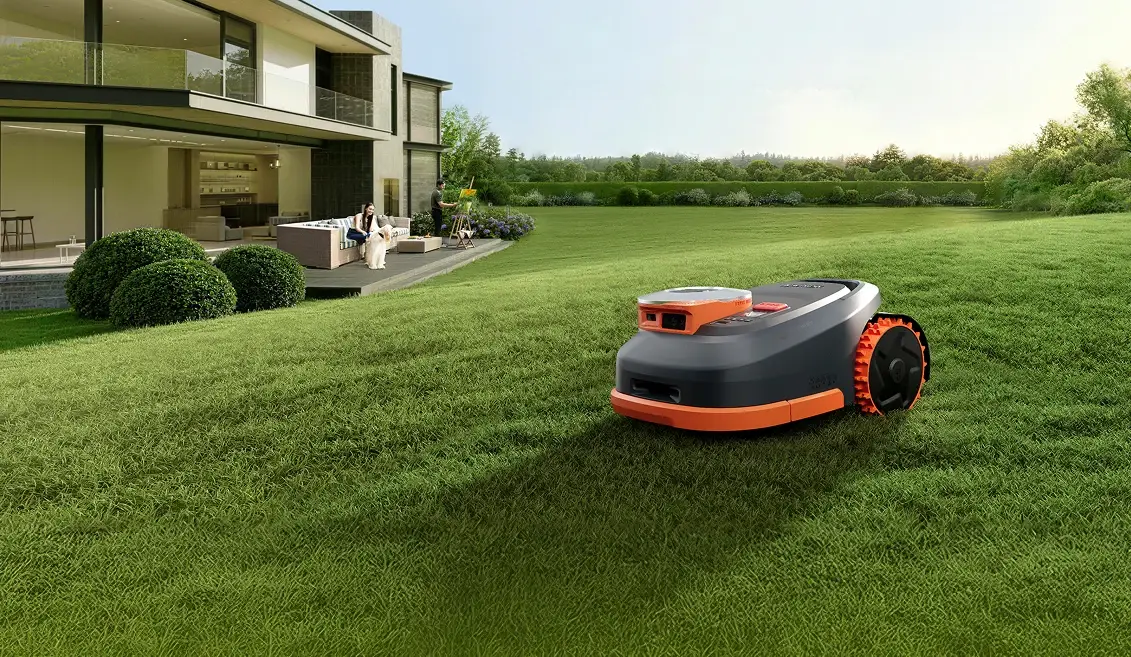
Robotic lawn care is a good example of this pattern. A tool like the Segway Navimow handles mowing on a set schedule without wires or manual pushing, which is exactly the kind of hands-off maintenance homeowners are now budgeting for alongside irrigation systems and outdoor lighting.
You may pair a smart lawn mower with a smart irrigation controller and a zoned lighting system, and the entire yard essentially runs itself. That’s the same logic driving indoor automation, just applied outside the house instead of inside it.
This tracks with something we mentioned in our blog rundown of home improvement upgrades. Even a category as low-tech as synthetic grass has moved toward performance-driven materials designed to cut down on upkeep. The instinct across the entire outdoor renovation category is the same: spend once on a system that removes recurring labor, rather than spending every weekend on manual maintenance that never really ends.
Sustainability Is Now a Value Driver, Not Just a Preference
Energy performance has moved from a nice-to-have to a factor showing up in appraisals. Better building envelopes, water-conscious systems, and materials chosen for longevity rather than just appearance are showing up across renovation budgets, not only in markets with strict building codes.
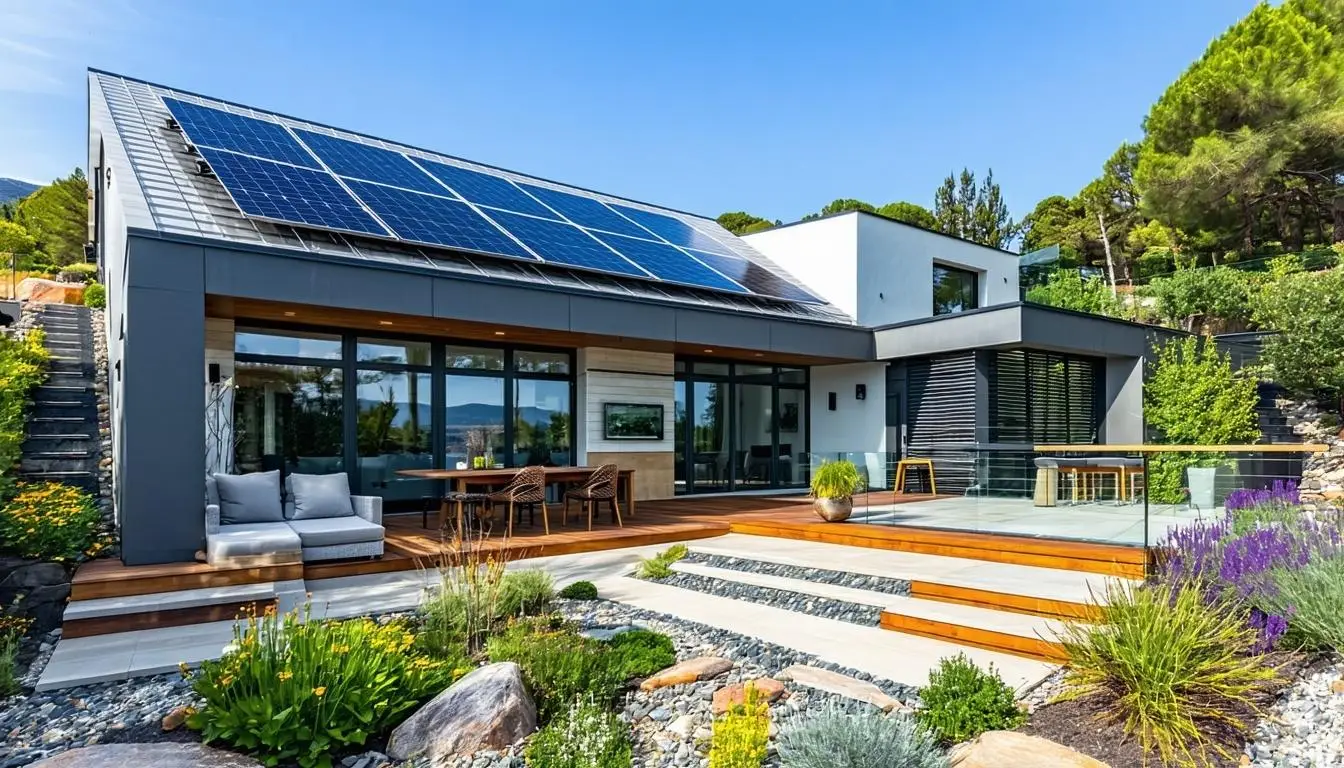
Homeowners are increasingly aware that sustainable choices reduce ongoing costs and hold up better at resale. A well-insulated envelope or an efficient irrigation system may not be a feature buyers get excited about touring, but they’ll notice on the utility bill within the first month of ownership, and that shows up in how a listing gets priced.
Where the Budget Actually Goes
Ask a contractor working in the luxury segment to break down a 2026 renovation budget, and the split looks different than it did even three years ago.
Structural and mechanical work now claims a bigger share upfront: rewiring for smart systems, upgraded HVAC zoning, and envelope improvements that used to get deferred until something failed. Kitchens and bathrooms still command significant spend, but increasingly on function first, better ventilation, water filtration, heated flooring, with aesthetic finishes layered on afterward rather than driving the plan.
Outdoor spend has grown to rival interior renovation budgets in a way that would have surprised homeowners a few years back. It’s no longer unusual for a backyard renovation, landscaping, automation, lighting, and structural additions like pergolas or outdoor kitchens combined, to approach the cost of a kitchen remodel. That reallocation reflects how much more time people are spending in outdoor living areas, and how unwilling they are to spend that time on upkeep.
What It Means for Resale
Appraisers and buyers are both paying closer attention to systems, not just surfaces. A home with automated climate control, low-maintenance outdoor space, and efficient materials is easier to sell and easier to justify at a premium price, because the next owner isn’t inheriting a list of deferred maintenance projects disguised behind fresh paint.