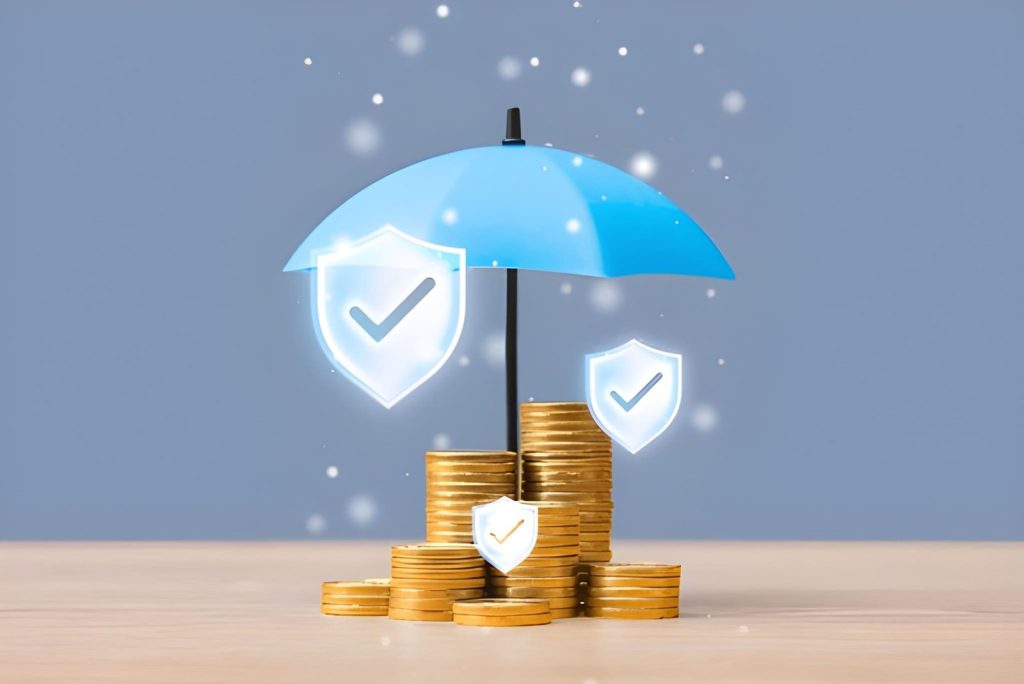
Financial durability describes the capacity to pay for unplanned costs, including surgical procedures, vehicle malfunctions or periods without a salary. Savings accounts are essential for stability but they represent only a single part of preparation. True financial durability is the ability to handle unpredictable events, modify behaviors for new situations and keep a consistent budget during hardships.
This process is a result of careful organization, reliable spending patterns and an awareness of how choices impact future safety. Moving beyond simple savings allows workers and homeowners to create a base that provides for current requirements and future objectives.
Supervising Debt & Monetary Commitments
Owed money impacts how well a borrower survives sudden challenges. Loan recipients with high monthly installments or credit card interest have less freedom when salaries decrease or costs grow. Even with cash reserves, a household is under strain if a large portion of earnings belongs to creditors. Managing these obligations through on time payments and focusing on high interest balances reduces vulnerability and increases available monthly cash.
Lower debt levels allow for more effective responses to change. As an example, a person with few loans adjusts spending more easily after a layoff. Paying off balances and avoiding new borrowing improves flexibility over time. Instead of only gathering cash, residents should monitor how their total debt affects their stability.
Varying Sources of Earnings
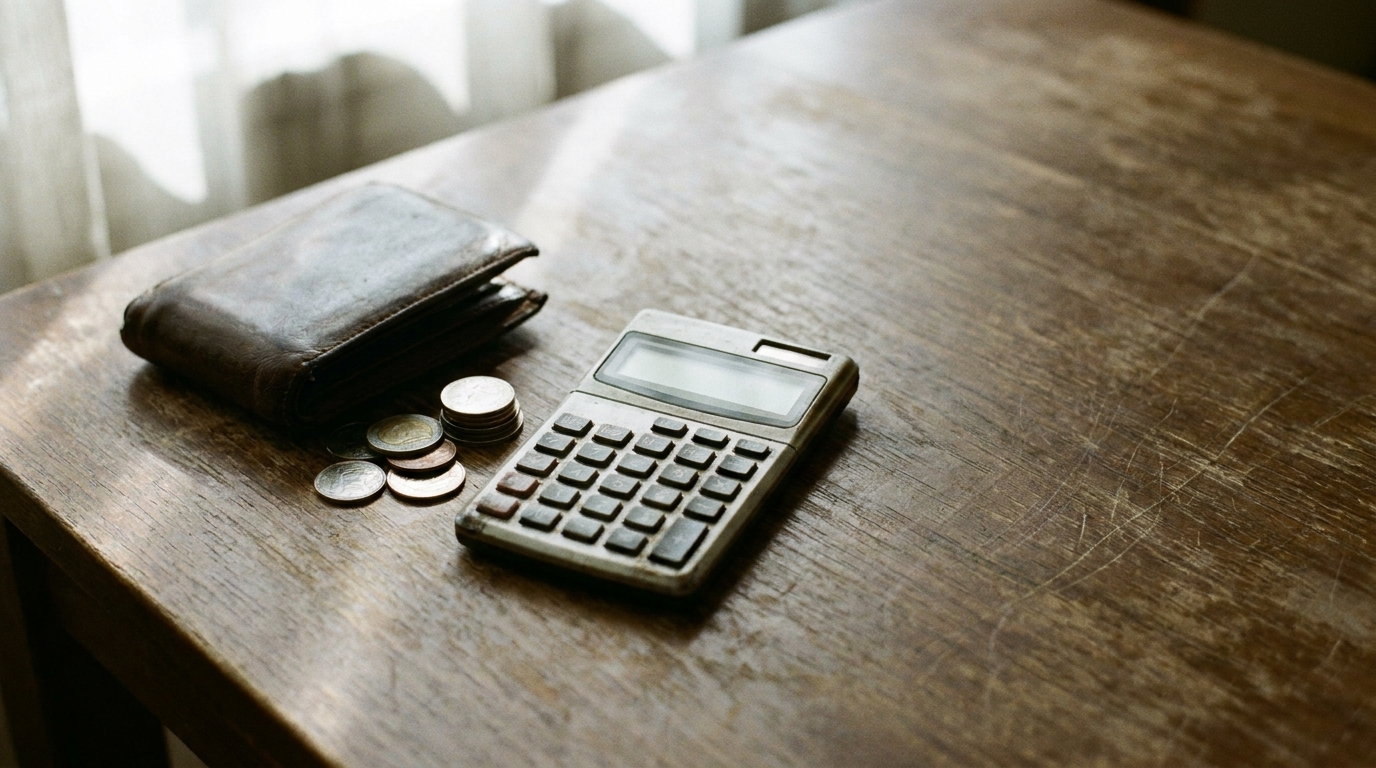
Reliance on a single employer creates risk when job conditions shift. Reductions in working hours or industry changes prevent a household from paying for regular necessities. Creating extra ways to earn money provides protection – these methods include contract tasks, part time roles or property rentals. Improving professional skills also creates more chances for different work.
Differentiation of income is not always about working many jobs. It is often about earning better certifications, keeping professional contacts and watching the job market. Such actions make moving to a new role easier. Having multiple ways to generate funds reduces the need for one specific employer and increases confidence during economic shifts.
Securing Assets & Physical Well-being
Difficulties are not always caused by the economy – Injuries, diseases and property accidents create high costs that savings might not cover. Correct insurance policies protect against losses that might destroy years of effort. Disability and property insurance, along with term life insurance Canada, serve specific needs based on a person’s family and property. Checking these policies regularly ensures that no dangers are ignored.
Physical health is also a factor in durability – Illnesses lower the ability to work and increase costs. Keeping active, attending medical checkups and knowing healthcare options helps manage the risks. While insurance and health habits do not remove all danger, they lower the cost of accidents and keep property safe.
Developing Flexible Spending Patterns
Durability is the ability to change spending when life changes. A written budget shows where money goes and which costs are necessary – those who check their spending find unnecessary costs and fix problems before they grow – this habit is useful when prices for food or housing rise.
Being flexible is also about preparing for known events – Upkeep for a house, replacing a car and retirement are part of a long term strategy – these are not emergencies but they cause stress if ignored. Setting money aside for these known costs allows a household to meet duties without using credit.
Organizing for Future Safety
Resilience is a result of looking forward instead of only at today. Retirement funds and investments help build resources for independence. Although markets change, using different types of investments helps manage risk. It is also important to consider how rising prices lower what money can buy over time.
Plans should match the specific age, salary and family duties of the individual. Checking investments and savings targets ensures the strategy stays correct. Life changes often – plans must be flexible to fit new duties.
Conclusion
Building durability is the act of creating a base that survives change. Savings are helpful but managing debt, finding new income, holding insurance and planning for the future are also vital. By focusing on these areas, homeowners and workers are ready for challenges. Stability is the result of keeping the resources and habits needed to protect a budget through all stages of life.