Motor wattage, top speed, and advertised range tend to get most of the attention when people shop for their first e-bike. Yet the way an e-bike delivers power often has a greater impact on the everyday riding experience.
An electric bike may use pedal assist, a throttle, or a combination of both. Neither is inherently the better or more advanced option. They simply provide power in different ways. Understanding those differences can help riders choose a control system that fits their routes, energy needs, and riding habits.
How Pedal Assist and Throttle Work
Pedal assist requires the rider to begin pedaling before the motor provides support. A sensor detects the rider’s input and signals the motor to add power, making starts, headwinds, and moderate hills easier without removing the rider from the pedaling experience.
Not all pedal-assist systems respond the same way. A cadence sensor primarily detects whether the pedals are turning, while a torque sensor responds to how hard the rider is pressing on the pedals. As a result, two e-bikes labeled “pedal assist” can feel noticeably different when starting, accelerating, and maintaining speed.
A throttle allows the rider to call on motor power directly through a handlebar-mounted control. Where local rules permit, the motor can provide assistance even when the rider is not pedaling. Common designs include thumb throttles and twist throttles, each with a different feel, placement, and method of controlling power.
How They Feel When Starting From a Stop
Starting from a complete stop is where the difference between the two systems becomes most noticeable.
With pedal assist, the rider usually needs to turn the pedals before the system recognizes the movement and activates the motor. If the system has a slight delay, or the rider is starting on an incline, near a narrow exit, or along a route with frequent stops, getting moving may require more coordination.
A throttle can provide power immediately, which can be useful at traffic lights, stop signs, and the bottom of short hills. However, having a throttle does not eliminate the need for careful control. Abrupt power delivery, an awkward control position, or unfamiliar sensitivity can make a bike harder to start smoothly.
When comparing an electric bike with throttle, riders should focus on how precisely the throttle can deliver a small amount of power, not simply how quickly the bike accelerates. A thumb throttle lets the rider control power with the thumb while maintaining a secure grip on the handlebar. A twist throttle offers a larger control surface but may be easier to activate unintentionally while moving the bike or adjusting hand position. The better choice depends on the rider’s hand size and comfort with the control.
How Throttle and Pedal Assist Affect Range
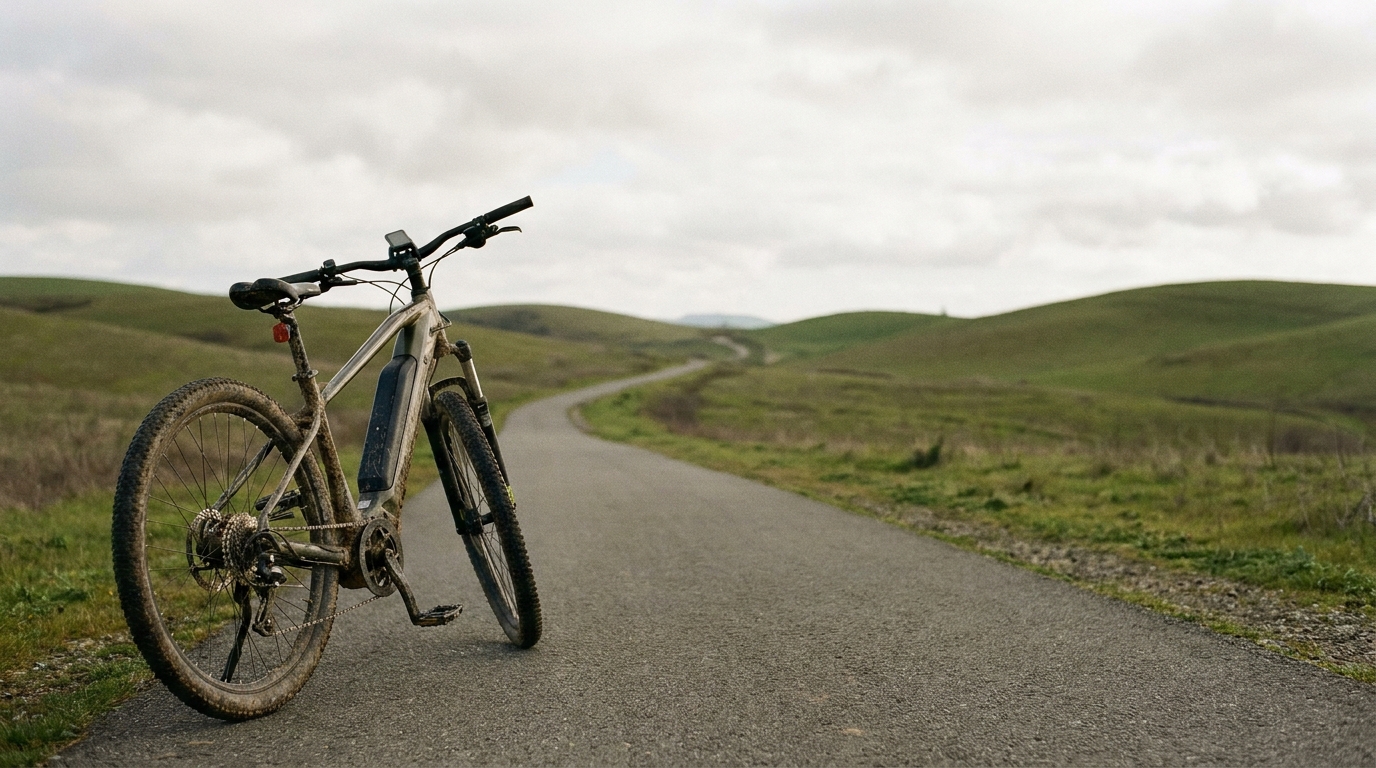
Under similar conditions, relying heavily on the throttle will generally use more battery power because the motor is doing a larger share of the work. With pedal assist, the rider and motor contribute together, so using a lower assist level and maintaining a steady pedaling rhythm can often extend the distance available from a charge.
That does not make range completely predictable. Speed, hills, headwinds, tire pressure, rider and cargo weight, repeated acceleration, and battery condition all affect energy use. A rider who stays in the highest pedal-assist setting and travels at higher speeds may still drain the battery quickly.
A more useful approach is to test different control patterns on the same familiar route. Riders can compare battery use while riding mainly in low pedal assist, mixing pedal assist with occasional throttle input, and relying more heavily on the throttle. Those results provide a more realistic guide than the maximum range shown on a product page.
Which Control Style Works Better for Everyday Riding?
Riders who regularly encounter stop signs, intersections, and short inclines may value the immediate response of a throttle. It does not need to become the primary way of powering the bike. Many riders use it only to get rolling or to add a brief amount of power when needed.
For longer routes with fewer stops, pedal assist often feels more natural. It preserves the rhythm of riding a conventional bicycle while reducing the effort required to maintain speed or handle demanding sections of the route.
For riders whose routes change from day to day, having both systems offers greater flexibility. They can pedal with a low level of assistance on open roads, then use brief throttle input when starting, riding into a headwind, or approaching a moderate hill. The goal is not to choose one system and use it exclusively, but to understand when each one is most useful.
What to Check Before You Buy
During a test ride, try starting from a stop, making a slow turn, riding in the lowest assist setting, and applying only a small amount of throttle. Power should build in a way that matches the rider’s input rather than arriving unexpectedly. The motor should also stop contributing promptly when the rider releases the throttle, stops pedaling, applies the brakes, or reaches the system’s configured limit.
Bike fit, braking response, throttle placement, and clearly labeled assist levels also matter. Under the three-class system commonly used in the United States, a Class 2 e-bike may use a throttle to propel the bike, with motor assistance ending at 20 mph. Rules governing rider age, throttle use, and permitted riding areas can still vary by state and locality. Buyers should also look for an electrical system evaluated to an applicable standard such as UL 2849 instead of comparing motor numbers alone.
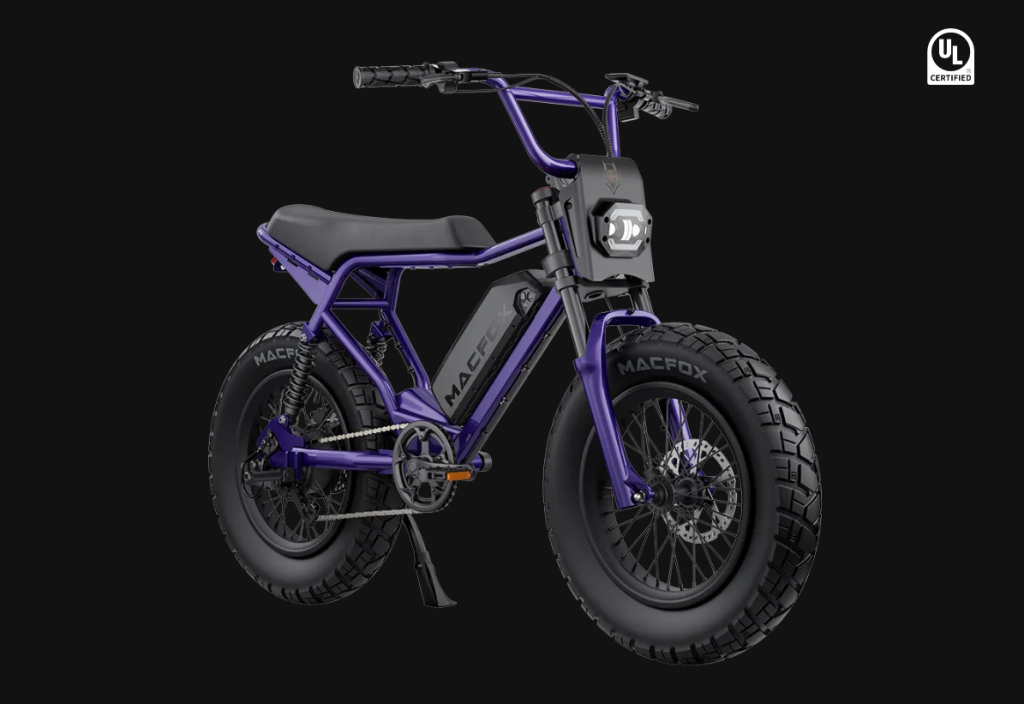
The Macfox X1S provides one practical example. It combines pedal assist with a position-adjustable thumb throttle and is configured as a Class 2 e-bike with a 20 mph assisted top speed. The purpose of that setup is not simply to go faster. It gives riders the option to pedal normally on open stretches and apply more deliberate thumb-controlled power during frequent starts. Bike fit, throttle response, route conditions, and local rules should still determine whether the configuration is suitable for an individual rider.
There is no universal winner between throttle and pedal assist. The right system should make starts predictable, power delivery manageable, and everyday riding feel natural. Understanding the demands of the route and testing the controls in person will usually reveal more than a list of specifications.