Ever walked into a room and wondered why it feels so much more expensive than yours, even when the furniture isn’t anything special? More often than you’d think, the difference is right there on the walls.
A little texture goes a long way in making a space feel warmer, more inviting, and properly put together.
What I find fascinating is how much wallpaper can change the whole character of a room without any real renovation work.
Textured wallpaper brings something flat paint usually can’t: depth, a bit of movement, and a surface that shifts as the light changes through the day.
And you don’t need a huge decorating budget to pull off that polished look at home.
What Makes Wallpaper Look More Expensive?
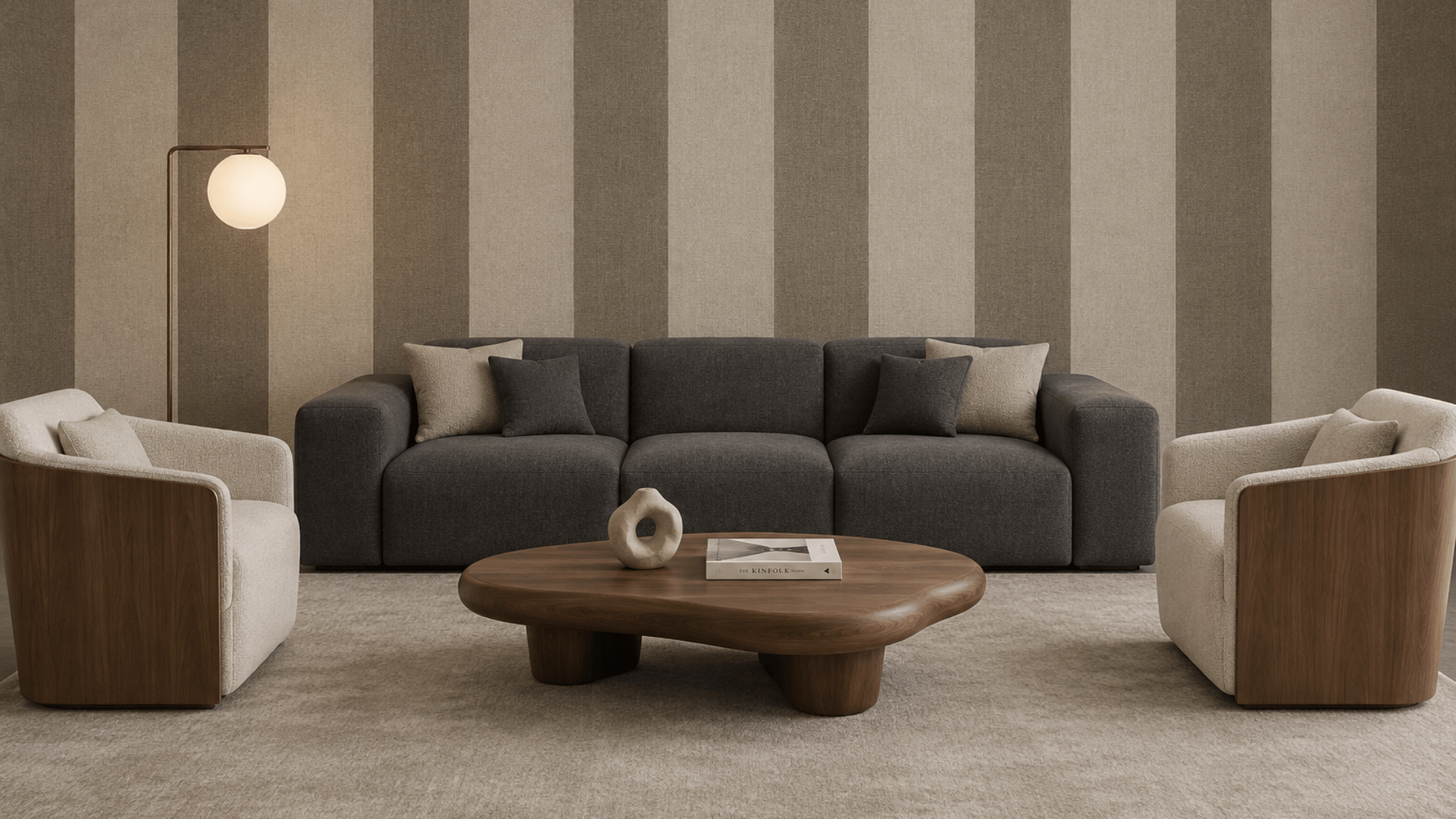
Textured wallpaper looks luxurious because it adds depth, warmth, and small details that make even a simple room feel considered and polished.
1. It Adds Depth and Dimension
Raised and woven surfaces catch tiny shadows and highlights, so the wall never looks completely flat.
That’s why a plain beige or cream can look so much richer on a linen-weave paper than it does in paint.
There’s something about it that almost makes you want to reach out and touch the wall.
2. It Changes With the Light
Textured wallpaper never looks quite the same from morning to evening. Daylight picks out the raised details, and warm lamps later in the day soften everything for a cozier feel.
Metallic finishes bounce light around the room, while matte textures stay quieter and more understated.
3. It Creates a Richer, More Layered Interior
Paint gives you a smooth, clean backdrop. Textured wallpaper adds one more layer to the room.
Put a linen-look wall behind wooden furniture or soft upholstery, and the room starts to feel finished without a single extra accessory.
6 Wallpaper Styles That Add Depth and Character
There’s a lot of variety here, from soft woven finishes to bold raised patterns. The right pick depends on the mood you’re going for and what’s already in the room.
1. Linen Texture Wallpaper for Subtle Sophistication
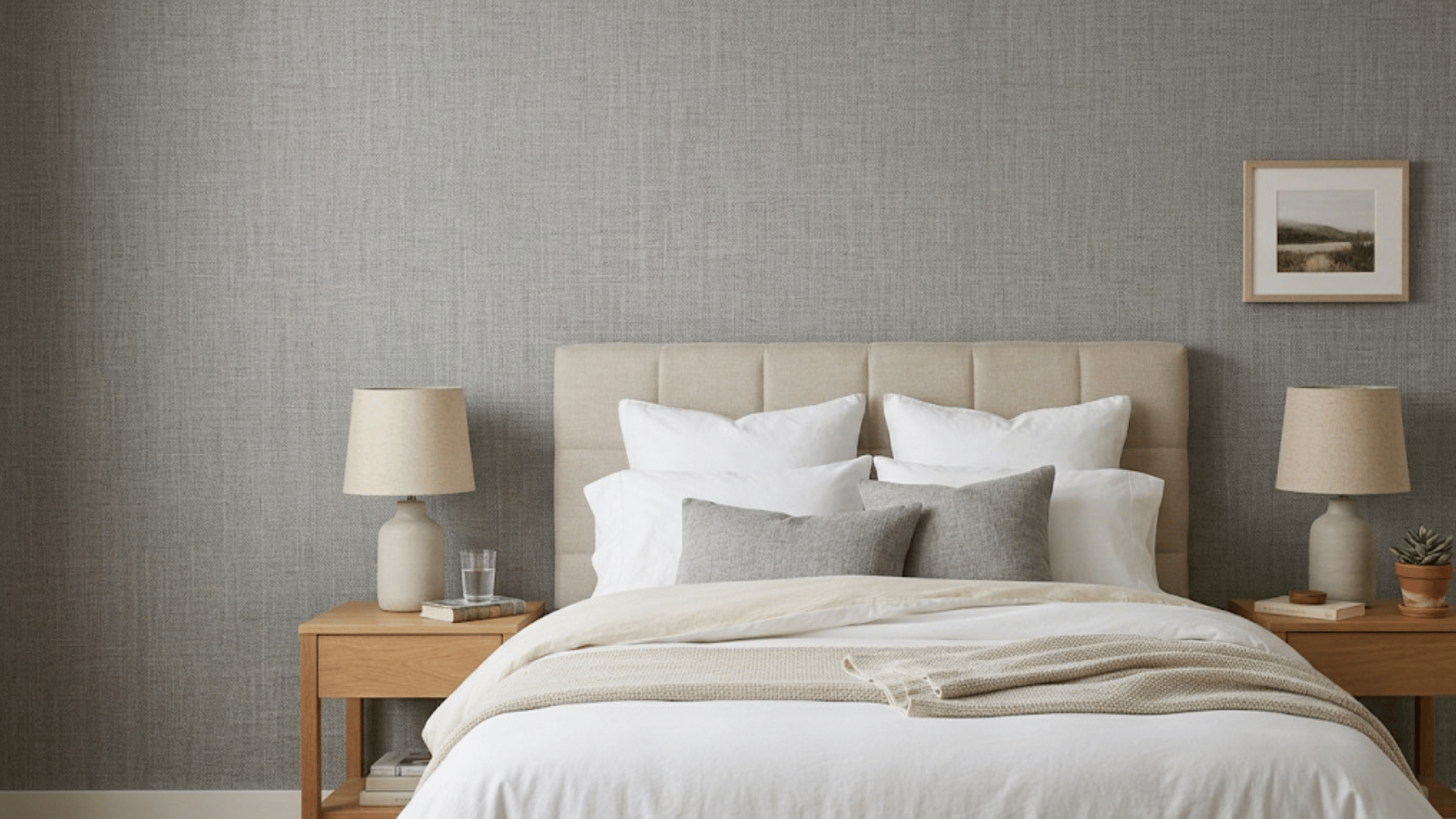
Linen texture wallpaper has a soft, fabric-inspired finish with fine woven details. It’s a natural fit for bedrooms, living rooms, and home offices, basically anywhere you want things to feel calm.
In ivory, oatmeal, or warm beige, it pairs beautifully with wood and gives that quiet, understated kind of luxury.
If I had to pick one style that’s hard to get wrong, it would be this one.
2. Grasscloth and Natural-Fiber Wallpaper
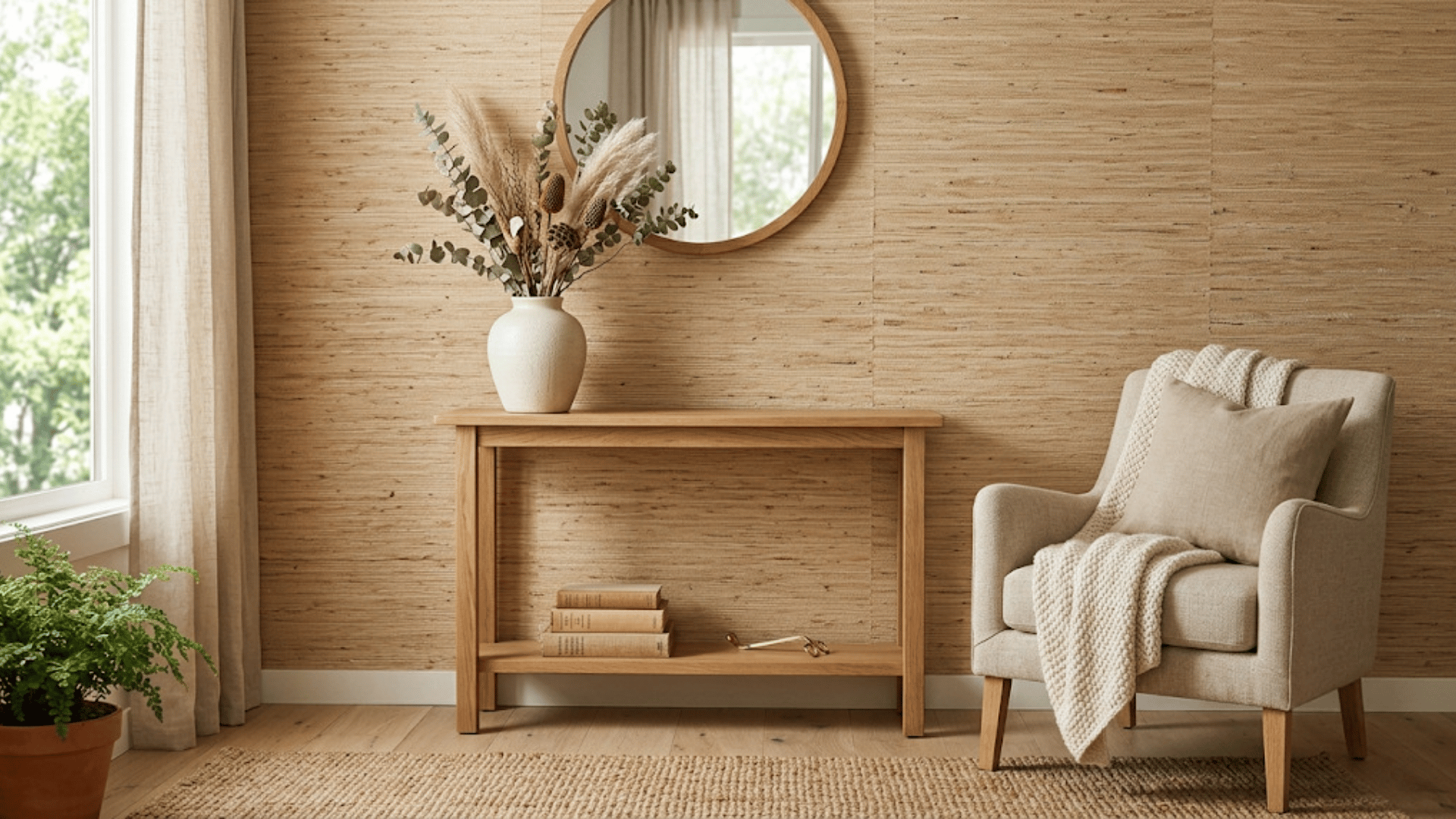
Grasscloth is made from natural fibers like grass and reeds, so no two sections look exactly alike. Those small shifts in color and texture are a big part of its organic charm.
It looks lovely in living rooms and dining rooms, especially alongside wood and stone. Just keep it away from bathrooms and other damp spots, since natural grasscloth stains easily.
3. Embossed and Sculpted Wallpaper
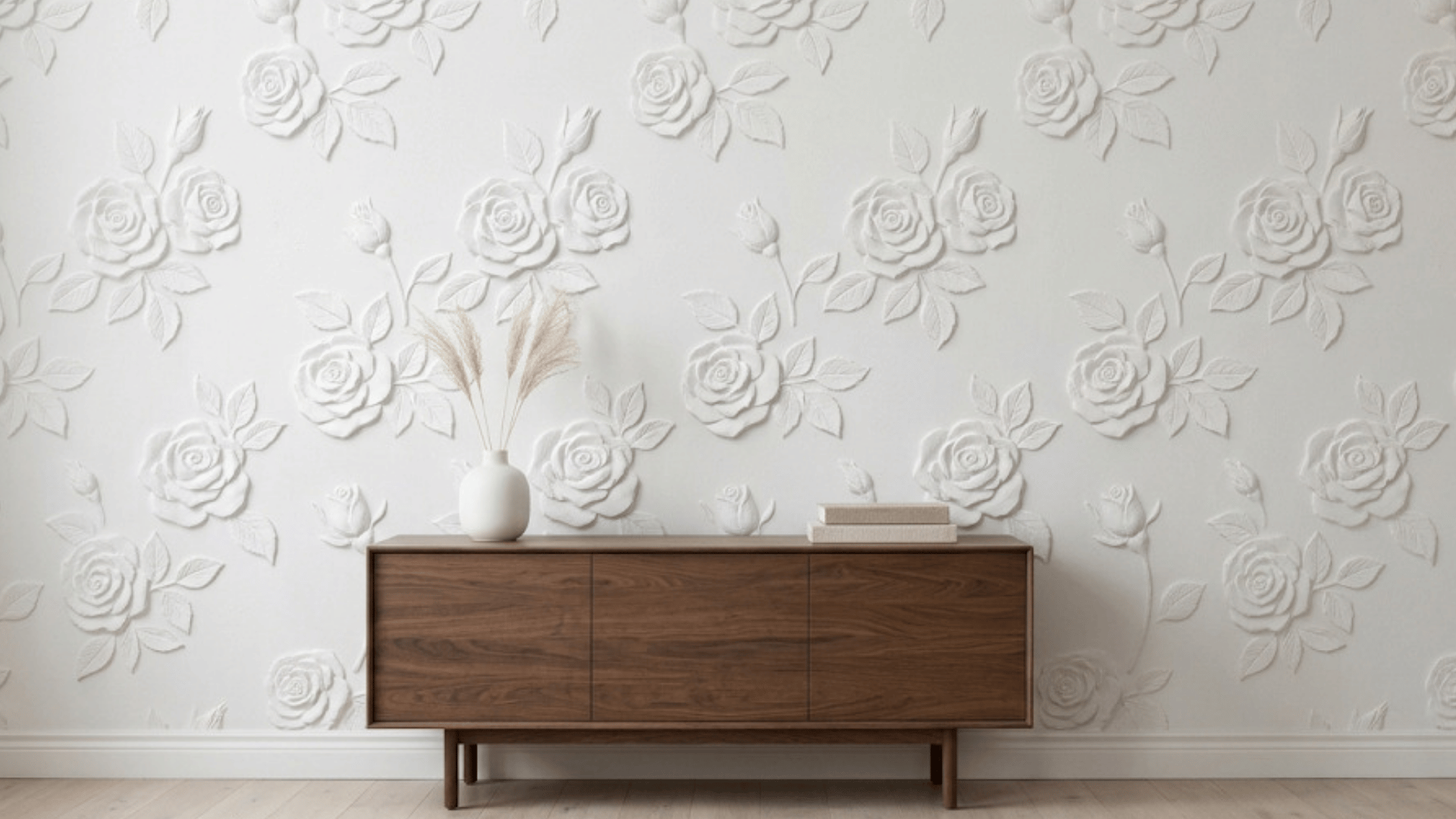
Embossed wallpaper has raised patterns that play with light and shadow to create a three-dimensional effect.
Damask designs suit more traditional rooms, while sculpted waves and abstract shapes feel right at home in contemporary spaces.
Even in a single color, it can turn an accent wall into the main event.
4. Metallic and Shimmer Finishes
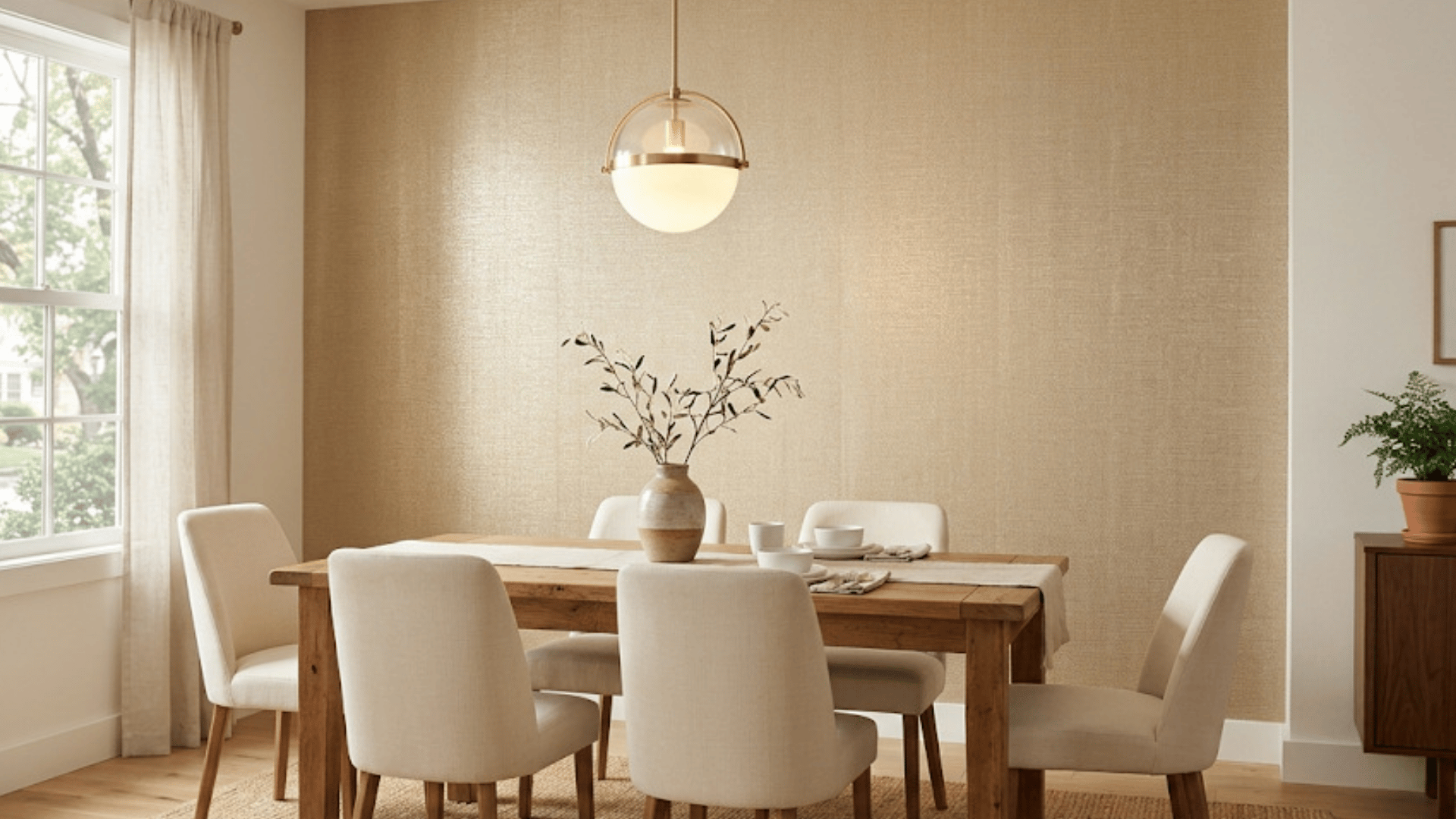
Champagne gold, silver, and bronze finishes reflect light and give a room a soft, gentle glow.
It works particularly well in dining rooms and formal living spaces. The trick is restraint.
A subtle metallic detail or one feature wall looks elegant, while a whole room of shimmer can quickly feel like too much.
5. Cute Floral Wallpapers for a Softer Designer Look
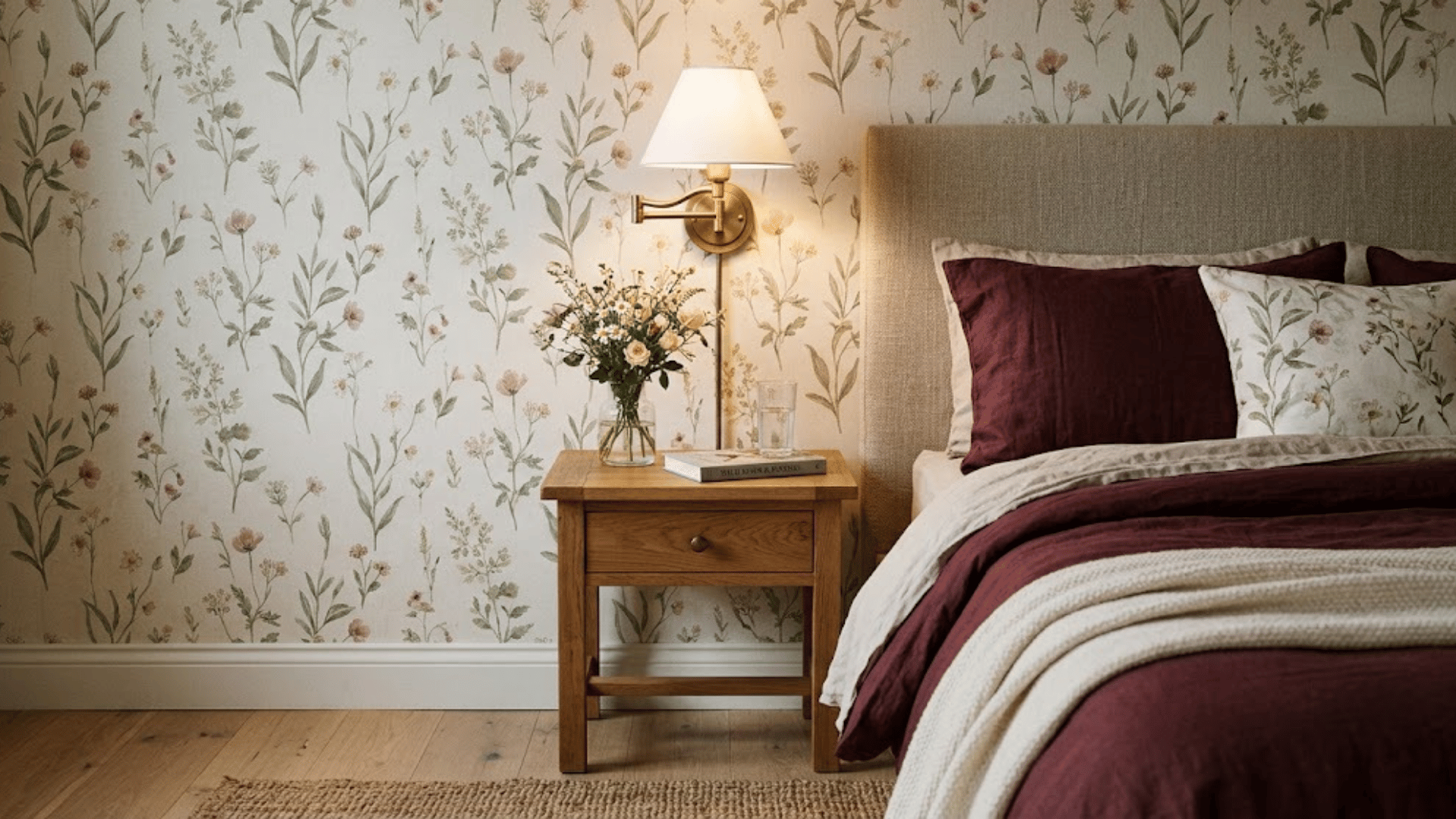
Florals sometimes get a reputation for looking dated, yet cute floral wallpapers can bring a lot of personality and softness to a room when they’re chosen well.
Small, delicate prints suit bedrooms and nurseries, while oversized botanicals make a beautiful statement in an entryway or on an accent wall.
Stick to muted shades like sage green, dusty pink, and cream on a good matte or fabric-like finish, and the look stays fresh and refined.
6. Subtle Geometric Textures
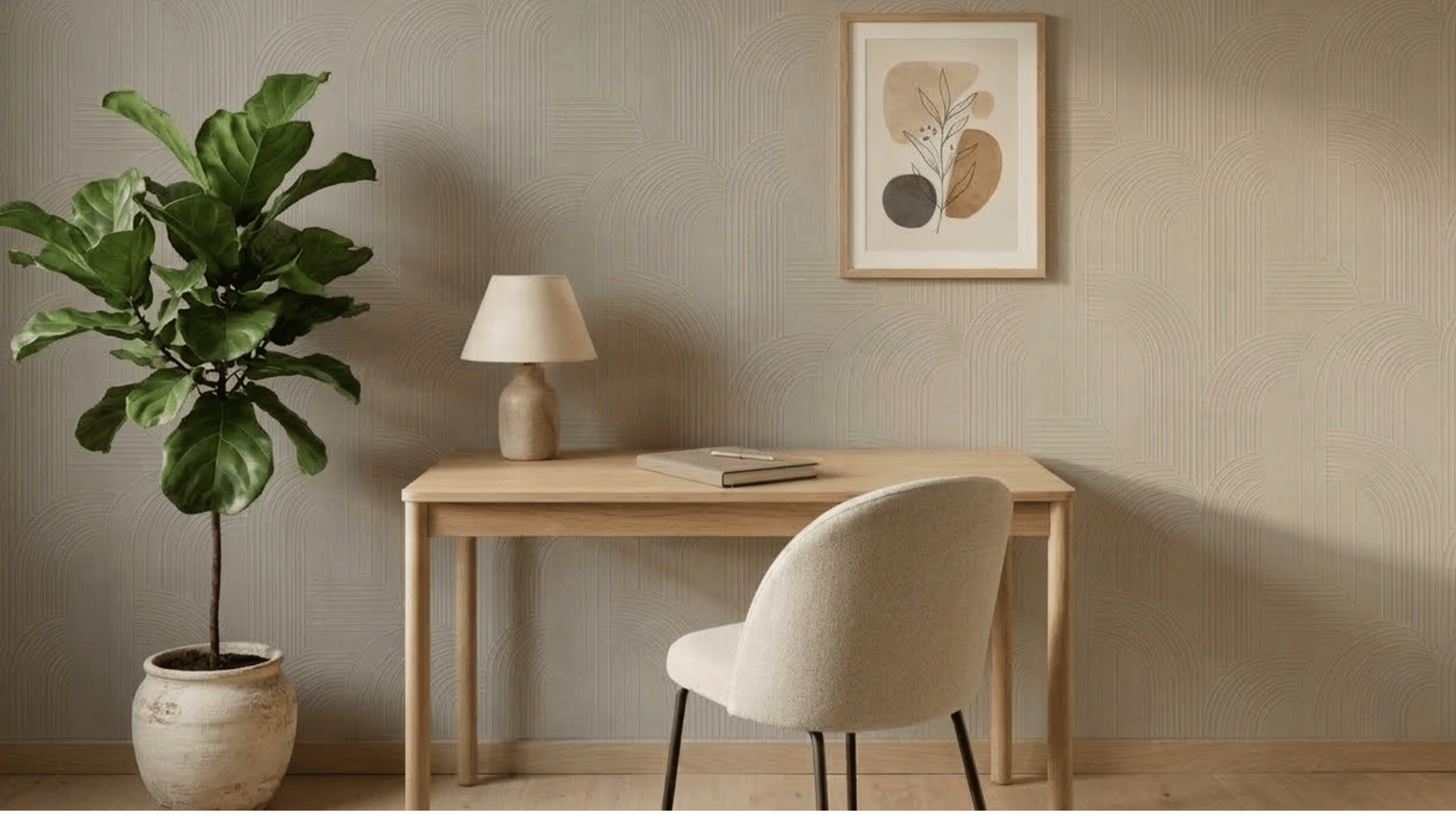
Geometric textured wallpaper brings a clean, structured feel to modern and minimalist interiors.
Fine lines, soft arches, and raised shapes give the wall an almost architectural quality without looking busy. Tone-on-tone designs are especially appealing because the pattern reveals itself slowly as the light moves.
They work well with simple furniture, neutral colors, and contemporary lighting.
How to Choose A Wallpaper for Each Room
Every room does a different job, so the best texture for your bedroom might not be the best one for your dining room.
1. Living Room
Linen and grasscloth keep a living room warm and relaxed while still looking polished. Subtle geometrics suit modern interiors, while restrained botanical designs bring a softer touch.
If you’re only doing one wall, the one behind the sofa makes an easy, natural focal point.
2. Bedroom
The bedroom is where soft linen textures, fabric-like finishes, and delicate florals really shine.
Warm beige, muted green, and blush pink all look lovely with an upholstered headboard and soft bedding, and none of them make the room feel busy.
3. Dining Room
Dining rooms can handle a little more drama. Embossed patterns add depth, geometric textures create structure, and metallic finishes reflect light beautifully.
A subtle champagne or bronze paper looks especially good under a warm pendant light at dinnertime.
4. Entryway
Since it’s the first thing people see, the entryway is a great spot for bold textures, sculpted patterns, or a carefully chosen floral.
In a small entry, a lighter background with a medium-scale pattern adds personality without closing the space in.
5. Home Office
In a home office, you want something interesting enough to look at but calm enough that it won’t pull your focus.
Subtle linen and woven textures hit that balance well. Soft gray, beige, and muted olive work nicely with desks and shelving, and they still look professional in the background of a video call.
How to Balance Wallpaper With Furniture and Decor
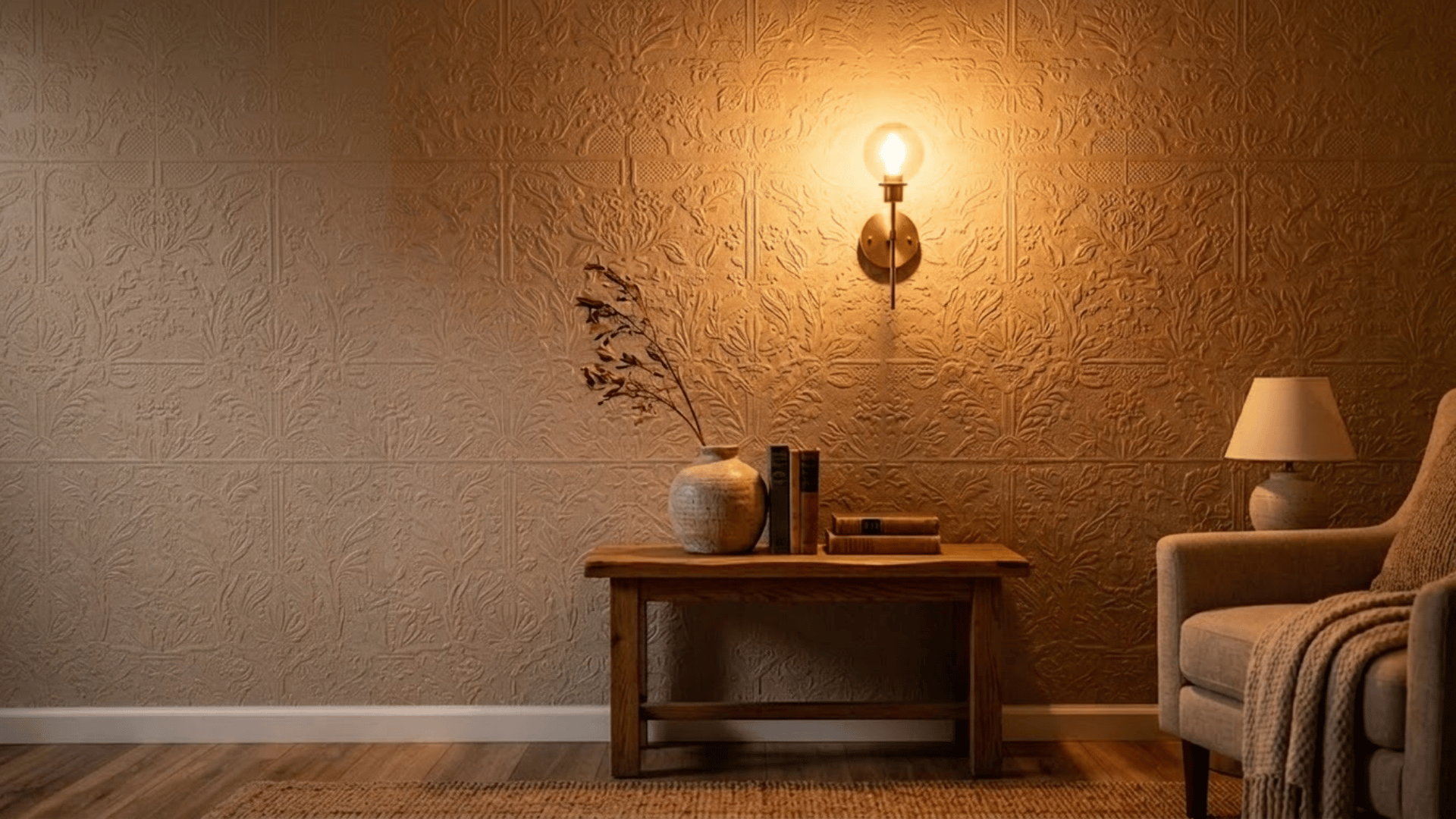
It’s easy to get carried away once you start, so a little balance helps. These simple rules keep things polished.
- Keep furniture simple: Let a statement wall be the star by pairing it with clean-lined sofas, simple tables, and understated decor.
- Avoid too many patterns: With bold florals or geometrics on the wall, keep curtains, rugs, and upholstery fairly plain.
- Choose the right pattern scale: Fine textures suit smaller rooms, while larger patterns need a big wall to really show off.
- Match colors and undertones: Warm beige textures look best next to creamy whites and natural wood, while cool grays sit better with cooler finishes.
- Pick an accent wall or full coverage: Bold designs usually look best on a single feature wall, but a subtle linen texture can wrap a whole room without feeling heavy.
- Use lighting thoughtfully: Soft wall lights flatter texture, while harsh directional light tends to show off seams and any unevenness underneath.
Can Textured Wallpaper Hide Wall Imperfections?
Yes, to a point. Textured wallpaper is good at disguising small flaws, but it won’t fix real damage. How well it works depends on how thick and textured the paper is and what shape the wall is in.
1. Minor Imperfections It Can Conceal
Thicker embossed wallpaper can make small scratches, slight bumps, and uneven paint finishes less noticeable.
The raised pattern draws the eye away from them. Thinner linen-look or metallic papers are less forgiving and may still show what’s underneath.
2. Problems It Cannot Fix
Structural cracks, deep dents, loose plaster, and seriously uneven walls need repairing first, because no wallpaper will cover them up.
The same goes for moisture damage, damp patches, and mold. Papering over them can trap the problem and make it worse.
3. Why Proper Wall Preparation Still Matters
Even thick wallpaper needs a clean, dry, and smooth surface to stick properly. Fill holes, sand rough spots, scrape off loose paint, and apply a suitable primer.
It’s not the fun part, but it’s what prevents visible bumps and peeling edges later. If you’ve chosen a delicate or pricey finish, paying a professional to hang it is often worth it.
Wallpaper vs. Paint: Cost, Appearance, and Maintenance
Both can make a room look expensive. They just get there in very different ways. Here’s a side-by-side look.
|
Feature |
Textured Wallpaper |
Paint |
|---|---|---|
|
Depth and Visual Interest |
Adds texture, shadows, and patterns |
Offers a smooth, clean finish |
|
Design Flexibility |
Woven, floral, geometric, and embossed styles |
Wide range of colors and finishes |
|
Installation |
Requires careful preparation and alignment |
Easier to apply and touch up |
|
Maintenance |
Depends on material and washability |
Generally easier to clean or repaint |
|
Durability |
Can last for years with proper care |
Long-lasting but may need touch-ups |
|
Wall Imperfections |
Thicker textures can hide minor flaws |
Often reveals uneven surfaces |
|
Overall Aesthetic |
Rich, layered, and decorative |
Clean, modern, or classic |
Go for textured wallpaper when you want the walls themselves to be a design feature. Paint makes more sense if you prefer simple finishes, easy upkeep, or changing colors often.
Honestly, neither one looks expensive by default. A good finish and careful application matter far more than which one you pick.
How Natural and Artificial Light Affect Wall Finishes
Lighting can make or break textured wallpaper. Here’s how different types of light work with different finishes.
- Natural Daylight: Sunlight shows off true colors and surface details, while softer, overcast daylight makes woven textures look gentler.
- Warm Lighting: Table lamps and wall sconces bring out the warmth in beige, cream, and taupe papers, which is perfect for cozy evenings.
- Directional Lighting: Spotlights and wall-grazing lights make raised patterns pop, but they’ll also highlight seams or uneven patches, so careful installation really counts here.
- Accent Lighting: Soft light aimed at a feature wall draws attention to the texture without overpowering the rest of the room.
- Different Textures: Metallic finishes reflect light for a gentle shimmer, while matte linen and grasscloth absorb and scatter it for a softer look.
Is Textured Wallpaper Still in Style in 2026?
Yes, textured wallpaper is very much in style in 2026. Today’s designs lean toward natural materials, subtle patterns, and finishes that add depth without overwhelming a room.
ELLE Decor’s 2026 wallpaper trend report points the same way, with designers favoring surfaces that feel grounded and tactile, which is exactly where natural textures like grasscloth fit in.
You’ll see a lot of linen, woven, and plaster-look textures in soft neutrals like oatmeal, taupe, and warm white. Contemporary geometrics with fine lines and sculpted details add a modern touch, while delicate florals and muted botanical prints bring softer character.
Compared with the heavy, glossy patterns many of us remember from older homes, today’s options are far more varied, ranging from understated weaves to bold three-dimensional designs. Even traditional damask and floral patterns can feel fresh when paired with simpler furniture and contemporary colors.
What to Check Before Choosing a Wallpaper Design
You don’t have to spend a fortune for wallpaper to look expensive. Getting the texture, color, and pattern right does most of the work.
- Consider room size: Fine linen textures suit smaller rooms, while larger spaces can carry bolder embossed or geometric designs.
- Match existing furniture: If your upholstery is already patterned or your furniture is quite decorative, go for a subtle texture. Simpler rooms can take something more noticeable.
- Check different lighting: Colors and textures can look surprisingly different in daylight and in the evening, so check both before deciding.
- Choose the right pattern scale: Small patterns work on compact walls, while oversized florals and geometrics need room to show off the full design.
- Coordinate undertones: Warm beige and cream wallpapers complement warm wood tones, while cooler grays pair well with cooler finishes.
- Find the right style: Linen texture wallpaper creates a soft look, natural grasscloth adds warmth, geometrics suit modern interiors, and cute floral wallpaper brings a delicate decorative touch.
- Order samples first: Tape samples to the actual wall and look at them next to your furniture and flooring at different times of day. It’s the easiest way to avoid an expensive mistake.
Is Wallpaper a Worthwhile Investment for Your Home?
Yes, if you want to add depth and character to a room without replacing furniture or taking on a renovation, textured wallpaper is well worth considering. It works especially well in living rooms, bedrooms, and on accent walls, where texture instantly makes things look more polished.
That said, it takes more prep to install than paint, and how easy it is to look after depends on the material.
Washable vinyl finishes are generally easier to clean, while natural grasscloth needs gentler care. Well-made wallpaper can last for years if it’s hung and cared for properly, though delicate finishes may start to show wear in busy spots like hallways.
Paint may be the better option if you’re on a tight budget, prefer frequent color changes, or want easier touch-ups. In the end, it comes down to the look you’re after, how much upkeep you’re happy with, and what makes sense long term.
Conclusion
A beautiful room doesn’t always need expensive furniture or a complete makeover. Sometimes all it takes is a little texture on the walls.
Textured wallpaper can add warmth, depth, and personality in ways that make even a simple space feel thoughtfully decorated.
I especially love how a soft linen finish can make a bedroom feel instantly cozier, and how a floral or geometric pattern can give a plain room some real character.
The key is getting the balance right between texture, color, lighting, and placement.
Choose something that genuinely suits your home rather than something that just looks pricey, and it’ll always feel more polished.