

A major renovation naturally draws attention toward the exciting decisions: new flooring‚ better lighting‚ redesigned rooms‚ updated kitchens‚ and finishes that completely change how a property feels.
But before those visible improvements begin‚ it is worth looking carefully at the smaller defects already present in the building. Minor problems that seem easy to ignore can become much more expensive once new materials are installed around them.
Drainage issues‚ cracked sealant‚ loose exterior fixtures‚ deteriorating weatherstripping‚ and aluminum door repair are all examples of work that may be better handled before decorative improvements begin.
Fixing these details early reduces the chance that contractors will later need to disturb newly finished walls‚ floors‚ trim‚ or exterior surfaces just to reach an older problem that was already there.
Start With Anything Involving Water
Water problems should usually move to the top of the pre-renovation list because moisture can damage both old and new materials.
A small roof leak‚ poorly sealed window‚ dripping pipe‚ or downspout that empties too close to the foundation may not look dramatic during dry weather. Once renovation work covers the area with new drywall‚ flooring‚ cabinetry‚ or insulation‚ however‚ the same problem can become much harder to reach.
Before construction starts‚ check for:
- Water Stains on ceilings and walls
- Damp Areas in basements or crawl spaces
- Cracked Sealant around exterior openings
- Gutters That Overflow during rain
- Downspouts Discharging beside the foundation
- Slow Plumbing Leaks beneath sinks and appliances
- Soft Or Swollen trim around windows and exterior walls
The cause should be corrected before damaged surfaces are covered. Fresh paint is not a moisture solution.
Inspect the Building Envelope
The exterior shell of a building affects comfort‚ energy use‚ and the durability of interior finishes.
Gaps around windows‚ damaged flashing‚ failed caulk‚ and deteriorated weatherstripping can allow moisture and outside air into the structure. These defects may become particularly noticeable after an energy-efficiency renovation‚ when other parts of the building become more airtight.
Exterior inspection should happen before scaffolding‚ landscaping‚ siding work‚ or new interior finishes make access more complicated.
Pay particular attention to transitions between materials. Roof edges‚ window surrounds‚ thresholds‚ utility penetrations‚ and places where siding meets masonry are common weak points.
Small gaps are easier to correct while the project is still in the preparation stage.
Look for Movement Before Installing New Finishes
Cracks and uneven surfaces do not always mean there is a serious structural problem‚ but they should be understood before expensive finishes are installed.
A recurring drywall crack‚ uneven floor‚ sticking window‚ or shifting frame may indicate normal settlement‚ seasonal movement‚ or something that deserves professional assessment.
Simply covering the evidence can create frustration when the same crack appears through new paint six months later.
Photograph existing conditions and note whether cracks seem old‚ stable‚ or recently changing. Where movement is uncertain‚ an appropriate professional can determine whether further investigation is needed.
Renovation provides an opportunity to address these issues while surfaces are already being opened.
Check Doors‚ Windows‚ and Openings
Openings are useful indicators of building condition because they depend on accurate alignment.
A door that begins rubbing‚ a window that will not close evenly‚ or a lock that only works when the frame is pushed can reveal movement that may affect surrounding finishes.
Check every frequently used opening before renovation begins.
Look for:
- Uneven Gaps around frames
- Loose Hinges and hardware
- Damaged Thresholds
- Cracked Or Missing weather seals
- Windows That Bind or refuse to lock
- Visible Rot or corrosion near lower frame sections
These problems are often easier to address before new flooring changes clearances or fresh trim is installed around the opening.
Review Electrical Problems Early
Renovations often add lighting‚ outlets‚ appliances‚ entertainment systems‚ and smart-home equipment. Existing electrical issues should therefore be identified before the new design is finalized.
Flickering lights‚ warm outlets‚ frequently tripped breakers‚ buzzing switches‚ and damaged receptacles should not be treated as cosmetic annoyances.
The electrical panel should also be reviewed if the renovation will add significant demand.
Running new wiring is much easier while walls or ceilings are already open. Discovering insufficient capacity after everything has been painted and finished can create unnecessary demolition.
Electrical work should be handled by qualified professionals where required.
Do Not Ignore Drainage Outside
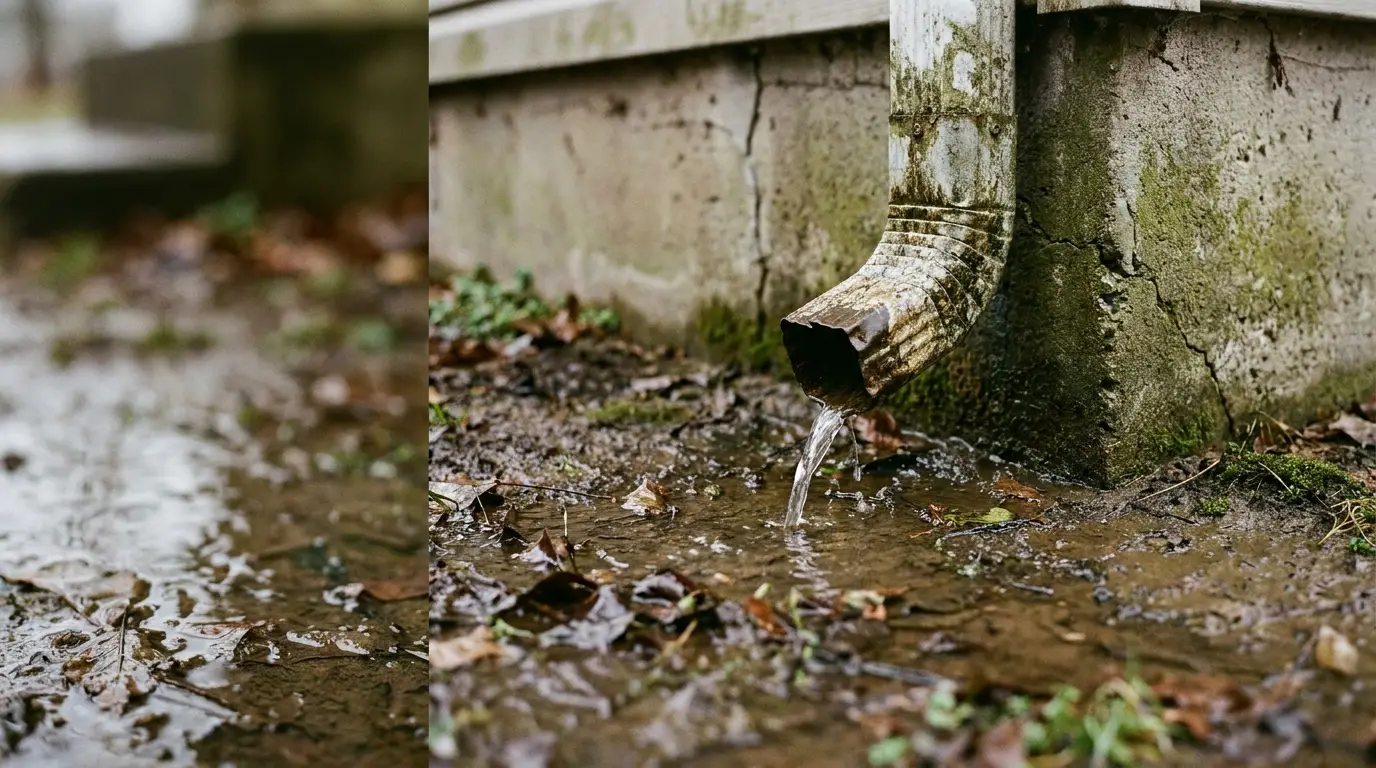
Beautiful interior work can be undermined by poor water management outside the building.
Grading should generally direct water away from the structure. Gutters and downspouts should carry roof water toward suitable drainage areas rather than allowing it to collect beside foundation walls.
Patios‚ walkways‚ and landscaping changes planned as part of the renovation should also be reviewed carefully. Raising soil or paving too close to exterior walls can interfere with drainage and create moisture problems that were not present before.
A renovation is the right time to think about how rain actually moves across the site‚ not just how the finished landscaping will look.
Fix Loose Exterior Components
Exterior fixtures can appear minor compared with the scale of a large renovation‚ but loose components can damage surrounding surfaces if they are ignored.
Check:
- Railings
- Exterior Lights
- House Numbers
- Gutters
- Downspouts
- Shutters
- Vents
- Canopies
- Trim Pieces
A loose fixture may allow water behind siding or create movement that damages new paint.
It also makes little sense to carefully repaint an exterior and then drill into the finished surface to correct an old mounting problem that could have been handled beforehand.
Check Ventilation and Airflow
Renovation frequently changes how air moves through a building.
New windows‚ additional insulation‚ altered room layouts‚ and upgraded HVAC equipment can all affect ventilation.
Bathroom and kitchen exhaust systems should be checked to make sure they discharge properly. Dryer vents should remain clear and correctly routed. Mechanical equipment should have the airflow and access required by its design.
Moisture and odour problems are much harder to correct after cabinetry‚ ceilings‚ and decorative finishes are completed.
If the renovation includes major energy-efficiency work‚ ventilation planning becomes even more important because a tighter building may behave differently from the older‚ leakier version.
Inspect Floors Before Covering Them
New flooring can hide old problems very effectively-which is exactly why the subfloor should be checked first.
Loose boards‚ movement‚ water staining‚ rot‚ damaged concrete‚ and significant unevenness should be corrected before new material is installed.
Flooring manufacturers often specify acceptable tolerances for flatness and moisture. Ignoring those requirements may lead to gaps‚ movement‚ squeaks‚ cracked tiles‚ or premature failure.
Removing existing flooring also provides an opportunity to inspect areas that have been hidden for years.
A little additional preparation at this stage can protect a much larger investment in the finished surface.
Resolve Pest Entry Points
Small openings around pipes‚ vents‚ foundations‚ and rooflines can provide access for insects and rodents.
Renovation sometimes disturbs established nesting areas‚ which can move pests into other parts of the property.
Before closing walls and ceilings‚ check for droppings‚ damaged insulation‚ nesting material‚ and suspicious openings.
The objective is not simply to remove pests but to identify how they entered. Sealing access points before new finishes are completed is much easier than reopening the building later.
Plan Access for Future Maintenance
Renovation should solve current problems without creating new maintenance headaches.
Important valves‚ cleanouts‚ electrical junctions‚ mechanical equipment‚ filters‚ and inspection points need to remain accessible.
A seamless wall or built-in cabinet may look attractive‚ but permanently covering something that will eventually require servicing is rarely a good trade.
Removable panels and discreet access doors can preserve the design while keeping essential systems reachable.
The same principle applies to equipment. Water heaters‚ HVAC components‚ and appliances need adequate clearance for maintenance and eventual removal.
Create a Pre-Renovation Defect List
A simple walkthrough before contractors begin can prevent many avoidable surprises.
Photograph each issue and divide the list into categories:
- Safety Problems
- Water And Moisture Issues
- Structural Or Movement Concerns
- Electrical And Mechanical Work
- Exterior Maintenance
- Cosmetic Defects
The first categories should be resolved before decorative improvements receive attention.
It is also helpful to share the list with the main contractor. Some defects may affect the renovation sequence‚ while others can be incorporated efficiently into work that is already planned.
Fix the Building Before Dressing It Up
A successful renovation is not only about what gets added. It is also about making sure the existing building is ready to receive those improvements. Small defects are easier to tolerate when everything around them is old. Once thousands of dollars have been invested in new surfaces‚ cabinetry‚ fixtures‚ and finishes‚ the same problems become far more frustrating.
Dealing with moisture‚ drainage‚ loose components‚ alignment‚ ventilation‚ and hidden maintenance issues first creates a stronger foundation for the renovation. The finished project is then less likely to require unnecessary disruption later-and the visible improvements have a better chance of staying beautiful for years.