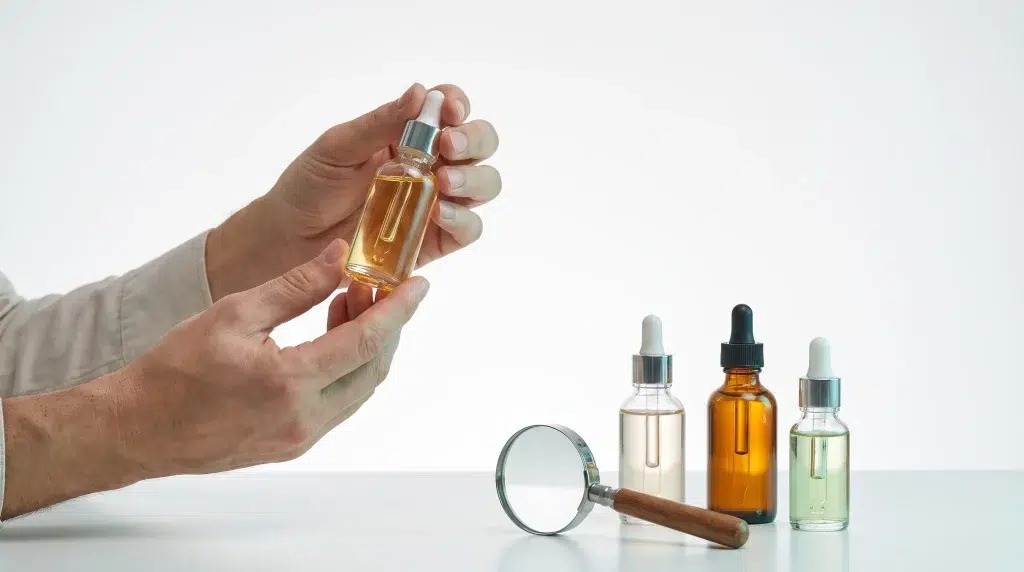


Squalane has become one of the most talked-about ingredients in skincare over the last few years, appearing in everything from lightweight serums to rich overnight creams.
Unlike some trend-driven skincare ingredients, squalane is valued largely because of how well it works with the skin’s natural moisture barrier.
The skin naturally produces a lipid called squalene, which helps keep the surface soft, balanced, and moisturized. Over time, natural squalene levels gradually decline, which is one reason skin can start to feel drier, tighter, or less resilient with age and environmental stress.
Squalane is the stabilized version used in skincare formulations. Because it closely mimics the skin’s natural oils, it’s widely used in moisturizers designed to support hydration without feeling overly heavy or greasy.
Today, squalane is commonly recommended for a wide range of skin types, including oily, dry, combination, and sensitive skin. Its versatility has also made it increasingly popular within minimalist skincare routines that focus on fewer, barrier-supportive ingredients.
Dermatologists often recommend squalane-based moisturizers because they tend to layer well within both simple and ingredient-focused skincare routines.
Here’s what to know about how squalane works, how it compares with other moisturizing ingredients, and what to look for in a moisturizer that includes it.
Squalene vs. Squalane: What’s the Difference?
The names are similar, but they refer to two different forms of the ingredient.
Squalene (with an “e”) is a lipid naturally produced by the skin. While it plays an important role in maintaining moisture balance, it oxidizes quickly when exposed to air, which makes it difficult to use effectively in skincare formulations.
Squalane (with an “a”) is the hydrogenated, more stable version commonly used in skincare products.
| Feature | Squalene | Squalane |
| Source | Naturally produced by skin | Used in skincare formulations |
| Stability | Oxidizes quickly | Highly stable |
| Texture | Lightweight oil | Lightweight, silky emollient |
| Shelf Life | Short | Long-lasting |
| Skin Compatibility | Natural skin lipid | Mimics naturally occurring skin lipids |
| Common Sources | Sebaceous glands | Sugarcane, olives, rice bran |
Historically, some forms of squalane were sourced from shark liver oil. Today, many skincare brands use plant-derived squalane from sources like sugarcane, olives, or rice bran instead.

What Squalane Does for the Skin
Squalane is often described as a moisturizing ingredient, but its role in skincare goes beyond basic hydration. Here are some of the main ways squalane supports the skin within a daily skincare routine:
- Helps Support the Skin Barrier
Squalane functions as an emollient, helping soften the skin while reducing moisture loss from the surface. Because it closely resembles naturally occurring skin lipids, it’s frequently included in products designed to support a compromised or dryness-prone skin barrier.
- Delivers Lightweight Hydration
Unlike heavier occlusive ingredients that can feel greasy or overly rich, squalane is known for its lightweight texture and quick absorption. This is one reason it’s commonly used even in products formulated for oily or acne-prone skin types.
- Works Well Alongside Other Ingredients
Squalane is often paired with ingredients like:
- hyaluronic acid
- ceramides
- niacinamide
- peptides
- antioxidant-rich botanical extracts
Its texture makes it easy to layer within both simple and more advanced skincare routines.
- Helps Maintain Skin Comfort
Because squalane is generally well tolerated, it’s frequently recommended in routines focused on dryness, sensitivity, or barrier support.
Squalane vs. Hyaluronic Acid vs. Ceramides
These ingredients are often grouped together in moisturizing products, but they each support the skin differently.
| Ingredient | Main Function | Best Known For | Texture |
| Squalane | Emollient | Softening and sealing in moisture | Lightweight, silky |
| Hyaluronic Acid | Humectant | Drawing water into the skin | Lightweight, hydrating |
| Ceramides | Barrier lipid | Supporting the skin barrier | Richer, protective |
Rather than competing ingredients, they’re often complementary.
A simple layering approach may include a hydrating serum with hyaluronic acid followed by a ceramide-rich or squalane-based moisturizer to help support moisture retention and overall skin barrier function.
Many moisturizers now combine multiple barrier-supportive ingredients together in a single formula.
Is Squalane Good for Every Skin Type?
Squalane is considered one of the more versatile moisturizing ingredients because of its lightweight feel and broad compatibility. Its lightweight, non-greasy texture makes it suitable for a wide range of skin concerns, including dryness, sensitivity, dehydration, and excess oil.
| Skin Type | How Squalane May Help | Pair It With | Verdict |
| Oily or acne-prone | Lightweight hydration without a greasy finish | Niacinamide or lightweight gel moisturizer | ✅ Well suited |
| Dry or dehydrated | Helps reduce moisture loss and support skin comfort | Hyaluronic acid serum | ✅ Highly compatible |
| Sensitive or reactive | Often well tolerated in barrier-supportive routines | Ceramide cream or fragrance-free moisturizer | ✅ Gentle option |
| Combination | Lightweight enough for oily areas while supporting drier patches | Apply more selectively if preferred | ✅ Versatile |
| Mature (30+) | Supports softness and overall moisture balance | Retinol or bakuchiol + SPF | ✅ Commonly recommended |
What to Look for in a Squalane Moisturizer
Not all squalane moisturizers are formulated the same way. Texture, supporting ingredients, and overall formulation all influence how a product performs. Here are some of the main things to look for when choosing a formula:
- Plant-Derived Squalane
Many modern formulations use plant-derived squalane sourced from sugarcane or olives.
- Barrier-Supportive Ingredients
Squalane is often paired with ingredients like:
- ceramides
- hyaluronic acid
- niacinamide
- botanical antioxidants
These combinations can help support hydration and overall skin comfort.
- Lightweight Texture
A well-formulated squalane moisturizer should absorb easily without leaving a greasy or heavy finish. Lightweight cream or gel-cream textures often work especially well for daytime layering under sunscreen and makeup.
- Fragrance Considerations
People with sensitive skin may prefer formulas without heavy fragrance or high concentrations of drying alcohols.
How to Layer Squalane in Your Routine
Because squalane helps soften and seal in moisture, it’s typically applied after lighter water-based products and before SPF.
A simple morning and evening routine may look something like this:
| Morning Routine | Evening Routine |
| Gentle cleanser | Gentle or double cleanse |
| Hydrating serum | Treatment serum or retinoid |
| Squalane moisturizer | Squalane moisturizer |
| SPF 30+ | Optional facial oil |
Squalane also layers easily alongside ingredients like vitamin C, niacinamide, peptides, and hyaluronic acid in both simple and active-focused skincare routines.
Choosing a Lightweight Moisturizer for Daytime Use
For daytime use, many people prefer a lightweight moisturizer that combines hydration with barrier-supportive ingredients without feeling overly rich under sunscreen or makeup.
Squalane is often paired with ingredients like botanical antioxidants, hydrators, and soothing plant extracts to support daily moisture balance while maintaining a lightweight texture.
Products like Three Ships’ Radiance grape stem cell + squalane day cream combine sugarcane-derived squalane with antioxidant-rich botanical ingredients in a formula designed for everyday hydration and skin barrier support.
Grape stem cell extract is commonly included in skincare formulations because of its antioxidant content, particularly polyphenols and resveratrol, which are often associated with antioxidant support against environmental stressors.
The Bottom Line
Squalane is widely used in skincare because it helps support hydration and skin comfort without feeling overly heavy or greasy.
Because it layers easily alongside other skincare ingredients, squalane works well in both simple and more advanced skincare routines.
Whether used in a simple moisturizer or paired with ingredients like ceramides, hyaluronic acid, or antioxidants, squalane can help maintain moisture balance and overall skin comfort.
For people looking for lightweight daily hydration, a well-formulated squalane day cream can support moisture balance without adding unnecessary heaviness.
Its compatibility with different skin types and skincare ingredients is part of the reason squalane remains a popular choice in modern skincare formulations.