


The popular scoreboard-first view of multiplayer games misses what holds a group together. A session can be worthwhile when a plan comes together, a newcomer feels included, or a mistake becomes the running joke of the evening. Treating every match as a personal progress system narrows the experience and gives the final result too much control over the mood.
CD keys are digital codes buyers use to activate a digital game after purchase. Eneba is one strong option for game keys and related digital content, and relevant product pages can show region and platform information for a more deliberate choice.
For Rainbow Six Siege players, R6 credit keys are an optional route to in-game content that can personalize a player’s presentation. Ubisoft describes Siege as a team-based tactical shooter where planning and execution sit at the center, so the important resource in a friends’ session remains communication. A new cosmetic can mark a player’s style, but it cannot substitute for cooperation or a familiar voice in the lobby.
Building Connection Through Recurring Play
Research gives this social reading real weight. A systematic review of massively multiplayer online game research found social interaction was the dominant topic, connecting play with bonding and bridging social capital while stressing moderate, adaptive play. Separate research also describes communication, cooperation, friendship formation, group membership, and social support as forms of in-game interaction.
Recurring groups turn those possibilities into habits. Familiar teammates develop shorthand, recognize each person’s strengths, and build shared references across repeated sessions. One person can outline a strategy while another teaches a newer player or keeps conversation relaxed; each role helps the group feel open rather than transactional.
The contrast is clear in a tactical team game. Siege gives players a shared task: read the situation and exchange information before committing to a plan. That structure asks friends to make decisions together rather than merely occupy the same lobby. The match still has winners and losses, but its social texture comes from the discussion around each choice.
Reframing Success for the Session
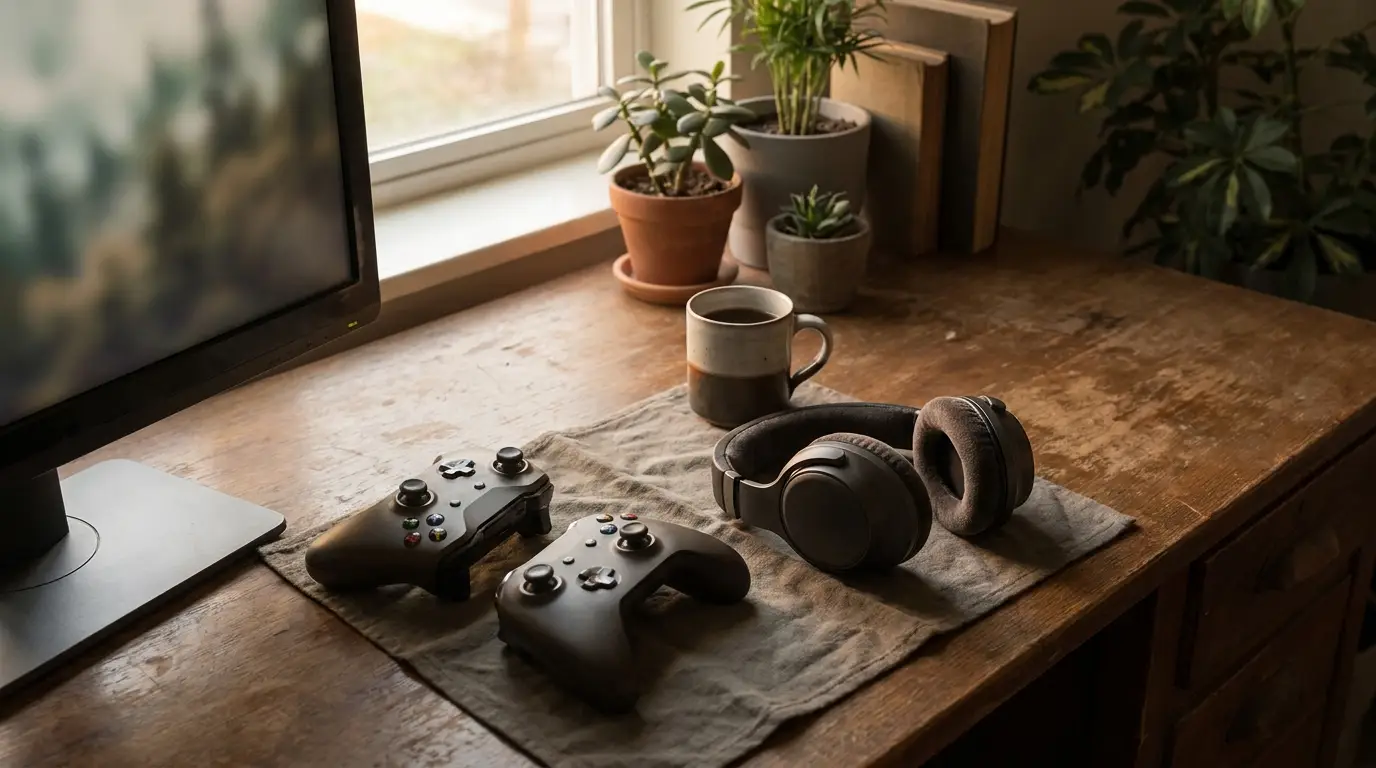
That shift calls for a different definition of success. Before a session, agree on a relaxed objective, rotate who leads the plan, and praise useful callouts even when a round ends badly. Make room for newer players, then close on a memorable shared moment instead of treating a reward screen as the sole verdict.
Groups also benefit when the purpose is stated plainly. A relaxed evening might center on helping someone learn the basics or spending time with familiar teammates, rather than chasing the best possible outcome. This removes pressure to perform for the group and gives people a reason to contribute in their own way.
Social play is strongest in a respectful environment and within a manageable amount of time. Research does not portray multiplayer games as an automatic answer to loneliness or a replacement for offline relationships; the player, game, motivation, and group atmosphere shape the outcome. The aim is not constant connection, but a better setting for it when people choose to play together.
That is why a broad digital catalogue has relevance beyond individual purchases. Eneba places game keys alongside optional game content, while its product pages can display platform and regional compatibility. Choosing the right content can support a planned group night, yet the conversation, coordination, and recurring company remain the real reason to return after each planned session. The catalogue supports the plan; the group supplies the meaning.


















