The first thing you notice about Seville is not the food. It is the light, the way it presses down on whitewashed walls and bounces back warm and golden like something baked, and then you realise the city smells of it too, of olive oil and woodsmoke and garlic sizzling somewhere just around a corner you have not yet turned.
Most visitors follow their noses into the nearest tapas bar, order a plate of jamón, and feel satisfied.
They sit under fluorescent lights in a place recommended by a hotel concierge, eat something competent, and return home certain they have tasted Seville, when in truth they have barely grazed its surface.
The Myth of the Obvious Tapa
Seville invented the tapa, or so the legend goes, and the city is enormously proud of this fact. But pride has a way of turning into performance, and much of what tourists encounter today is exactly that: a performance of Sevillano food culture rather than the real thing.
The jamón is real, certainly, but it is served without context, without the knowledge of what distinguishes a bellota from a cebo, or why the pigs that produce the best ibérico spend their final months in oak forests eating only acorns.
You eat the slice, you appreciate the salt and the fat, and you miss the entire story behind it.
The same is true of the montaditos piled high in the tourist corridors near the cathedral. They are assembled quickly, priced for foot traffic, and designed to be photographed rather than understood.
The soul of Seville’s table exists elsewhere, in the same city but in a completely different register.
A City That Eats in Layers
Seville is a deeply layered city, and its food culture reflects this quality precisely. There is the Roman layer, where the surrounding Guadalquivir valley fed an empire with olive oil and grain.
There is the Moorish layer, where almonds, saffron, and the patient art of pickling entered the kitchen and never left.
There is the layer that arrived from the Americas, when Seville controlled the trade routes of the New World, and tomatoes and peppers quietly transformed a cuisine that had existed for centuries without them. Every bite in this city, if you know where to look, carries the weight of that history.
The wines of the region carry the same depth. Manzanilla from Sanlúcar, bone-dry and seasoned with salt air from the Atlantic, bears almost no resemblance to the sherry a grandmother might have kept in a decanter on a sideboard.
Fino poured straight from the barrel in a bar near the Triana market is a living, breathing thing, and pairing it correctly with the right plate of food is something that takes years of knowledge to do well.
Why the Typical Experience Falls Short
The problem with most food tours in Seville is not that they are dishonest. They are surface-level by design, built to be accessible to anyone and therefore meaningful to almost no one.
They stop at five well-lit establishments, explain that locals eat late, and call it a cultural education.
Context is everything in Seville, and context is exactly what the average tourist experience strips away.
Without understanding why the people of the Triana neighbourhood developed a slightly different relationship with food than those in the Santa Cruz quarter, you are simply eating in a foreign city rather than entering its life.
A plate of espinacas con garbanzos, spinach with chickpeas, looks humble on a menu. But it is a direct line to the Moorish kitchen, a dish that has been cooked in Andalusia for over a thousand years with almost no modification, and that fact changes everything about how you taste it. Most tours never pause long enough to tell you that.
What a Chef Actually Knows
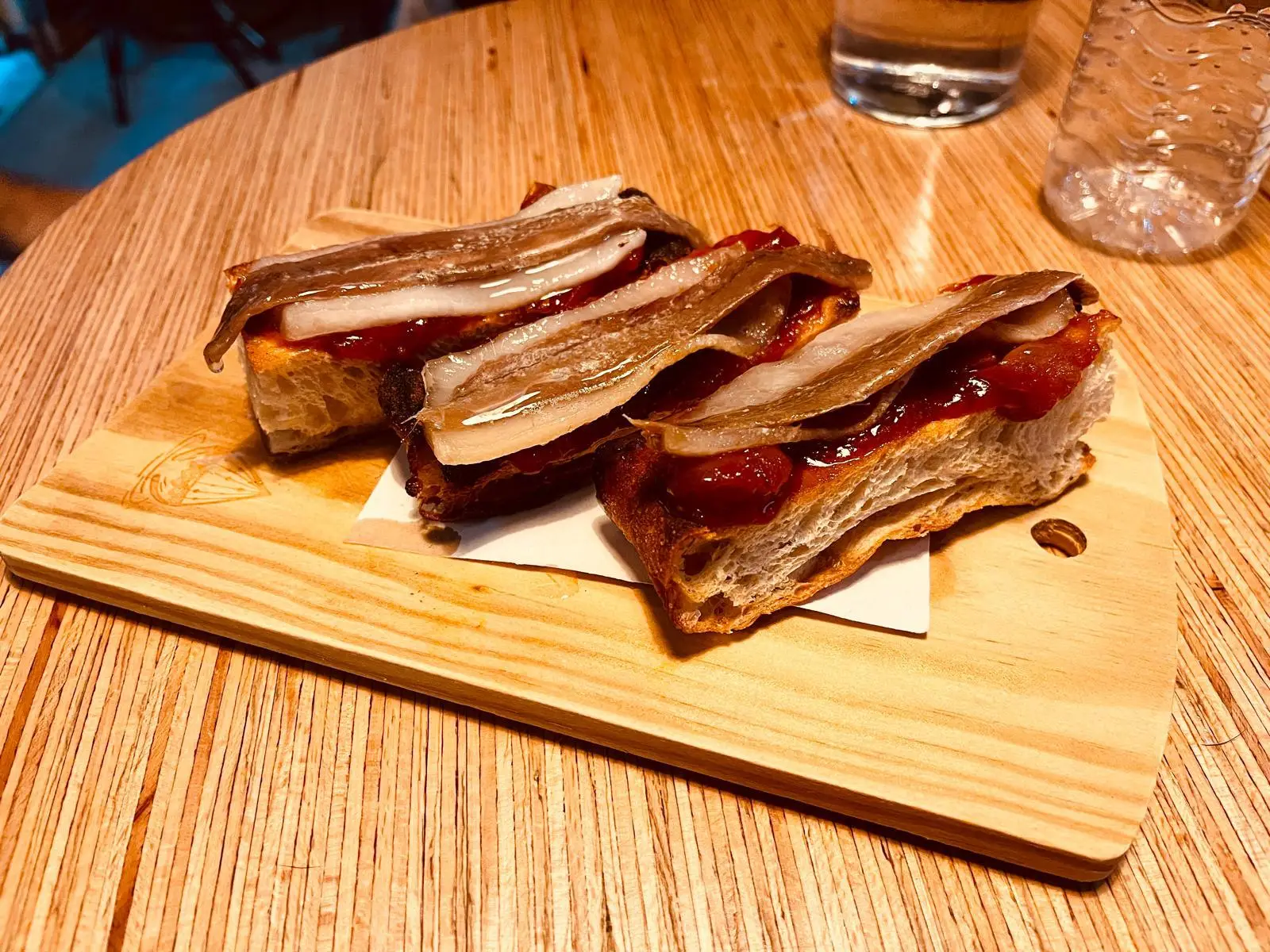
A chef who has cooked in Seville’s professional kitchens and shopped in its markets since childhood carries a kind of knowledge that cannot be acquired from a guidebook or a TripAdvisor list.
They know which jamón vendor in the Mercado de Triana gets the best legs from the dehesa in Extremadura, and they know this because they have been buying from him for years.
They know which bar still makes its own manteca colorá, the paprika-laced lard spread that is disappearing from menus as younger cooks chase trendier ideas.
They know the wine producer in the Condado de Huelva who makes a white wine from Zalema grapes that has no export market and no Instagram following, and they know it is extraordinary.
This is the kind of intelligence that separates a genuine culinary experience from a logistically organised walk with food attached.
The chef does not just open doors; they open entire worlds behind those doors, worlds that exist in plain sight but remain invisible to anyone who does not know how to look.
The Architecture of a Proper Tour
A well-designed, chef-led food and wine tour in Seville is not a tour in the conventional sense. It is closer to being invited into someone’s personal relationship with their own city, which is a rare and disorienting privilege.
It begins before the first bite, in the way the guide approaches a market stall and greets the vendor by name, in the small negotiation that happens in rapid Andaluz Spanish about what came in this morning and what is worth buying.
You see immediately that you are inside something rather than observing it from behind glass.
The itinerary moves not by neighbourhood map but by the logic of a meal, from the briny and the sharp, through the rich and the slow-cooked, toward the sweet and the fortified wine that closes the night.
This is the architecture thatThe Chef Tours has refined into an art, building each Seville experience so that every stop exists in relationship to the others, forming a coherent argument about what Sevillano food is and where it came from.
The Role of Wine in the Story
Wine is not an afterthought in Seville, though it is often treated as one by visitors who associate the region solely with sherry and leave it at that.
The Marco de Jerez produces wines of extraordinary range and character, from the gossamer lightness of a good fino to the molasses intensity of a Pedro Ximénez poured over vanilla ice cream in a way that feels almost indecent.
But the wines of Huelva, and the increasingly confident reds being produced in the Sierra Norte north of Seville, are equally worth attention.
A chef who understands the food also understands the wine, and watching someone select a specific amontillado to accompany a dish of slow-braised pork is to witness a kind of fluency that cannot be faked.
The pairing exists not as a rule but as a conversation between two things that grew up in the same landscape.
What You Bring Home
The difference between a tourist who has done a generic tapas crawl and someone who has spent an evening with a chef who genuinely loves Seville is not simply a matter of better food.
It is a matter of entirely different understanding. The second person returns home knowing that Andalusian cuisine is one of the oldest continuous culinary traditions in Europe, that it survived conquest and reconquest and cross-continental trade routes, and still tastes, in its best moments, of all of that history at once.
They carry with them a framework for reading food and wine that they will use for the rest of their lives.
That is the promise at the heart of this kind of travel: not a checklist of dishes eaten, but a city genuinely understood.
Seville does not give up its depths easily, but with the right guide beside you, the city opens like a kitchen door on a cold morning, and everything warm and complicated and alive comes flooding out.