

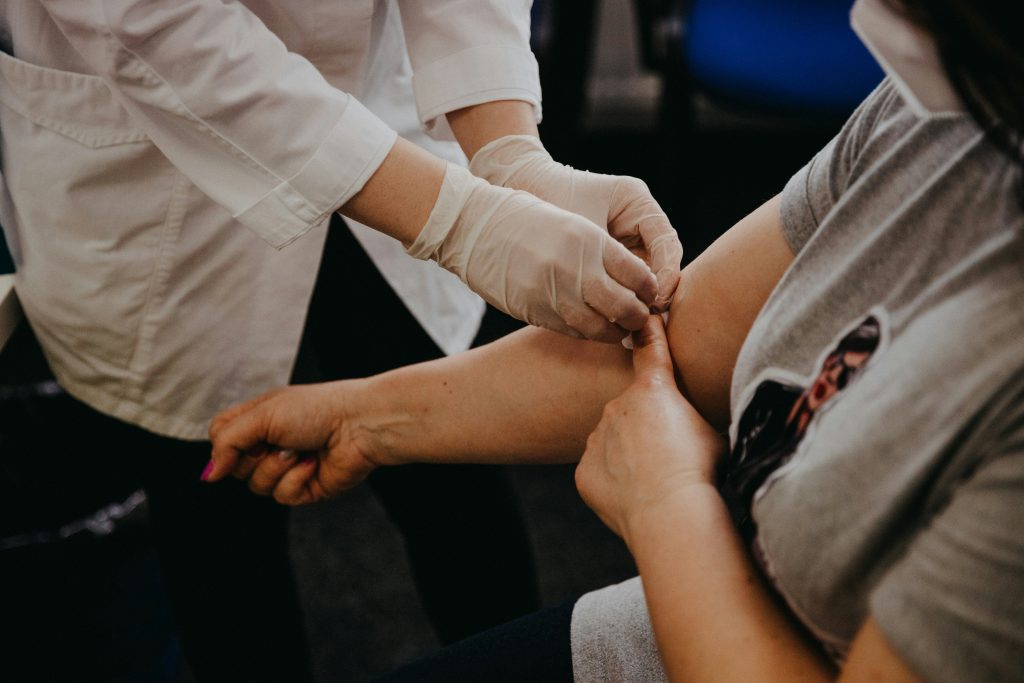
IV therapy is no longer limited to hospitals. It is now available in a range of wellness settings, giving people more choices for hydration and nutrient support. As these options grow, so does the variation in how IV services are provided. For anyone considering IV therapy, knowing the difference between a medical IV clinic, such as Prana IV Therapy, and a spa is key to making safe decisions.
What Defines a Medical IV Clinic?
A medical IV clinic follows healthcare standards and is overseen by licensed professionals, such as physicians or nurse practitioners. These clinics use clinical protocols, maintain sterile conditions, and assess patients before treatment.
Evidence-based guidelines, such as the Infusion Therapy Standards of Practice, emphasize that IV therapy should be delivered by trained professionals using strict infection control and patient-specific assessment.
Screening at a medical clinic includes reviewing medical history, medications, allergies, and underlying conditions. Informed consent and documentation are part of the process. Clinics like Prana IV Therapy customize treatments to each patient’s needs rather than offering one-size-fits-all packages.
How Do Spas Approach IV Therapy?
Some spas offer IV therapy as an add-on to services like massages or facials. These settings focus on comfort and relaxation, but medical supervision can vary. Experts note that IV vitamin and hydration therapies outside traditional healthcare settings may lack consistent oversight and standardization.
While some spas follow proper standards, others have less medical oversight. This can affect patient screening, treatment selection, and response to complications. When relaxation is the focus, structured medical protocols may not be a priority.
Safety Standards in Clinical IV Therapy

Safety in IV therapy relies on sterile technique, accurate mixing of solutions, and careful patient monitoring. Medical IV clinics use infection control practices, pharmaceutical-grade ingredients, and are prepared to handle emergencies if they arise.
During an infusion, patients are watched for any signs of irritation or allergic reaction. Staff are trained to act quickly if a problem comes up. At Prana IV Therapy, the procedure is provided in a medical setting, and these safety steps are part of everyday practice.
Why Does Expertise Matter in IV Administration?
IV therapy puts fluids and nutrients straight into the bloodstream, so it takes clinical skill to do it safely. The provider’s expertise affects everything from finding the right vein to choosing the correct dose and setting the right infusion speed.
Licensed professionals bring knowledge of anatomy, pharmacology, and patient care. Their training supports safe administration and effective management of complications. This level of expertise improves treatment reliability and patient safety.
Evidence-Based Care and IV Treatments
Evidence-based care means using treatments that are backed by research, clinical experience, and what patients actually need. In IV therapy, this approach focuses on options that have credible support.
Some IV therapy uses, like hydration and electrolyte replacement, are well established. Others are marketed for wellness but lack strong evidence. Responsible providers rely on research, avoid unsupported claims, and explain options clearly.
Providers in regulated IV therapy settings align protocols with clinical standards and set realistic expectations.
Are All IV Formulations Clinically Supported?
Not all IV formulations have equal scientific support. Hydration and electrolyte replacement are widely accepted, while other nutrient infusions lack strong evidence for general wellness.
Patients should understand the benefits, risks, and uncertainties of each option. Clear explanations support informed decisions and realistic expectations. Medical clinics typically provide more detailed information on formulations and safety measures.
Regulatory Oversight and Compliance
Healthcare facilities must meet standards for cleanliness, staffing, and patient safety, ensuring consistent, accountable care. Medical IV clinics operate within regulated systems, requiring licenses and regular reviews to maintain best practices.
Spas are regulated differently by location, so oversight and consistency can vary.
How Should Patients Choose an IV Provider?
When choosing an IV provider, consider their credentials, safety procedures, and how well they communicate. Patients should check if licensed professionals are involved and how treatments are reviewed.
Asking about staff training, emergency plans, and how consultations work can help guide your decision. Clinics that do a thorough assessment before treatment show a patient-centered approach.
If you are considering IV therapy, choosing Prana IV Therapy or another clinic offers safer care, medical supervision, and more reliable standards.
About Prana IV Therapy
Prana IV Therapy is a Scottsdale-based IV hydration clinic providing nurse-administered intravenous fluids and nutrient therapy throughout the Phoenix Valley. Founded by Registered Nurses Kirk Wilson and Jamie Wilson, Prana IV Therapy offers in-clinic and mobile services focused on patient screening, adherence to clinical standards, and responsible hydration support in Arizona’s desert climate.