
Bridal Specialization and Contemporary Wedding Styling
Within the wedding industry, bridal hairstyling remains one of the most technically demanding and emotionally significant disciplines. It requires more than aesthetic intuition; it demands structure, durability, and the ability to perform consistently under the unique pressures of live events.
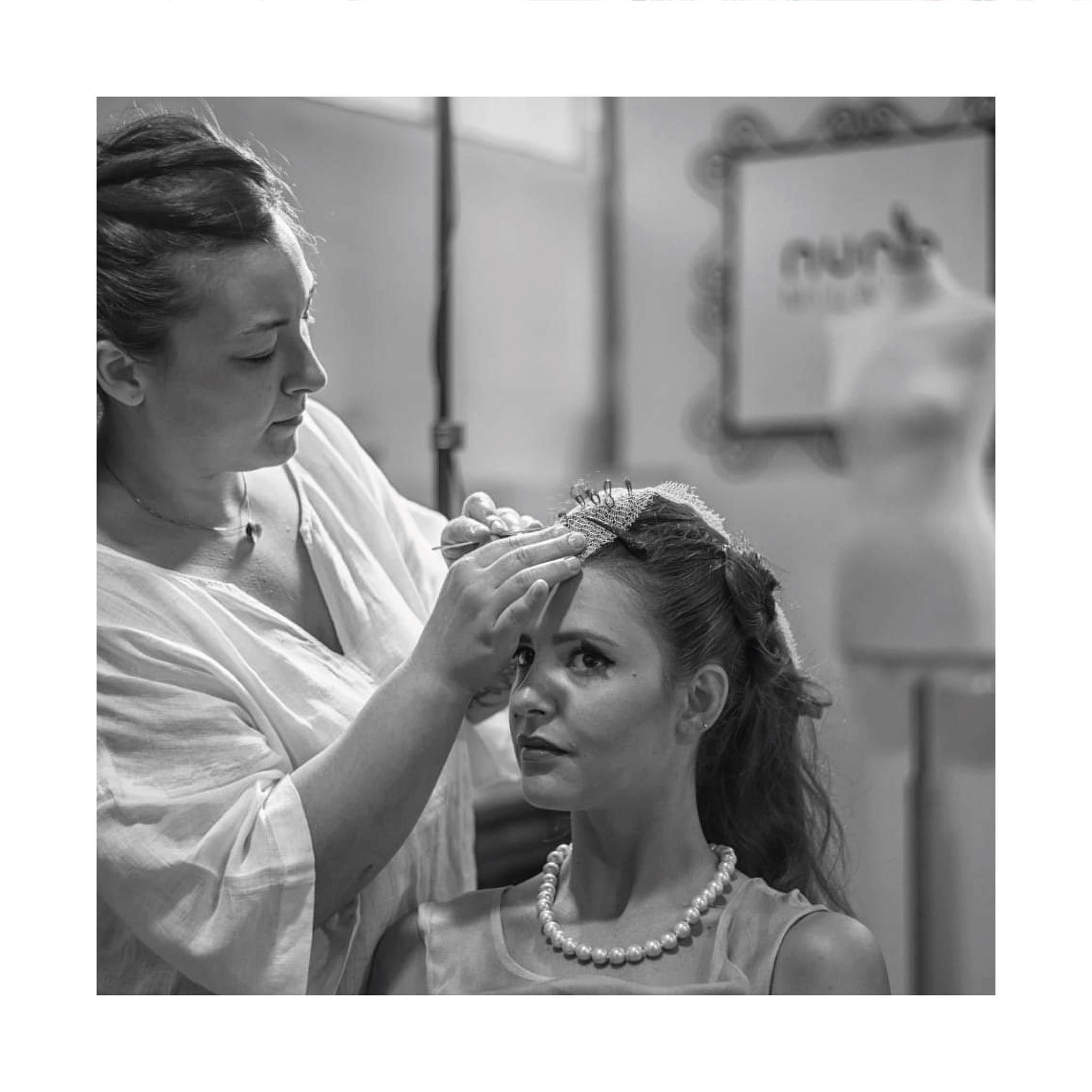
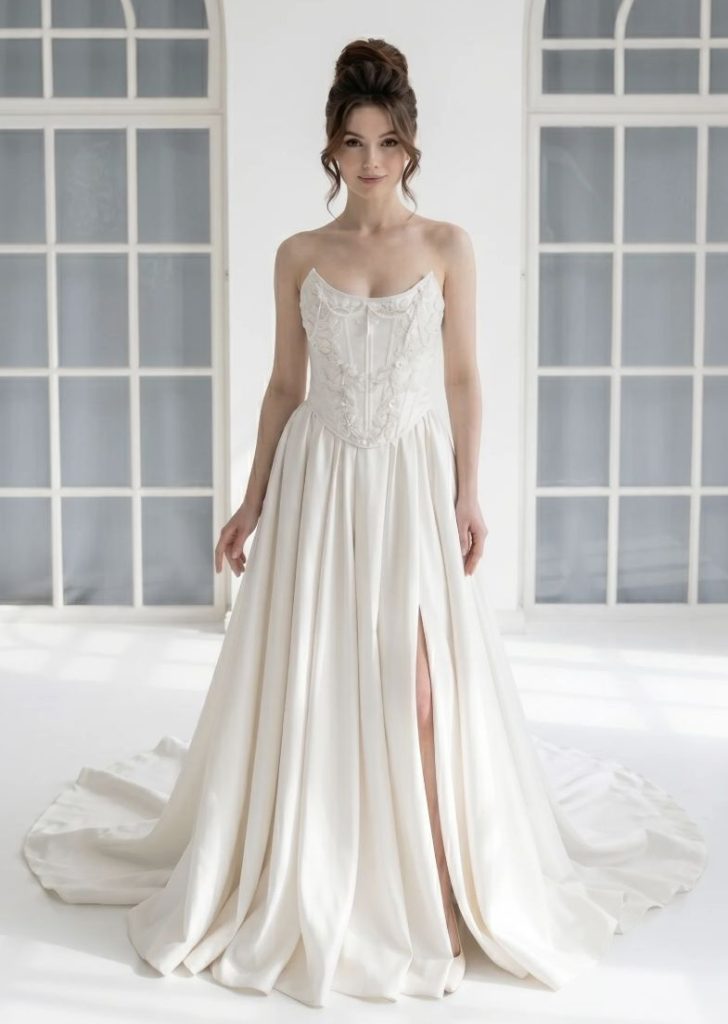
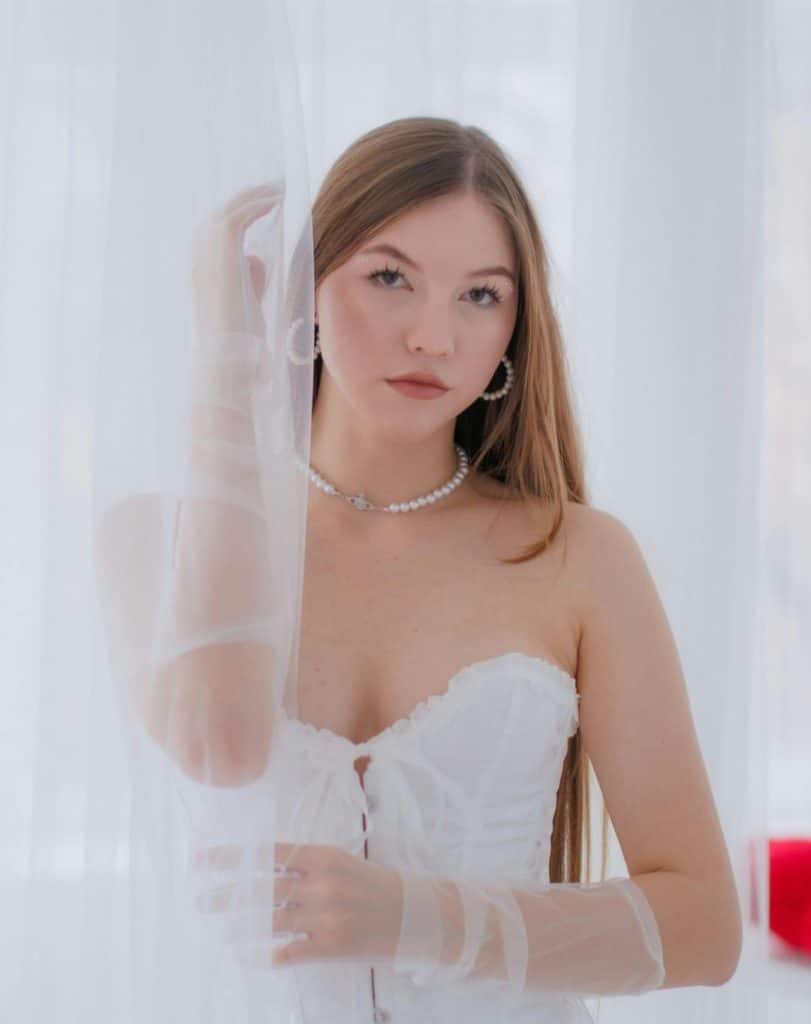
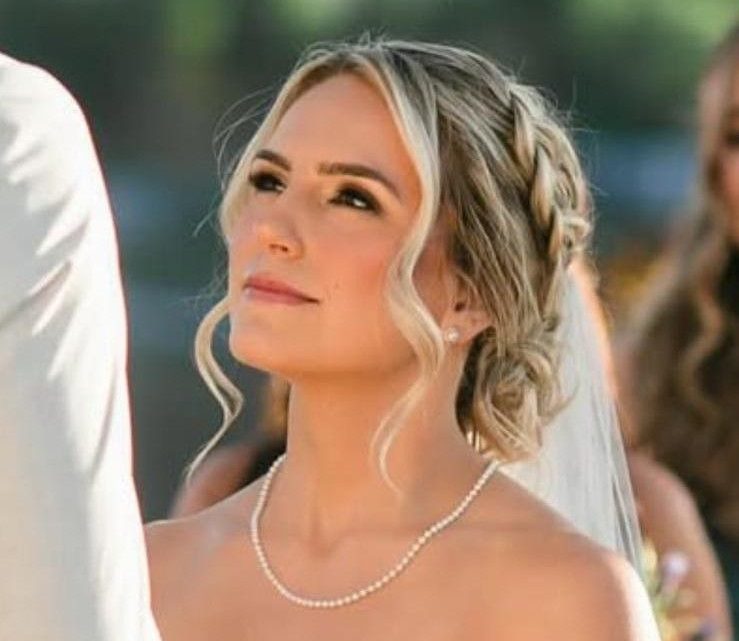
Maria Cammisa has built her professional focus around bridal specialization, working across Italy and international settings. Her approach blends architectural balance with softness, ensuring that each hairstyle responds to facial proportions, dress structure, ceremony environment, and photographic lighting. Rather than treating bridal styling as trend-based decoration, her method centers on longevity and compositional integrity.
Wedding ceremonies extend for hours, often across changing climates and dynamic lighting conditions. Hairstyles must remain controlled without appearing rigid, refined without losing movement. This balance between aesthetic elegance and structural reliability defines her bridal work and distinguishes it within a competitive field.
Competitive Frameworks and International Standards
Professional discipline in the beauty industry is frequently shaped within structured environments. Maria’s professional path has intersected with OMC Hairworld (https://omchairworld.com/), a global organization dedicated to competitive hairdressing and technical excellence.
Participation in competitive preparation contexts introduces measurable criteria, time-sensitive execution, and strict methodological standards. In 2019, she contributed within this environment as a team educator, engaging in structured preparation processes that emphasize precision and repeatability.
Competitive platforms refine more than creativity; they reinforce clarity of execution and control under pressure. These qualities translate naturally into bridal settings, where timing, coordination, and reliability are equally critical. Exposure to international standards strengthens technical awareness and reinforces disciplined practice.
Education and Advanced Hairstyling Methodology
Beyond execution and competition, Maria has maintained active engagement in professional education. She has taught historical and cinematographic hairstyling within an accredited vocational training environment in Milan, transmitting structured knowledge rooted in research and reconstruction techniques.
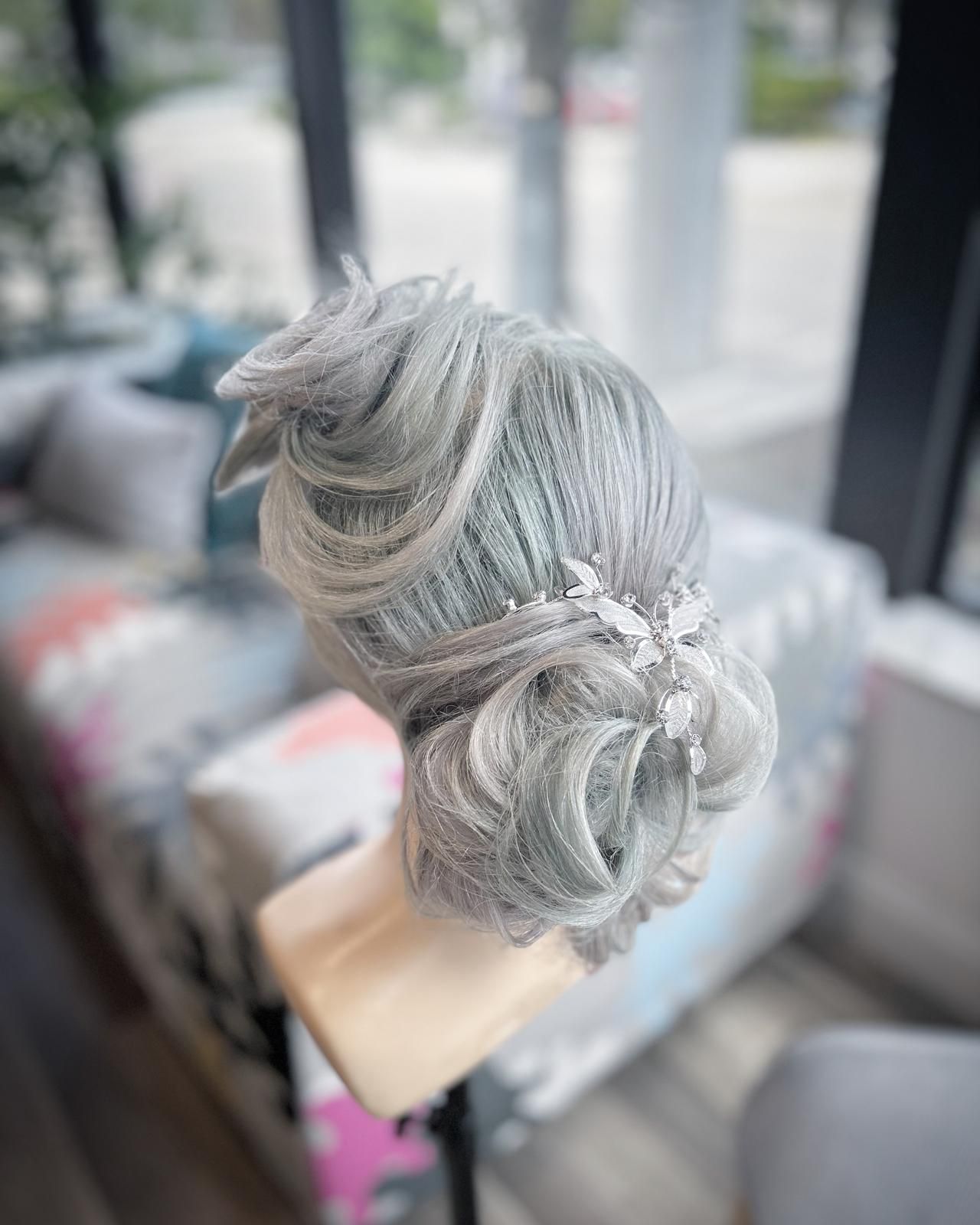
Historical hairstyling requires analytical precision: recreating silhouettes from earlier centuries demands technical understanding, proportion control, and sensitivity to visual context. These competencies inform contemporary bridal practice, particularly in ceremonies influenced by classical or vintage aesthetics.
Teaching reinforces professional maturity. Instructors must systematize their approach, articulate process, and guide students through disciplined technique. Through educational engagement, Maria strengthened both her technical clarity and her ability to operate within formal academic frameworks.
Bridal Consultancy and Ongoing Professional Engagement
Bridal work often unfolds within collaborative networks. Maria has served as a professional reference within structured wedding platforms such as Nozzetiche (https://www.nozzetiche.com/), contributing to coordinated bridal environments that integrate stylists, planners, photographers, and makeup artists.
Such roles require adaptability and communication across multidisciplinary teams. Bridal styling becomes part of a broader production ecosystem, where precision must align with logistical rhythm. Experience within these networks reinforces operational flexibility while preserving technical consistency.
Her professional continuity extends internationally. Upon request, she travels for bridal assignments, maintaining long-standing professional relationships and demonstrating sustained engagement within established networks. This ongoing presence reflects continuity rather than episodic participation.
Founder Identity and Professional Perspective
As a founder and professional stylist, Maria Cammisa’s career reflects gradual construction rather than rapid visibility. Competitive exposure strengthened discipline. Formal teaching refined methodology. Bridal consultancy grounded practice in real-event conditions. Each stage contributed structural depth to her professional identity.
Her trajectory illustrates how artistic sensibility can coexist with procedural rigor. Within an industry often influenced by immediacy, her work demonstrates the value of accumulated experience and consistent refinement.
Bridal hairstyling, in her practice, is not improvised glamour. It is the outcome of measured preparation, structured training, and continued engagement within professional frameworks. The result is work that appears effortless, yet rests on years of disciplined development.