If you’re planning to renovate in 2026, you’ve probably noticed the mood has changed. Homeowners are less interested in flashy upgrades and more focused on durability, energy performance, and resale logic. Material costs still fluctuate, labor remains tight in many markets, and buyers are paying closer attention to operating costs. That makes renovation choices more strategic than they were a few years ago. The smartest upgrades now balance comfort, maintenance, and long-term value instead of chasing short-lived trends.
Start With the Systems You Don’t See
It’s tempting to begin with paint colors, tile patterns, or a dramatic kitchen island. Most expensive renovation regrets start much earlier, inside walls, attics, crawl spaces, and utility rooms.
If your wiring is outdated, your plumbing is failing, or your HVAC system is oversized or nearing the end of its service life, cosmetic updates won’t protect your budget for long. Buyers, inspectors, and insurance providers are looking harder at these basics than many homeowners expect.
A rewire, repipe, or air-sealing package rarely earns applause on social media, but it can stop recurring repairs and improve livability immediately.
Kitchen Updates Need Precision, Not Excess
The kitchen still carries huge weight in resale psychology, but 2026 buyers are reading spaces differently. They’re less impressed by oversized statements and more attentive to storage efficiency, appliance reliability, and surfaces that won’t be a maintenance project.
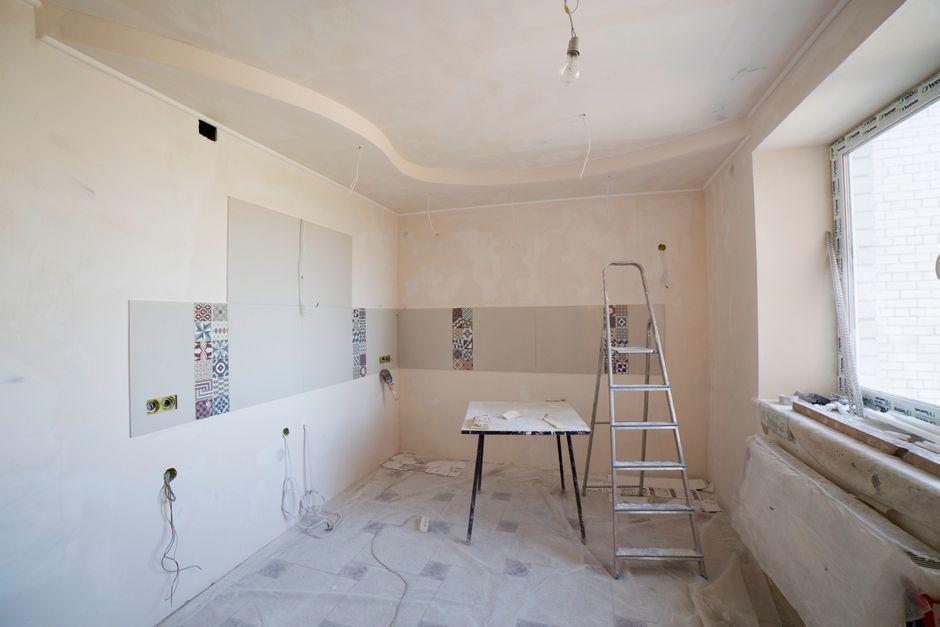
You don’t necessarily need a full gut remodel. Cabinet refacing, better task lighting, upgraded drawer hardware, and quartz or porcelain countertops can shift the entire feel of the room without blowing up your budget. Layout tweaks matter more than decorative extras, especially if your work triangle is awkward or your pantry space is weak.
Working with a company like Top Home Improvements can help homeowners improve their property’s comfort, functionality, and overall appearance through professional renovation and home improvement services tailored to their needs and budget. A practical renovation has a stronger payoff when it improves workflow, cleaning, and daily use instead of adding features that sit idle after the first month.
Bathrooms Earn Their Keep Faster Than You’d Expect
Bathrooms are one of the clearest examples of how small spaces can carry oversized value. A tired bathroom signals deferred maintenance fast, especially when grout is stained, ventilation is poor, or water damage is visible around the vanity or tub.
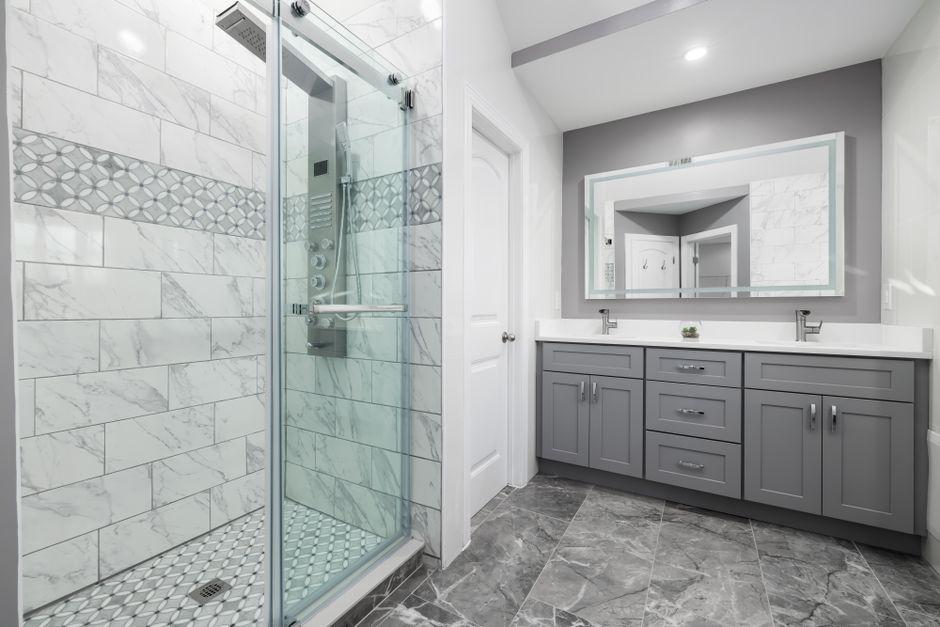
You don’t need to create a spa to make the room work harder. New fixtures with lower flow rates, a properly vented exhaust fan, slip-resistant flooring, and a walk-in shower can all improve usability while reducing future upkeep. Even details like niche storage and layered lighting help the room feel current without overdesigning it.
Accessibility is also becoming a much bigger part of remodeling decisions. Curbless shower entries, wider clearances, and comfort-height toilets used to be framed as niche features. Now they’re showing up in mainstream planning because they make a home more adaptable over time and broaden buyer appeal.
Windows, Doors, and Insulation Are Quietly Winning
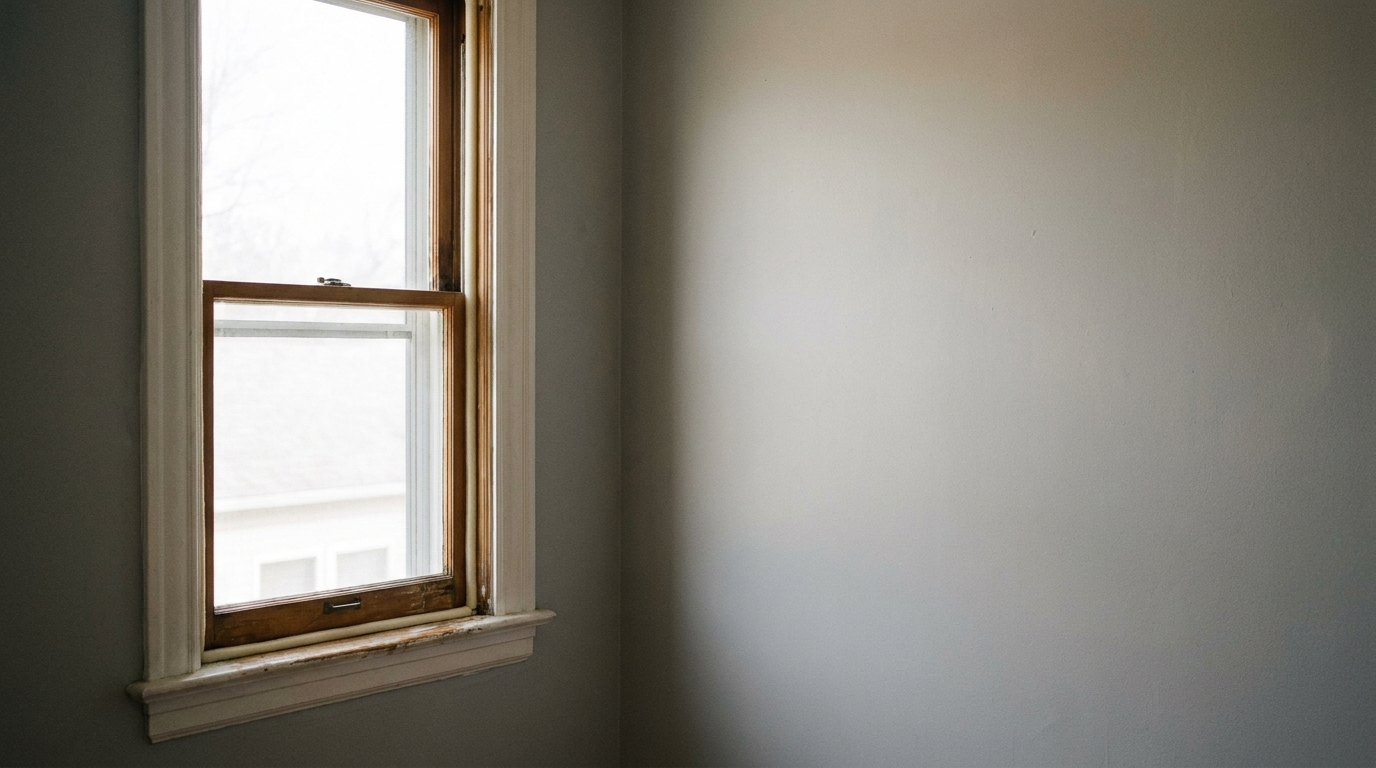
Some upgrades don’t photograph well, but they change the way your house performs every single day. That includes replacing leaky windows, upgrading exterior doors, and tightening insulation in problem areas.
Energy efficiency isn’t just about lower utility bills anymore. It also affects indoor comfort, sound control, condensation risk, and HVAC load. If one room is always too hot in summer or too cold in winter, the issue may be less about your furnace or AC and more about glazing, air leakage, or weak thermal barriers.
Not every home needs a full window replacement package. In some cases, selective replacement on the worst elevations, combined with weatherstripping and attic insulation, gets better ROI. The point is performance. A house that feels stable, quiet, and efficient usually leaves a stronger impression than one with expensive finishes hiding obvious comfort problems.
Exterior Repairs Have Become a Financial Decision
Siding, roofing, drainage, and foundation maintenance used to be easy to postpone because they didn’t feel urgent until damage became visible. That approach is getting more expensive.
With higher insurance scrutiny in many regions, exterior condition can influence premiums, repair timelines, and even insurability. A worn roof, failed flashing, clogged gutters, or poor grading can trigger cascading issues inside the home, including rot, pest intrusion, and moisture migration.
If your renovation budget is limited, exterior resilience deserves serious attention. Fiber cement siding, impact-resistant shingles where climate risk calls for them, and proper water management all support long-term asset protection. These choices may not feel glamorous, but they strengthen the building shell that every interior investment depends on. Skipping them often means paying twice: once for the cosmetic work and again for the damage underneath.
Flooring Choices Are Getting More Practical
Flooring trends have matured. People still care about aesthetics, but wear resistance, cleaning demands, and moisture tolerance are driving more decisions than trend reports do.
Engineered hardwood remains popular because it gives you a wood look with better dimensional stability than some solid planks. Luxury vinyl plank still has market share because it handles kids, pets, and messy entry points well, though not every product line performs equally. Tile remains a strong option in wet areas, especially when slip resistance is part of the selection process.
The mistake many homeowners make is choosing one material for visual consistency and ignoring room-by-room performance. A smarter flooring plan treats a mudroom differently from a bedroom and a basement differently from a main living area. Renovation quality often shows up in those decisions. The best floor isn’t the one that looks best on install day; it’s the one that still works after years of foot traffic.
Layout Changes Should Solve a Real Problem
Open-plan fever has cooled. People still want flow and natural light, but they also want acoustic separation, functional zones, and places to work, study, or decompress.
Before removing walls, ask what problem the change actually solves. If your current layout traps traffic, blocks daylight, or isolates key spaces, structural revisions may be worth it. If the goal is just to make the home feel trendier, the payoff gets murkier.
In many houses, targeted edits do more than a full open-concept conversion. Widening a cased opening, improving sightlines, adding built-in storage, or creating a semi-private flex room can make the home more usable without sacrificing structure or privacy. Renovations age better when they respond to lived patterns, not just design fashion. A floor plan should support how you actually move through the house on an ordinary Tuesday, not just how it looks during a showing.