Your kidneys filter about 50 gallons of blood every single day, so what you drink matters more than most people realize.
Cranberry juice has earned a reputation as a urinary tract booster, thanks to compounds called proanthocyanidins that may help prevent bacteria from clinging to the bladder wall.
So, is cranberry juice good for your kidneys? This blog covers what it actually does for your kidneys, and who should be careful before drinking it.
Is Cranberry Juice Good for Your Kidneys?
No, cranberry juice does not “clean” or detox your kidneys. Kidneys already filter your blood on their own.
The National Center for Complementary and Integrative Health (NCCIH), part of the NIH, has studied this closely.
Cranberry may lower the risk of repeat UTIs in women by 25 percent, sometimes more than 30 percent.
That benefit is limited to UTI prevention in certain people, not to kidney function or disease. NCCIH also notes that cranberry isn’t recommended as a treatment for existing UTIs.
How Does Cranberry Juice Prevent UTIs?
Cranberry juice may fight UTIs through proanthocyanidins, compounds that stop E. coli from sticking to the bladder wall. This mechanism is backed by a systematic review and meta-analysis of the evidence.
That review linked cranberry juice to a 54% lower UTI rate than no treatment and 27% lower than placebo, plus reduced antibiotic use.
The evidence isn’t unanimous, though. A 2020 clinical review from Brown University Health found some studies showed little or no benefit over placebo.
Newer lab research points to something else. Cranberry compounds may help antibiotics work better against resistant E. coli, rather than replacing them.
This idea is still new and needs more testing in people before doctors can rely on it.
What’s the Best Cranberry Juice to Buy?
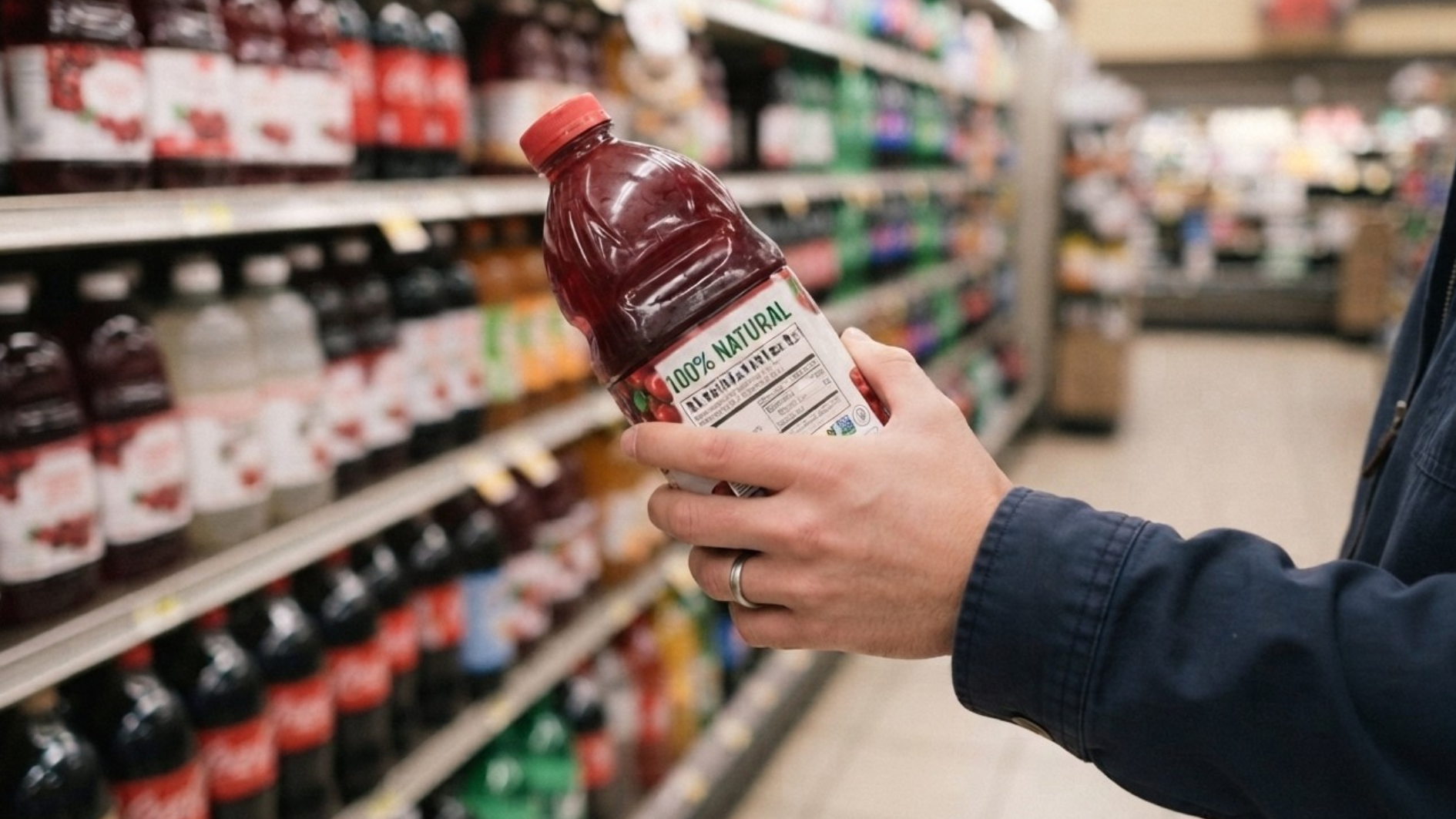
The best cranberry juice for UTI prevention is 100% juice with no added sugar. Not all cranberry juice is created equal. Many bottles on store shelves are loaded with added sugar, while others barely contain real cranberry at all.
A few things to check before you buy:
- Light/no-Sugar-Added: The lowest-sugar option, often under 15g per 8-ounce glass.
- 100% Juice: No added sugar, but still around 27-30g of natural sugar per 8-ounce glass.
- Cranberry Cocktail: Skip it if you can. Similar sugar load to 100% juice, around 25-30g per cup, but most of it is added, not natural.
- Fruit Blends: Some “100% juice” labels mix in apple, grape, or pear without stating how much cranberry is inside, adding even more sugar.
- Strong Taste: Dilute with water or seltzer to cut tartness without adding sugar.
Who Should Be Careful With Cranberry Juice?
Cranberry juice is generally safe, but it isn’t risk-free for everyone.
According to a review published at PubMed, certain groups should check with a doctor before drinking it regularly.
1. People with a History of Kidney Stones
Cranberry juice is high in oxalate, a compound associated with calcium oxalate stones, the most common type of kidney stone.
If you’ve had stones before, ask your doctor whether cranberry juice is safe to include in your diet and how much is reasonable to consume.
2. People Taking Warfarin
Drinking a moderate amount (about 1-2 cups) isn’t associated with warfarin-related problems. The risk increases only with very high intake, such as 1-2 liters a day, or with high-dose extracts.
Talk to your doctor before regularly combining cranberry juice with blood thinners.
3. Organ Transplant Recipients on Tacrolimus
One case report found that a kidney transplant patient’s tacrolimus levels dropped after she started cranberry extract capsules. Levels returned to normal once she stopped.
Anyone on immunosuppressants should discuss cranberry use with their transplant team first.
4. People with Diabetes
Sweetened cranberry juice and cocktail blends can spike blood sugar fast due to added sugar. Even unsweetened versions contain natural sugars that add up over multiple servings.
Stick to small portions and monitor your blood sugar if you choose to drink it.
5. People with Kidney Disease or On Dialysis
Cranberry juice is naturally low in potassium, so it isn’t automatically off-limits for kidney disease or dialysis. Sugar content and fluid intake matter more at this stage than potassium does.
Anyone on dialysis or with advanced kidney disease should check with their renal dietitian before making cranberry juice a regular habit, since fluid limits and sugar tolerance vary by person.
What Other Foods and Drinks are Kidney Friendly?
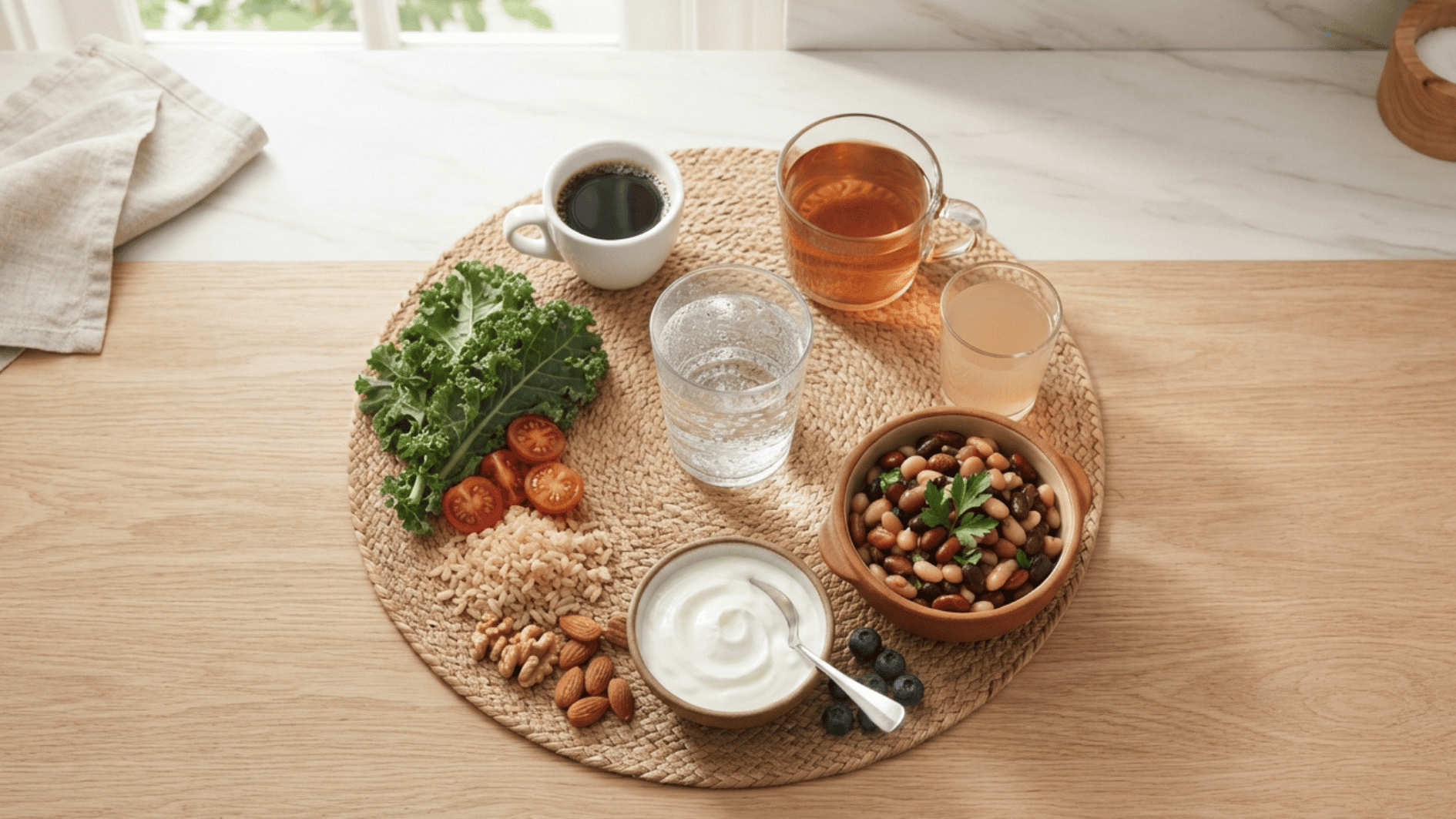
Your diet plays a direct role in how well your kidneys work.
So, what is the best morning drink for kidneys? Water tops the list, according to the National Kidney Foundation(NKF), followed by a few other foods and drinks worth adding to your routine.
| Food/Drink | Benefit |
|---|---|
| Water | No calories or additives; helps kidneys filter waste and prevents stones and UTIs. |
| Black coffee | May protect kidney health and support filtering over time. |
|
Unsweetened tea |
Adds antioxidants and hydration with no added sugar. |
| Fruit juice (no added sugar) | Hydrating, but check labels for hidden sugar. |
| Beans | High in fiber; provides protein, iron, potassium, and magnesium. |
| Yogurt | Provides B12, calcium, phosphorus, and probiotics. |
| DASH Diet | Rich in fruits, vegetables, whole grains, and lean protein; low in salt and added sugar. |
Can Food or Drinks Clean Your Kidneys?
No food or drink can speed up how your kidneys filter blood. That’s a job they already do on their own, every day, with no help needed.
The National Kidney Foundation (NKF) warns people to avoid teas and supplements marketed as a “kidney detox” or “kidney cleanse,” noting there’s limited evidence that they work.
Some can even interact with medications or cause harm. The Foundation instead recommends eating a healthy diet, staying active, and avoiding tobacco to support kidney health.
Drinking enough water matters too, but it doesn’t flush toxins out the way marketing claims. If you’re worried about your kidneys, talk to a doctor instead of trying a cleanse.
The Bottom Line
Cranberry juice’s real value is UTI prevention, and even that comes with mixed evidence behind it.
What it may do is lower the risk of repeat UTIs in certain people, particularly women with a history of infections.
Choose 100% juice with no added sugar, keep servings moderate, and check with your doctor first if you have kidney stones, take blood thinners, manage a transplant, or live with kidney disease or dialysis.
If you notice pain, fever, or changes in your urine, don’t wait; reach out to a healthcare professional right away.
Frequently Asked Questions
Can I Drink Cranberry Juice Every Day?
Most healthy adults can drink a small daily serving (around 4-8 ounces) of unsweetened cranberry juice, but ask a doctor first if you have kidney stones or take blood thinners.
Does Cranberry Juice Interact with Antibiotics?
No known interaction exists between cranberry juice and antibiotics, though cranberry isn’t a treatment for an active infection on its own.
How Often Can Someone with Kidney Disease Drink Cranberry Juice?
There’s no fixed rule. It depends on your fluid limit, sugar tolerance, and CKD stage, so a renal dietitian should set the actual amount for you.