Aritzia has become one of the most talked-about fashion retailers in recent years.
Known for its polished basics, trendy silhouettes, and social-media-famous pieces, the brand attracts shoppers.
But as consumers become more aware of sustainability and ethical shopping, one question keeps coming up: Is Aritzia fast fashion?.
In this blog, we’ll break down where Aritzia truly fits in the fashion industry and whether it deserves the fast fashion label.
What is Fast Fashion?
Before deciding whether Aritzia qualifies as fast fashion, it helps to understand what the term actually means.
Fast fashion is a business model in which clothing companies rapidly produce inexpensive garments inspired by current trends. These brands release new collections constantly to encourage shoppers to buy more, more often.
- Rapid production cycles – New styles are released constantly
- Trend-focused collections – Clothing inspired by viral trends
- Low-cost manufacturing – Cheap labor and materials
- Mass production – Large volumes of inventory
- Short garment lifespan – Clothing designed for temporary wear
- Encourages overconsumption – Constant pressure to buy more
Brands like Shein, Zara, H&M, and Forever 21 are commonly associated with fast fashion because they produce massive amounts of clothing at extremely fast speeds.
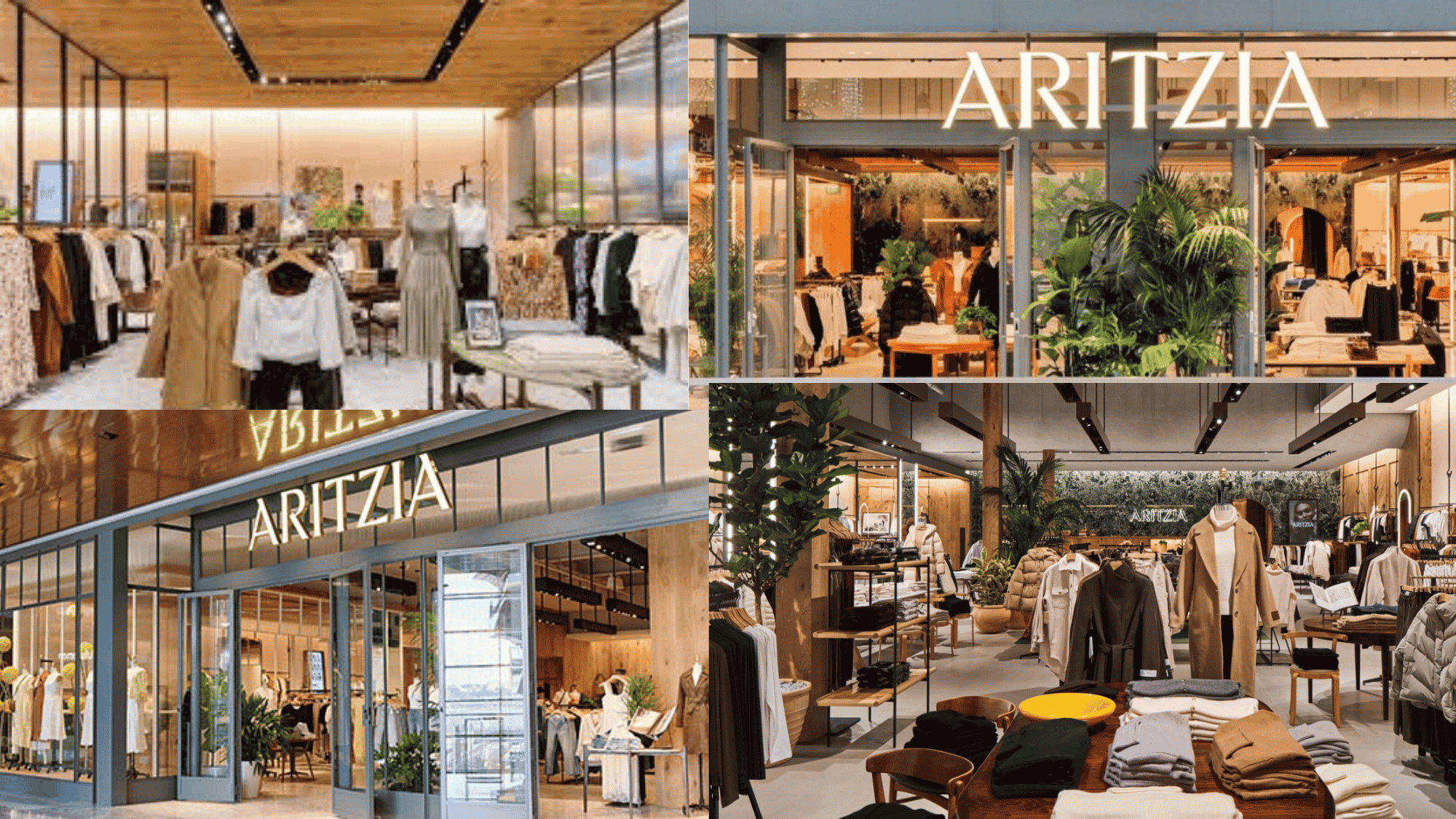
What Kind of Brand is Aritzia?

Image Source: Fashion Network
Aritzia is a Canadian fashion retailer founded in Vancouver in 1984. Unlike ultra-cheap fast fashion stores, Aritzia positions itself as a premium lifestyle brand focused on “everyday luxury.”
Instead of selling third-party labels, Aritzia mainly carries its own in-house brands, including:
- Wilfred
- TNA
- Sunday Best
- The Group by Babaton
The company is known for minimalist fashion, neutral color palettes, tailored pieces, and trendy basics that appeal to young professionals and fashion-conscious shoppers.
Because of this pricing and branding, many shoppers assume Aritzia is automatically more ethical or sustainable. However, price alone does not determine whether a brand is fast fashion.
Frequent Trend Releases
Aritzia constantly updates its collections with new styles inspired by current fashion trends. The brand quickly adapts to popular social media aesthetics, especially on TikTok and Instagram.
Large Seasonal Collections
The company releases large amounts of new inventory throughout the year, encouraging shoppers to keep buying updated styles.
Overseas Manufacturing
Like many fashion brands, Aritzia manufactures much of its clothing overseas. While outsourcing itself is not inherently unethical, critics often associate global factory production with fast-fashion practices.
Consumer Culture and Overconsumption
Aritzia’s marketing strategy strongly promotes trend-focused shopping and wardrobe updates. Limited drops, influencer marketing, and seasonal collections can contribute to overconsumption.
Why Aritzia is Different From Ultra-Fast Fashion
Although Aritzia shares some fast-fashion characteristics, it differs from ultra-fast-fashion brands in important ways.
Aritzia vs Typical Fast Fashion
| Feature | Aritzia | Ultra-Fast Fashion Brands |
|---|---|---|
| Price Point | Mid-to-high | Very low |
| Fabric Quality | Mixed to good | Often poor |
| Clothing Lifespan | Moderate to long | Short-term |
| Production Speed | Fast | Extremely fast |
| Design Style | Mix of trendy + timeless | Mostly trend-driven |
| Sustainability Focus | Some initiatives | Usually limited |
Brands like Shein release thousands of new products daily. Aritzia operates at a slower pace and places greater emphasis on branding and quality.
Aritzia’s Most Popular Product Categories
Aritzia is best known for its stylish basics, premium outerwear, tailored clothing, and trendy fashion pieces that combine comfort with modern design.
- Wool Coats
- Tailored Pants
- Knitwear
- Activewear
Why Some People Love Aritzia While Others Avoid It
Aritzia is known for its trendy fashion, premium basics, and stylish collections that appeal to modern shoppers.
Reasons People Love Aritzia
Many shoppers are drawn to Aritzia because of its stylish wardrobe staples and elevated basics that feel more polished than traditional mall fashion.
The brand is especially known for its modern minimalist aesthetic, making it popular among people who prefer clean silhouettes, neutral colors, and versatile outfits.
Aritzia also has a strong reputation for outerwear, tailored trousers, and everyday essentials that can easily transition from casual to professional settings.
Reasons Some People Avoid Aritzia
Despite its popularity, Aritzia is not without criticism. One of the biggest concerns for shoppers is the high price point, as many items cost significantly more than similar pieces at other retailers.
The brand also has a mixed sustainability reputation, with critics questioning its level of transparency and environmental responsibility.
Some consumers feel that Aritzia still promotes trend-based shopping and overconsumption, which are common concerns associated with fast fashion.
Tips for Shopping More Responsibly at Aritzia
These simple, practical tips will help you make more thoughtful, sustainable, and budget-conscious shopping decisions when browsing and buying from Aritzia.
- Focus on timeless basics that stay stylish for years, rather than following short-lived trends.
- Choose natural fabrics like wool, cotton, or linen for better comfort and durability.
- Avoid impulse purchases driven by seasonal sales or social media trends.
- Invest in versatile clothing pieces that can be styled for multiple occasions.
- Shop secondhand through resale apps or thrift stores to reduce fashion waste.
- Prioritize quality over quantity to build a wardrobe that lasts longer.
Final Verdict: Is Aritzia Fast Fashion?
Aritzia operates in a gray area between fast fashion and premium contemporary fashion.
The brand still relies on trend cycles, large-scale production, and overseas manufacturing, which are all hallmarks of fast fashion.
So, while many experts would technically classify Aritzia as fast fashion, it sits at the more premium end of the spectrum.
For consumers, the most important factor is choosing versatile, long-lasting pieces, and avoiding unnecessary purchases can make a much bigger difference over time.