


The old gaming hierarchy puts consoles and PCs at the center of serious play, then treats phones as a lesser distraction. That argument no longer fits the scale of the audience or the range of choices available on a mobile device. The Entertainment Software Association reported in 2026 that mobile was the most popular gaming method across all US age groups, with 80% of players using mobile devices.
Players can buy digital games through official platform stores or digital marketplaces, depending on the title and the device they use. Eneba is one option for browsing and comparing game keys or gift cards, and its listings can show clear region and platform details alongside products like a Top up zenless zone zero option for US-region Monochrome.
Context gives play a clearer purpose
Mobile does not replace every reason to use a console or PC. Its value lies in allowing players to pick a format that fits the time, place, and level of attention available. A player might spend a few minutes during a commute, revisit a game between daily tasks, or settle in for a longer session at home without needing a fixed living-room setup.
Calling that flexibility casual misses the point. Intentional play can mean selecting a small window for entertainment, returning regularly to a long-running game, or choosing a more involved session when the moment allows. This is an editorial interpretation rather than a rule for every player, but it recognizes that commitment is shaped by context as much as hardware.
Mobile supports lightweight entertainment alongside sustained involvement in role-playing, strategy, competitive, and live-service games. The same person can dip in occasionally and invest deeply at different times on the same device. “Mobile gamer” and “casual gamer” are therefore poor substitutes for each other, because neither term fully describes how an individual chooses to spend their time.
Scale supports a broader view of gaming
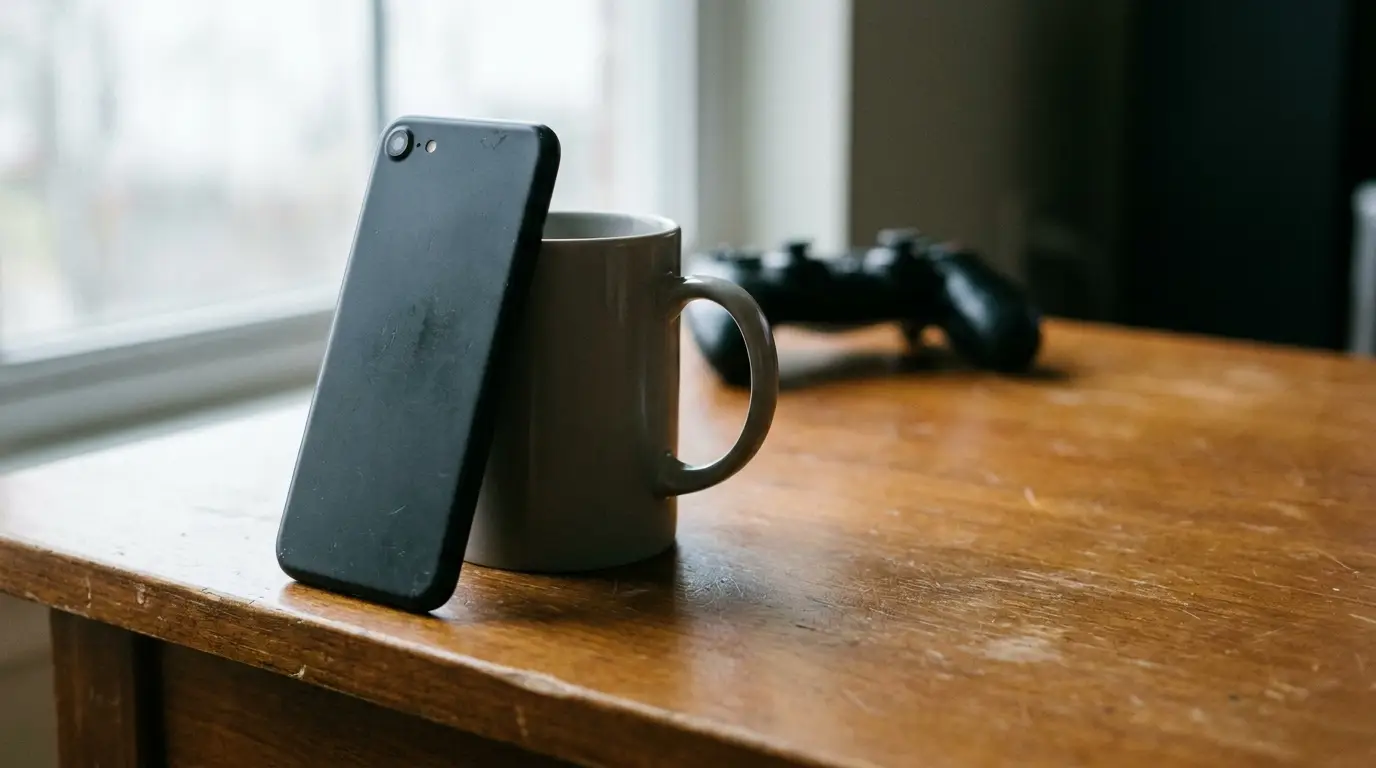
The market figures reinforce mobile’s place in the medium without proving it is superior to every other platform. Newzoo forecasts global mobile gaming revenue of $121.1 billion in 2026, ahead of console at $46.9 billion and PC at $45.9 billion. Those numbers make it difficult to dismiss phone-based play as a peripheral activity, even though different devices still offer distinct strengths.
Mobile also belongs to a wider cross-platform ecosystem rather than a sealed-off category. Apple has documented that cloud gaming expands access on mobile devices to games historically associated with consoles and computers, while mobile storefronts offer a broad range of genres and business models. Controls, screens, and performance still influence the experience, but they no longer divide players into completely separate audiences.
That change shifts the conversation away from which device counts as authentic. A console can suit one kind of evening, while a phone can support another way of engaging with the same hobby. The more useful measure is the player’s agency: choosing the device and degree of commitment that fit the moment.
Digital purchases follow that same context-first approach. Digital marketplaces like Eneba offer deals on digital products, including game keys, gift cards, and top-ups, while listings can show region and platform information. For players deciding where and how gaming fits into their routine, those details help connect a deliberate purchase with a deliberate way to play.















