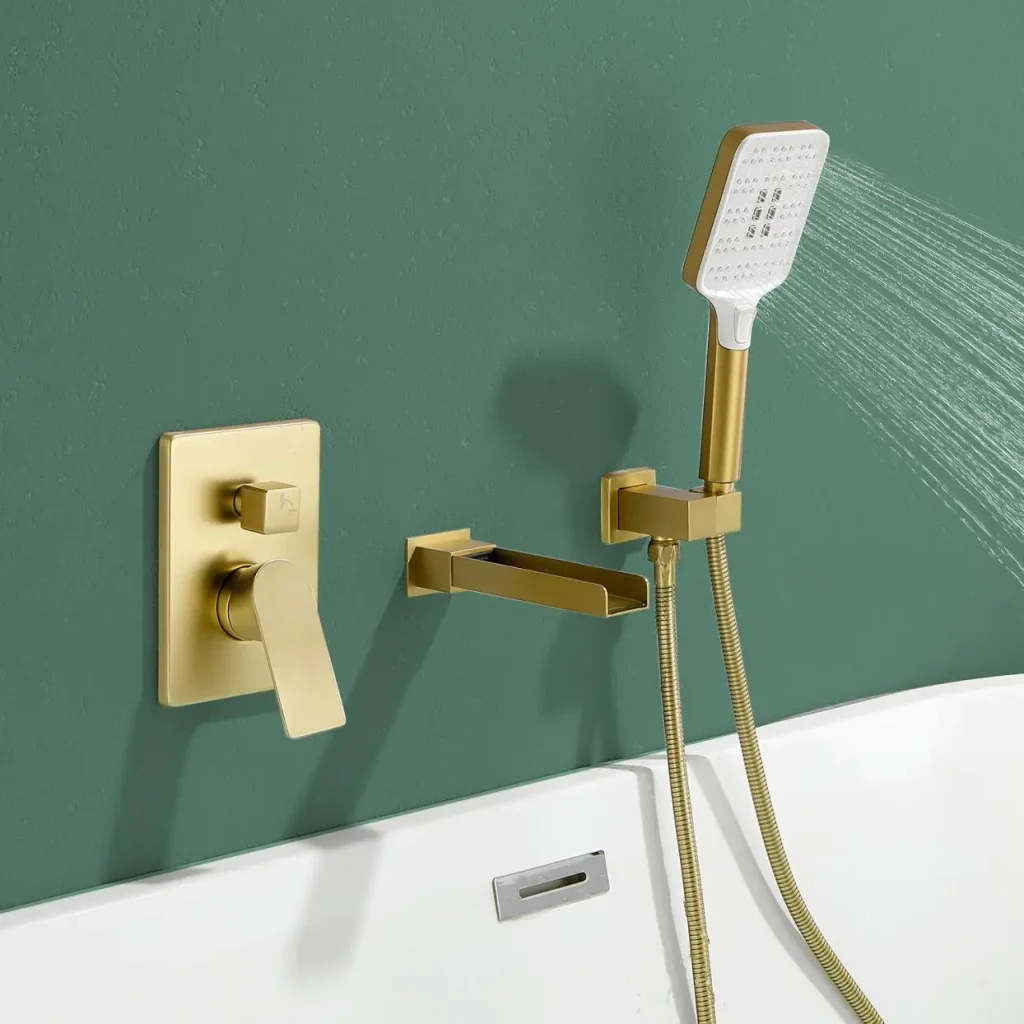
Be it a leaky bathtub faucet or one that doesn’t work as it should, it’s more than a nuisance; it could cost you extra water bills and probable water damage. A common cause of leaky faucet issues is usually a worn-out cartridge. Replacing a bathtub faucet cartridge might seem daunting, but it is a task that most homeowners can tackle if the right tools and guidance are provided. This guide will take you through the steps involved in undertaking the task so that you are confident and know what to do if you carry out a bathtub faucet cartridge replacement to put your bathroom into peak functionality.
Why Replace Your Bathtub Faucet Cartridge?
A cartridge in a faucet is in charge of regulating the water flow and temperature. Over some time, cartridges may deteriorate because of mineral buildup, rust, or normal usage. Signs that it’s time to replace the cartridge include:
- Constant dripping or leaking
- Difficulty adjusting water temperature
- Reduced water flow
Replacing the cartridge can restore your faucet’s function and prevent unnecessary water waste.
Tools and Materials You’ll Need
l Before you begin the replacement procedure, make sure to collect the tools and materials listed below:
l Screwdriver (Phillips or flathead, depending on your faucet)
l Allen wrench
l Adjustable wrench or pliers
l Cartridge puller (optional but helpful)
l Replacement cartridge (ensure it matches your current model)
l Plumber’s grease
l Towels or rags
Pro Tip: Before purchasing a replacement cartridge, check the manufacturer’s model number, usually found in the faucet’s manual or on the manufacturer’s website. This ensures you get the correct part.
Step-by-Step Guide to Replacing a Bathtub Faucet Cartridge
1. Cut off the water flow: Turn off the water source to your bathroom before beginning. You can achieve this by shutting off the main or specific supply valve.
2. Remove the Faucet Handle
Locate the screw that fastens the handle. The ornamental cap might hide this screw.
Use a screwdriver or Allen wrench to loosen the screw and carefully take off the handle. Put it away to avoid damage.
3. Remove the Escutcheon Plate: The Escutcheon plate is a flat, circular piece that encircles the faucet handle and conceals the wall hole.
Detach the escutcheon plate by turning it and carefully removing it from the wall.
If it’s caught because of caulk, carefully cut through the sealant with a utility knife.
- Access the Cartridge Once the escutcheon plate is removed, you should see the cartridge secured by a retaining clip or nut.
Utilize pliers or an adjustable wrench to eliminate the retaining clip or nut.
In case the cartridge becomes stuck, employ a cartridge puller to carefully remove it.
- Inspect and Replace the Cartridge
Examine the old cartridge alongside the new one to confirm they are identical.
Put the Plumber’s grease on the new cartridge’s O-rings. This will help form a waterproof seal and simplify future removal.
To guarantee proper alignment, place the new cartridge in the faucet. Typically, cartridges have a notch or guide to help with alignment.
- Secure the Cartridge
Reinstall the retaining clip or nut to hold the new cartridge in place.
Ensure it’s secured but not overly tightened, which can damage the cartridge.
7. Reassemble the Faucet
Reattach the escutcheon plate and fasten it in place using screws.
Reattach the handle to the faucet and secure the handle screw.
Reattach the decorative cap to your handle by snapping it back into place.
8. Turn On the Water Supply and Test. Once the faucet is reassembled, turn the water supply back on.
Slowly turn the handle to check for leaks and ensure the faucet functions appropriately.
Test both the temperature control and water flow.
Common Mistakes to Avoid
Not Turning Off the Water: Always double-check that the water supply is off before starting to avoid water damage.
Skipping the Plumber’s Grease: Using the Plumber’s grease can prevent leaks and also simplify future maintenance tasks.
Using the Wrong Cartridge: To prevent compatibility problems, make sure the new cartridge is the same as the old one.
When to Call a Professional
If you have difficulty removing the cartridge or are experiencing ongoing leaks even after replacing it, you may need assistance from a qualified plumber. They can identify concealed problems and ensure that your faucet is working correctly.
Maintenance Tips for Your Bathtub Faucet
To prolong the life of your new cartridge and keep your faucet in top condition:
Regularly clean your faucet to prevent mineral buildup.
Check for leaks periodically and address them early.
If you live in an area with hard water, use a water softener, as this can reduce mineral deposits.
Final Thoughts
Replacing a bathtub faucet cartridge is relatively easy, saves time and money, and helps conserve water. By adhering to these instructions and utilizing the correct equipment, you can successfully complete this DIY task and enjoy a fully functional bathtub faucet. Visit your local hardware store or check out online stores to find high-quality bathtub faucet cartridges and other essential plumbing supplies.
Otherwise, prepare and be patient, and your bathtub faucet will work and be new in no time.