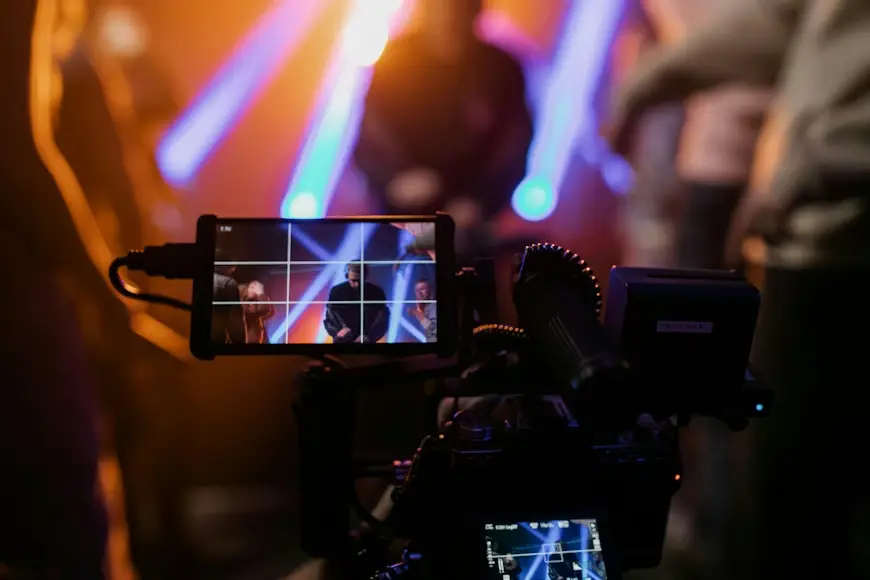
Statista reports that video has become one of the most popular online formats. As of the second quarter of 2025, music videos were the most-watched video content type.
Musical performances are very special; they convey emotions and thoughts through not just the lyrics, but also through the musical notes, settings, and more. So it’s no wonder that they’re so widely watched by users all over the world.
This means that you can shoot a performance video on a budget and still have it resonate with audiences. Here are the steps you should take.
Set a Clear Creative Brief Before You Film
Start with a simple yet focused creative brief that clearly defines the purpose of your performance video. You should outline:
- Mood
- Visual style
- Story (if any)
- How the performance should feel to viewers
Other things you should decide include:
- Tone (e.g., intimate, energetic, or cinematic)
- Color palette
- Framing preferences
Determining your target platform is good, too. Format and pacing will differ, whether it’s on social media, YouTube, or just for portfolio use.
Clarity here can prevent wasted time and reshoots. If you find it’s all too much for you to handle on your own, then an affordable full-service production studio can carry out your wishes.
Plan a Tight, Efficient Shot List
A well-planned shot list can be a huge cost-saver. Break your performance into key moments and assign specific shots to each:
- Wide
- Medium
- Close-ups
You want enough variety to keep the editing engaging. However, you don’t want to shoot endlessly either.
Prioritize essential shots first in case time or light runs out. You can also include movement ideas like handheld tracking or simple pans to add energy without having to use expensive gear.
Use Natural Light and Practical Lighting Creatively
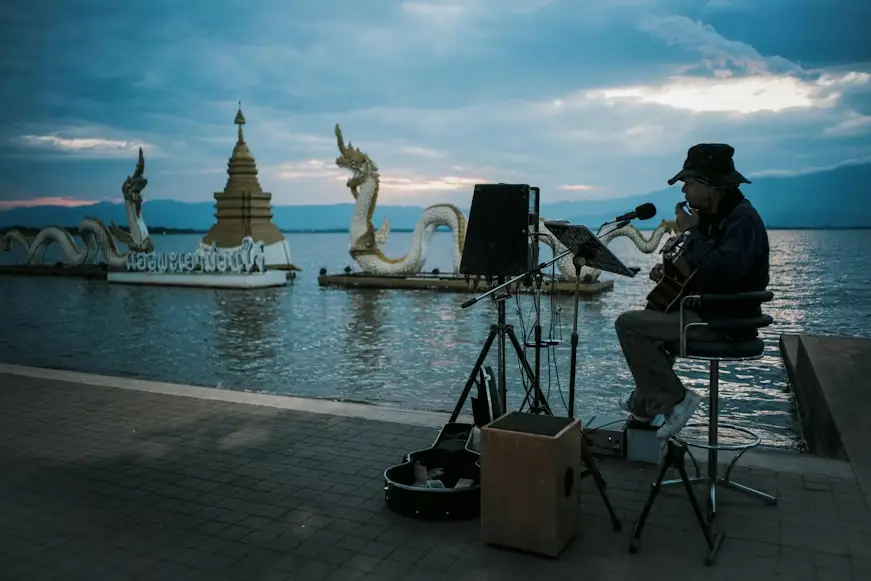
You don’t need expensive lighting for a video to look good. Natural light (especially during golden hour) can give your shots a polished and cinematic feel.
To take advantage of natural sunlight, position your subject near windows or shoot outdoors with the sun as your key light. Complement it with the following to add depth and visual interest:
- Lamps
- String lights
- Neon signs
Just make sure to avoid harsh overhead lighting and use reflectors to bounce light back onto your subject.
Capture Clean, Usable Audio
Audio is just as important as visual. Prioritize clean sound; if possible, record audio separately using an external recorder or a smartphone placed close to the performer. You can also try lavalier mics and budget shotgun mics to dramatically improve clarity without breaking the bank.
The following can be hard to fix in post, so make sure these aren’t in the takes if possible:
- Traffic
- Wind
- Echo
If you’re syncing to a pre-recorded track, then use a clap or slate to align audio easily in editing.
Choose Free or Low-Fee Locations Strategically
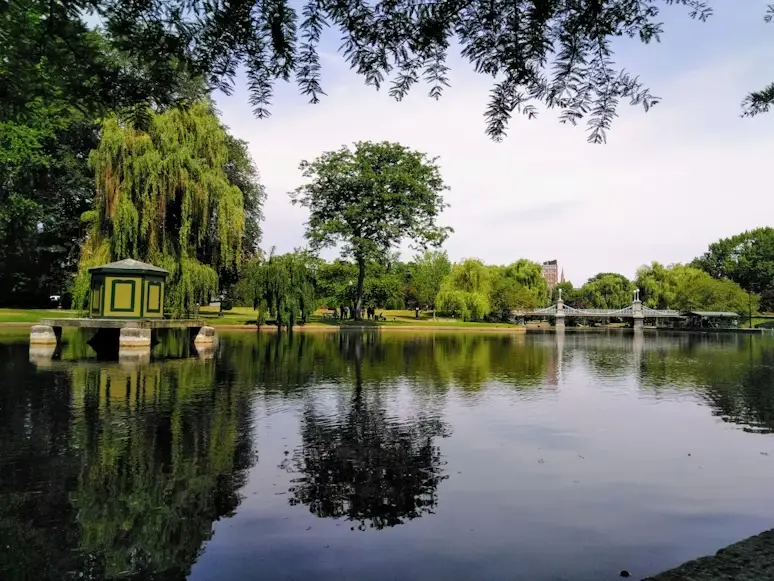
Look for visually interesting spaces, such as:
- Public parks
- Empty parking lots
- Rooftops
- Your own home
When selecting a spot, consider texture, lighting, and background noise.
You should always check if permits are required, too. Some public areas may have restrictions on filming. For private spaces, get written permission to avoid issues later.
For maximum efficiency, aim for locations that offer multiple looks in one place. A single well-chosen location can provide enough variety for an entire video, helping you save on time, energy, and money.
Edit for Rhythm Across Vertical and Widescreen Formats
Editing can take a performance video from good to great. Use pacing to maintain viewer engagement, and cut your footage to match the rhythm and energy of the music or performance.
If you want to publish on multiple platforms, then frame your shots with both vertical (9:16) and widescreen (16:9) in mind. This might mean keeping important action centered so it works in both formats.
To enhance flow without overcomplicating the edit, use simple transitions like:
- Cuts
- Fades
- Occasional speed ramps
You’d be surprised at what free or low-cost editing software can do when used thoughtfully.
Cover Legal Basics and Safety on Set
Even if it’s a small production, you should still consider legal and safety basics. As we’ve said before, get written permission for locations, and you should also have performers sign a simple release form so you can use the footage publicly.
Avoid using copyrighted music unless you have the rights or are using original audio. Also, be mindful of public filming laws in your area.
As for safety, keep your setup stable by:
- Securing tripods
- Managing cables
- Avoiding risky stunts or unstable surfaces
If you’re filming outdoors, then watch for weather changes and protect your gear accordingly.
Shoot an Engaging Performance Video
You don’t necessarily have to go all out to shoot an engaging performance video. All the tips in this article can be done with little to no spending, and the results will be phenomenal, too.
For more music articles, keep browsing our website now.