If you have gel polish that will not budge, acetone can help loosen it so you can remove it more easily.
But the big question is, how long to soak nails in acetone without harming your natural nails? In most cases, gel nails need about 10 to 15 minutes of soaking.
Thicker gel, glitter polish, or older manicures may need a little more time. The key is to be patient and not scrape too hard.
I have learned that rushing this step usually leaves nails feeling weak and rough.
In this guide, you will learn the right soaking time, safe removal steps, common mistakes to avoid, and simple aftercare tips to keep your nails looking healthy.
What You Need to Know Before Soaking
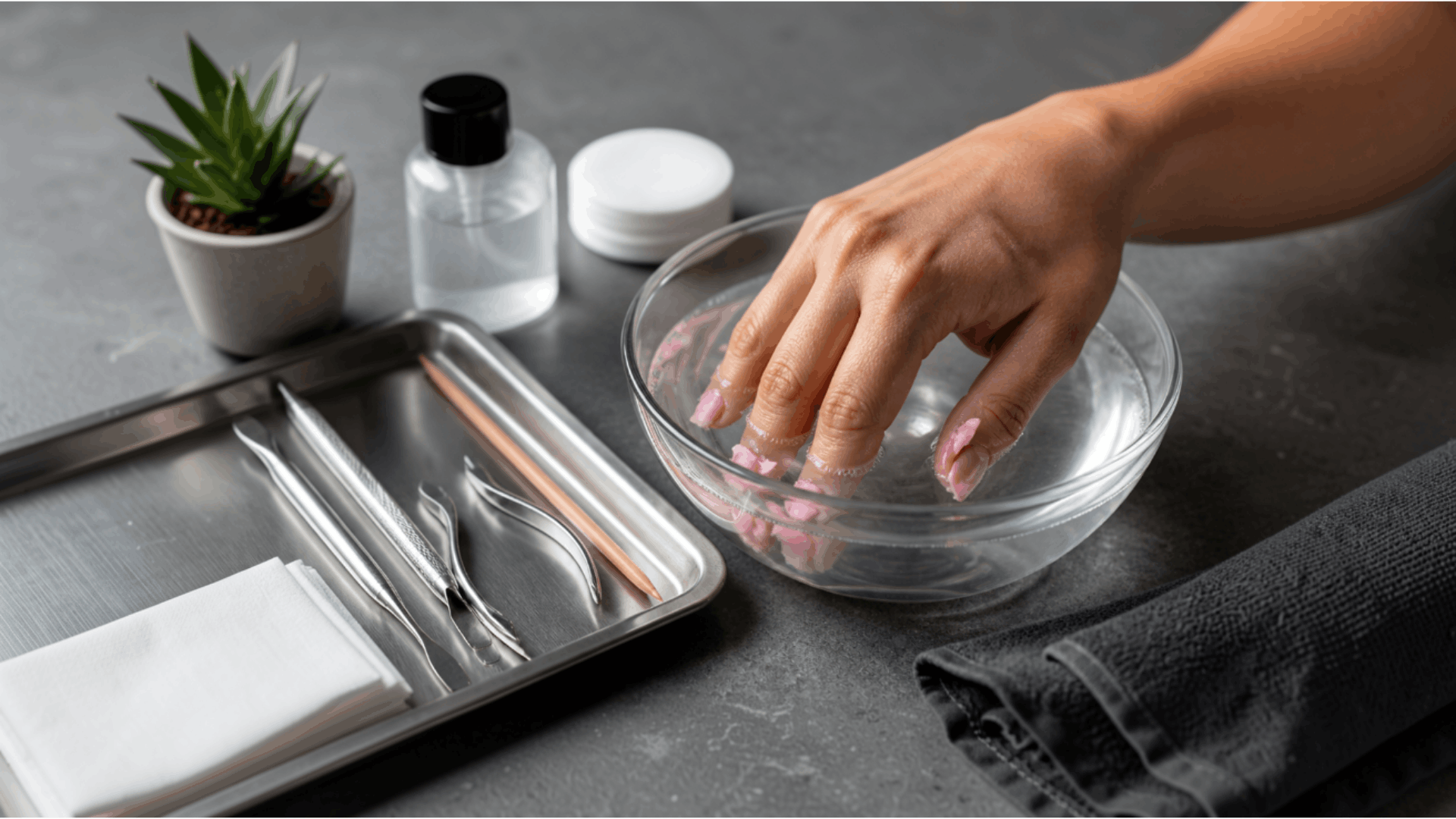
Before you start soaking your gel nails in acetone, it’s important to gather everything you need and prepare your nails properly.
Having the right tools and preparing your nails ensures the acetone works effectively, prevents damage to your natural nails, and makes removal faster and cleaner.
Taking a few minutes to get ready can save you frustration and protect your nail health.
Tools and Supplies
To remove gel nails successfully, you’ll need a few basic supplies. First, pure acetone is essential to dissolve the gel. Cotton pads or balls will hold the acetone on your nails, and aluminum foil or nail clips help keep them in place.
Optional tools like a nail file and cuticle stick can make gentle removal easier without damaging your nails. Having all these items ready ensures a smooth and safe process.
Recommended Products:
Note: Set everything up first, because foil-wrapped fingers are hard to work with.
Preparing Your Nails
Before soaking, start by removing any topcoat or polish on your gel nails. Trim any excess gel if possible to reduce soaking time.
Lightly buffing the surface of the gel helps the acetone penetrate more effectively.
Preparing your nails properly allows the gel to lift more easily, reduces the risk of peeling or splitting your natural nails, and makes the whole removal process faster and safer.
Quick Tips:
- Remove polish or topcoat
- Trim excess gel if possible
- Buff lightly for better acetone penetration
How Long to Soak Nails in Acetone
Knowing the right amount of time to soak your nails in acetone is key to safe and effective gel removal.
Soaking for too short a time may leave gel stuck on your nails, while soaking for too long can dry or weaken your natural nails.
The ideal soak time depends on the thickness of the gel, the condition of your natural nails, and the temperature of the acetone.
Following the proper timing helps the gel lift easily without scraping, reduces damage, and keeps your nails healthy.
Standard Soak Times
For thin layers of gel, soaking nails for about 10–15 minutes is usually enough to soften the gel and make it lift easily.
Thicker or layered gel nails often require 15–20 minutes. These standard times help prevent scraping and minimize damage to natural nails.
It’s important to check periodically to see if the gel is lifting and adjust the time slightly if needed, ensuring safe and effective removal.
Adjusting Based on Nail Type
Soak time can vary depending on factors such as the strength of your natural nails, the number of gel layers, and the temperature of the acetone.
Delicate or thin nails may need slightly less time to avoid drying out, while thicker gels or older layers might require extra minutes.
Observing your nails during the soak ensures you remove gel safely without harming the natural nail, keeping them strong and smooth.
The exact soaking time can change based on the type of nail product you have, so use this simple table as a quick guide.
| Nail Type | Soaking Time |
|---|---|
| Regular gel polish | 10–15 minutes |
| Thick gel polish | 15–20 minutes |
| Glitter gel polish | 15–20 minutes |
| Dip powder | 20–30 minutes |
| Acrylic nails | 20–30 minutes or more |
Why Acetone Works on Gel Nails
Acetone works because it helps break down the hard layers in gel polish. Gel nails are made to stay strong and shiny, so regular nail polish remover is often too weak to remove them well.
Pure acetone is stronger, so it can soften the gel faster and help it lift from your natural nail. That is why many people use cotton pads soaked in acetone and wrap them with foil.
The foil keeps the acetone in place and helps it work better. Once the gel becomes loose, you can gently push it off without pulling or scraping too hard.
This makes the removal process safer and easier.
Step-by-Step Gel Nail Removal
Removing gel nails at home is easiest when you follow a structured step-by-step approach. Each step ensures your natural nails stay healthy and undamaged while the gel comes off cleanly.
From protecting your skin to post-removal care, this process reduces the risk of dryness, peeling, or scratches.
Taking your time with each step and monitoring the gel’s softness ensures safe and efficient removal.
1. Protect Skin
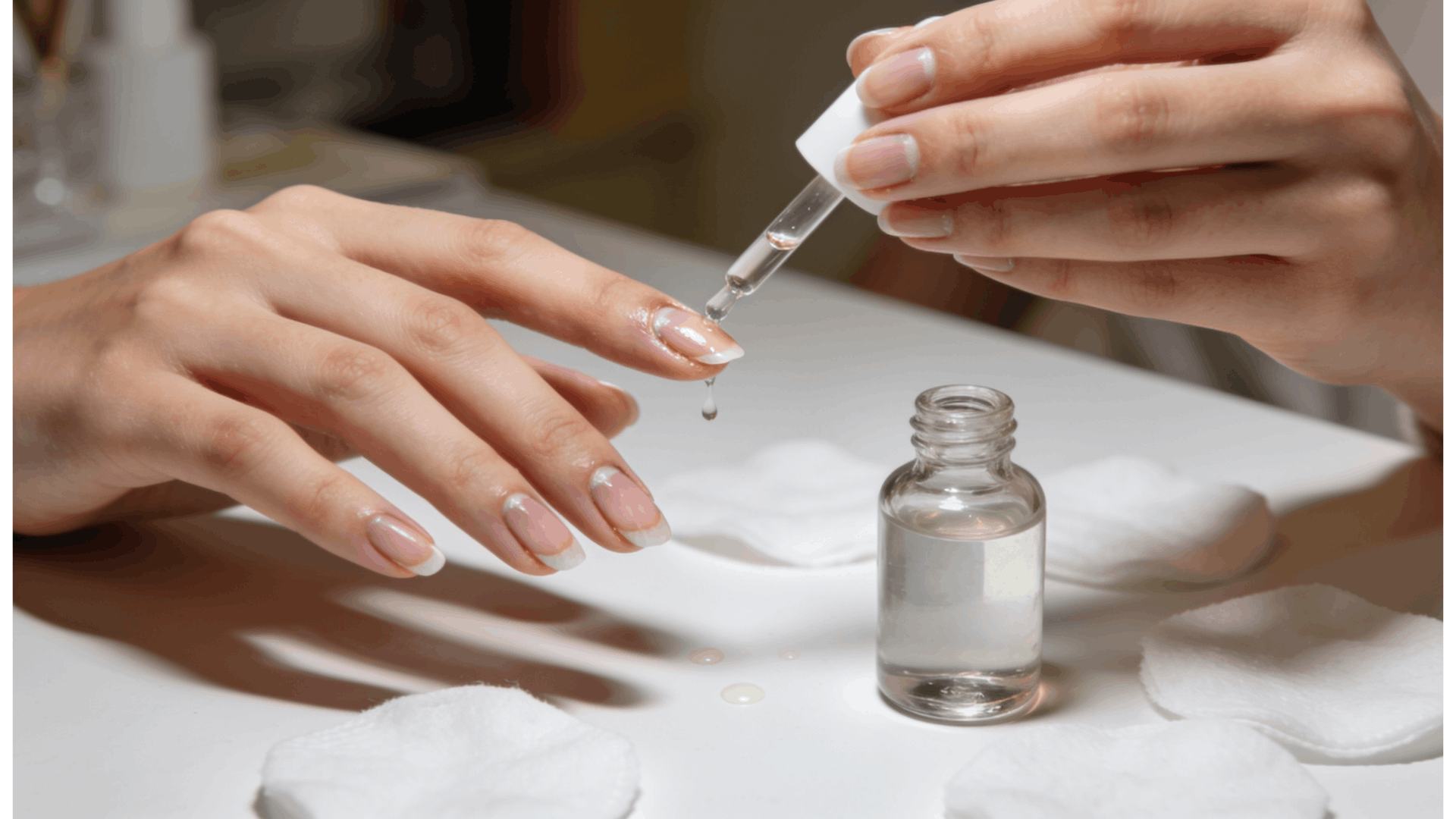
Before soaking your nails, this shields the skin around you from the drying effects of acetone and helps prevent irritation.
Protecting your cuticles ensures they remain soft and creates a barrier that makes the soaking process cleaner and safer for your hands.
This small step saves your skin from unnecessary dryness and discomfort.
2. Apply Soaked Cotton
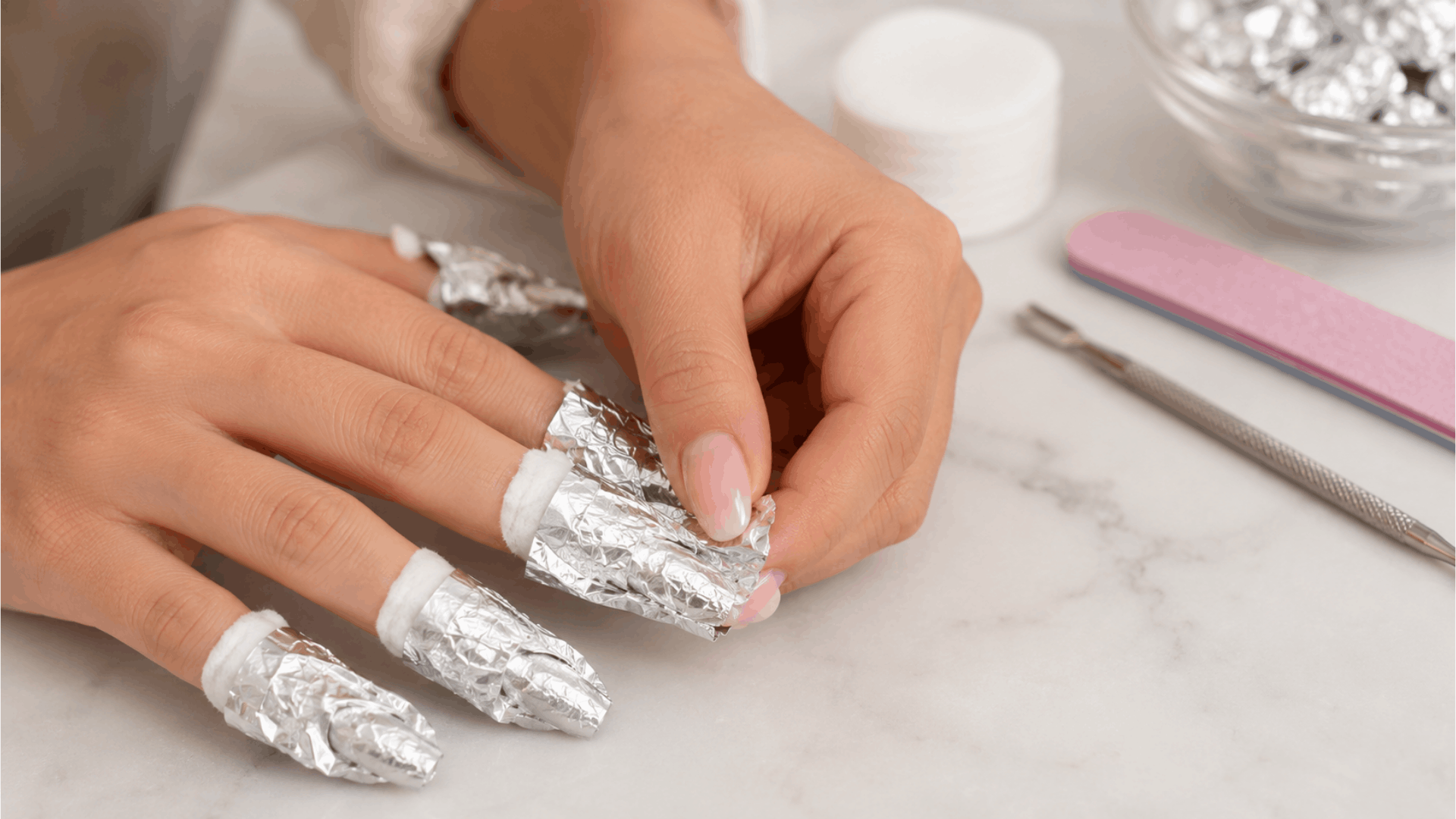
Soak cotton pads or balls in pure acetone and place one over each nail. Wrap the nails with aluminum foil or secure them with nail clips.
This keeps the acetone in constant contact with the gel, softening it evenly.
Proper wrapping ensures consistent results, prevents evaporation, and helps the gel lift without scrubbing, making removal safer and more efficient.
3. Wait For the Correct Time
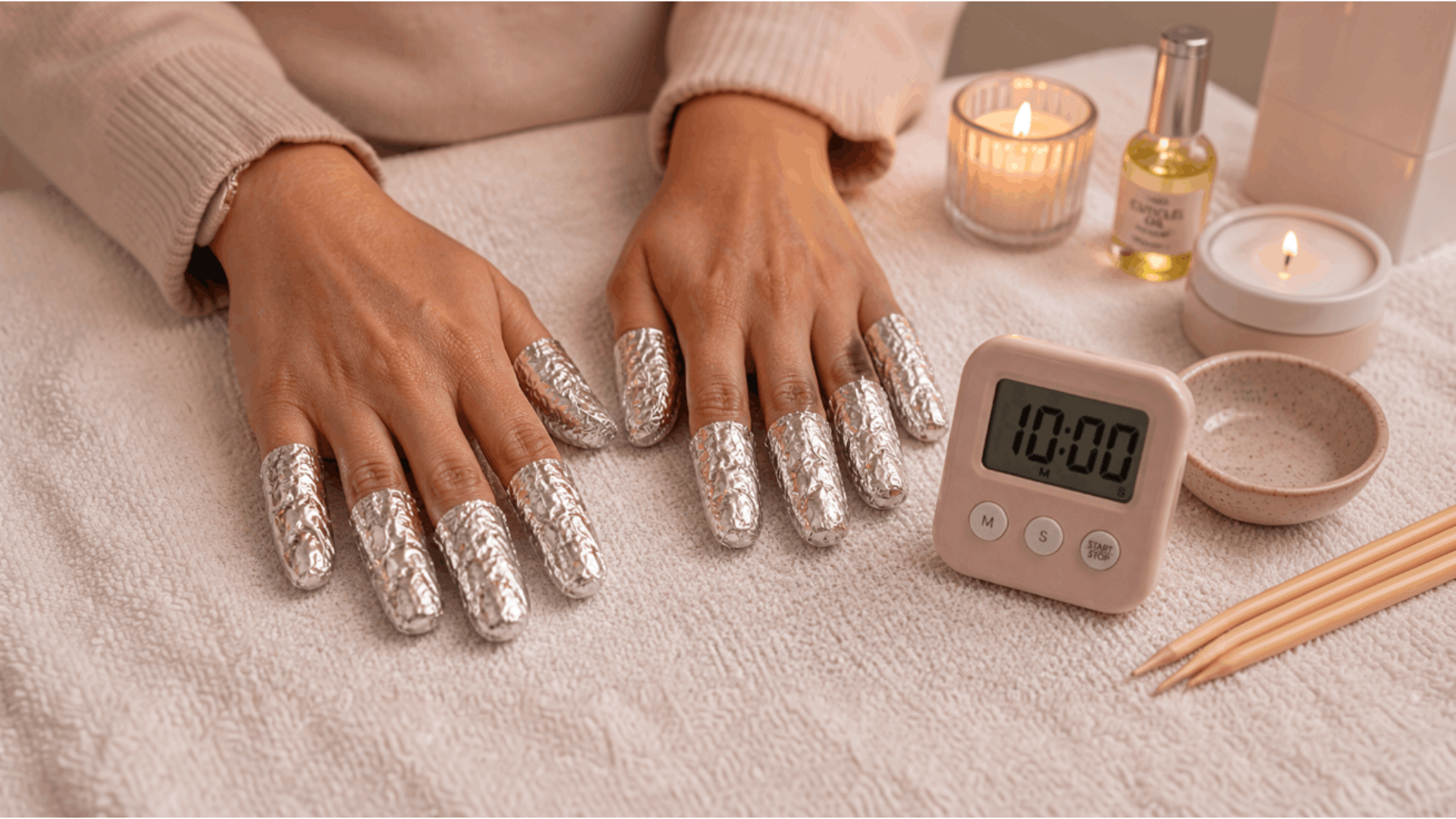
Leave the acetone-soaked cotton on your nails for the recommended time, usually 10–20 minutes, depending on gel thickness.
Check your nails periodically to see if the gel is softening and lifting. Avoid over-soaking, as extended contact with acetone can dry out your nails and cuticles.
Patience during this step ensures the gel comes off easily without harming your natural nails.
4. Remove Gel Carefully
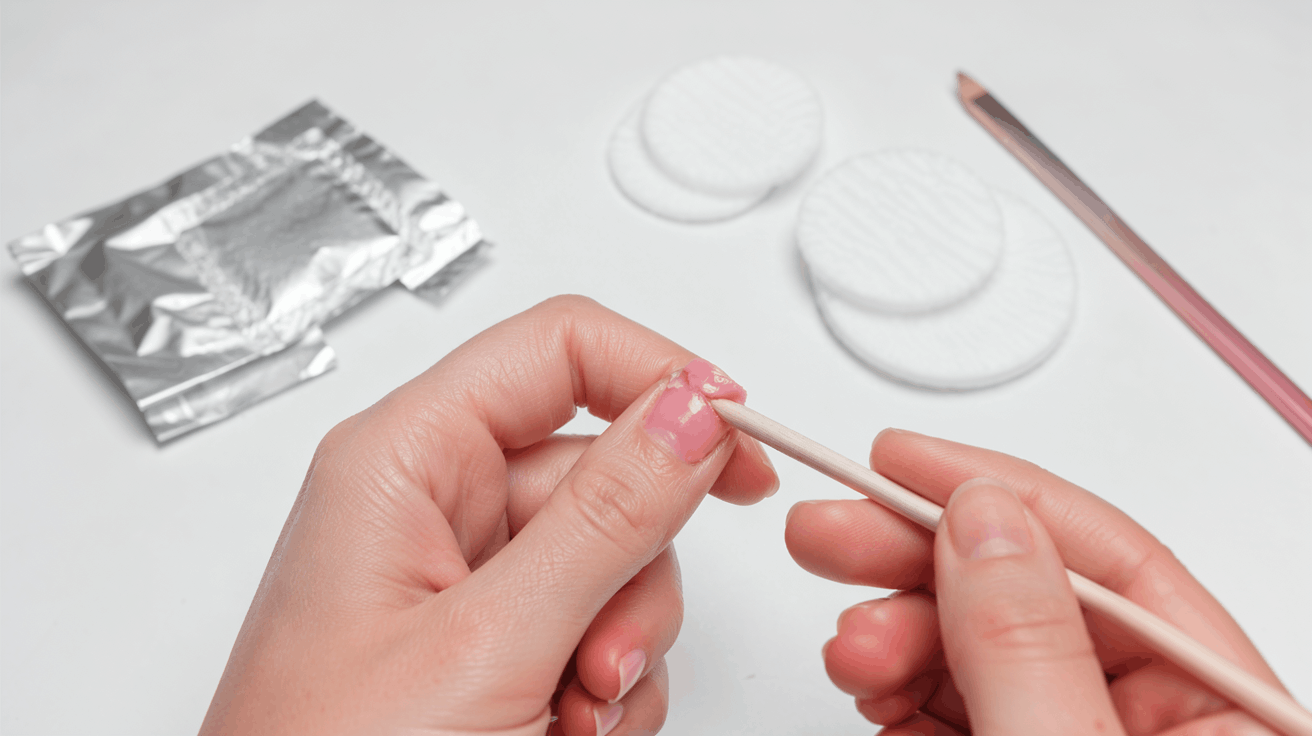
Once the gel has softened, gently lift it using a cuticle stick or wooden pusher. Avoid forcing or scraping the gel off, as this can damage the natural nail surface.
If any gel remains, rewrap and soak briefly instead of applying extra pressure.
Being gentle preserves nail strength and ensures a smooth surface ready for moisturizing or your next manicure.
5. Post-Removal Care
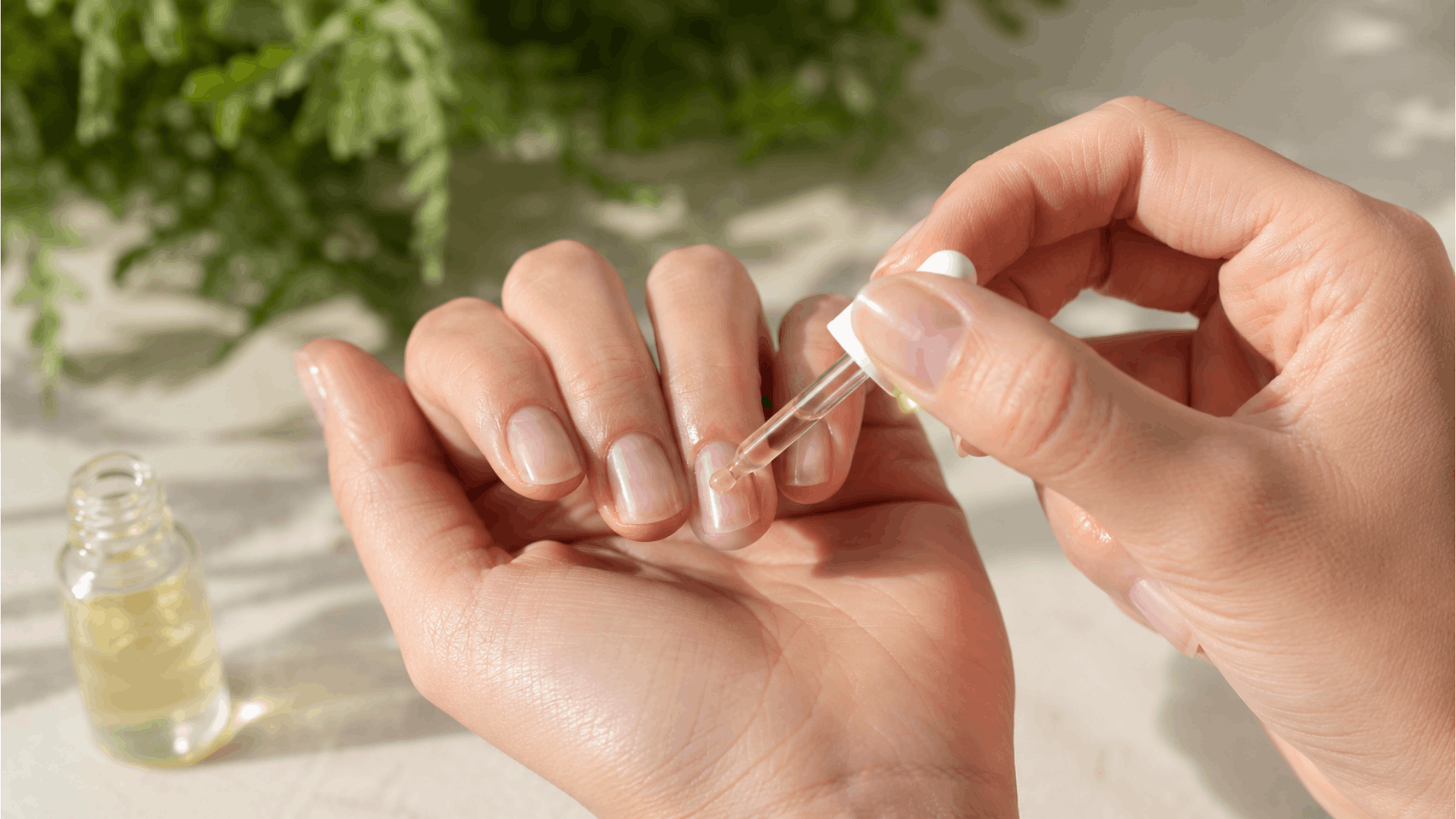
After all gel has been removed, wash your hands thoroughly to remove acetone residue. Apply cuticle oil and a rich moisturizer to rehydrate nails and surrounding skin.
Giving your nails a few minutes of care helps restore hydration, strengthen the nail bed, and prevent dryness or brittleness.
Proper aftercare helps maintain healthy, strong nails for your next manicure.
What Happens if You Soak Nails Too Long?
Soaking nails in acetone for too long can make your nails and skin feel very dry. Acetone removes oil from the nail area, so your nails may look dull, rough, or flaky after a long soak.
Some people may also notice white patches on the nail surface, peeling around the cuticles, or brittle nails that bend or break more easily.
This does not mean your nails are ruined, but it does mean they need care.
Try not to soak longer than needed. Check your nails after 10 to 15 minutes, and only add more time if the gel is still stuck.
Avoid These Common Gel Nail Mistakes for Healthier Nails
Small mistakes during acetone soaking can make gel removal harder and more damaging to your nails. Most problems happen when you rush, skip prep, or try to pull the polish off before it is ready.
The good news is that these mistakes are easy to avoid. Use the table below as a simple guide for safely removing gel nails at home.
| Mistake | Better Choice |
|---|---|
| Skipping the filing step | File the shiny top layer first. |
| Using weak polish remover | Use pure acetone. |
| Pulling gel polish off | Let it soften, then remove gently. |
| Soaking too long | Check nails after 10–15 minutes. |
| Forgetting cuticle oil | Apply cuticle oil after removal. |
| Re-soaking all nails for one stuck nail | Rewrap only the stuck nail for 5 more minutes. |
- When Acetone May Not Be the Best Choice: If nails are weak, thin, peeling, or on broken skin, avoid it, especially if acetone causes itching or redness. Don’t remove nails hurting or infected at home; seek a nail tech or doctor for safe removal.
- A Trick I’ve Picked Up From Fellow Nail Enthusiasts: A trick from nail enthusiasts is to warm acetone slightly before use, by placing the bottle in warm water, not direct heat. This helps the gel soften faster and makes the foil-wrap method less cold and easier to handle.
Good to Know: Pure acetone works faster, but it can dry your nails. Keep cuticle oil nearby before you start.
How to Care for Nails After Acetone
After using acetone, your nails may feel dry, weak, or a little rough. This is normal because acetone removes natural oils from your nails and skin.
The best thing you can do is give your nails some moisture and a short break. I always think of this step like skincare for your hands.
You would not wash your face and skip moisturizer, right? Nails need the same kind of care after gel removal.
A few simple steps can help them feel smoother, look cleaner, and stay stronger while they recover.
- Wash your hands gently with mild soap and water.
- Apply cuticle oil around each nail.
- Use a rich hand cream after washing.
- Avoid new gel polish for a few days if your nails feel weak.
- Keep nails short while they recover to prevent breaking.
To Sum Up
So, how long to soak nails in acetone? For most gel nails, 10 to 15 minutes is enough. If the gel is thick, glittery, or very stubborn, you may need 15 to 20 minutes.
The safest rule is simple: if the polish does not lift easily, do not force it. Rewrap the nail and give it a little more time.
Acetone works well, but it can dry your nails and skin, so aftercare is important. Use cuticle oil, hand cream, and give your nails a short break if they feel weak.
With the right steps, you can remove gel polish at home without making your natural nails look rough or damaged.
Try the foil-wrap method first, and keep cuticle oil nearby for easy nail care.
Frequently Asked Questions
Can I Soak Nails in Acetone for 30 Minutes?
Yes, you can, but it is better to check every 10 to 15 minutes. Long soaking may dry your nails, skin, and cuticles.
Is Acetone Bad for Natural Nails?
Acetone is not always bad, but it can be drying. Use it carefully, then apply cuticle oil and hand cream afterward.
Can I Remove Gel Nails without Acetone?
Yes, but non-acetone methods may take longer. Peeling or scraping gel polish can still damage your natural nails, so be gentle.
Should I Use Pure Acetone or Nail Polish Remover?
Pure acetone works faster for gel polish. Regular nail polish remover is usually weaker and may not remove gel nails well.