


Game creators face a useful choice before pressing record: build around the immediacy of a live session or shape gameplay into a finished video. Each format serves a distinct audience purpose, and neither needs to replace the other. A smart plan starts with the type of relationship and viewing experience a creator wants to cultivate. The choice should serve the idea, the creator’s time, and viewers’ habits.
Live Streaming Builds a Shared Space
Live streaming puts the creator and audience in the same moment. Chat reactions and informal conversation turn a play session into a shared event, while recurring traditions can give viewers a reason to return. A creator planning a new series can browse cd keys at Eneba for games to feature, then let the live response guide future episodes.
This format has its best use in participation rather than polish. YouTube defines live streaming as real-time video with live chat and audience interaction, and it supports mobile, webcam, encoder, and direct console methods. Twitch analytics can track average viewers, follows, chat messages, clip creation, and clip views. That feedback can shape the next session’s focus, but direct exchange also demands attention during play.
Recorded Videos Shape the Finished Idea
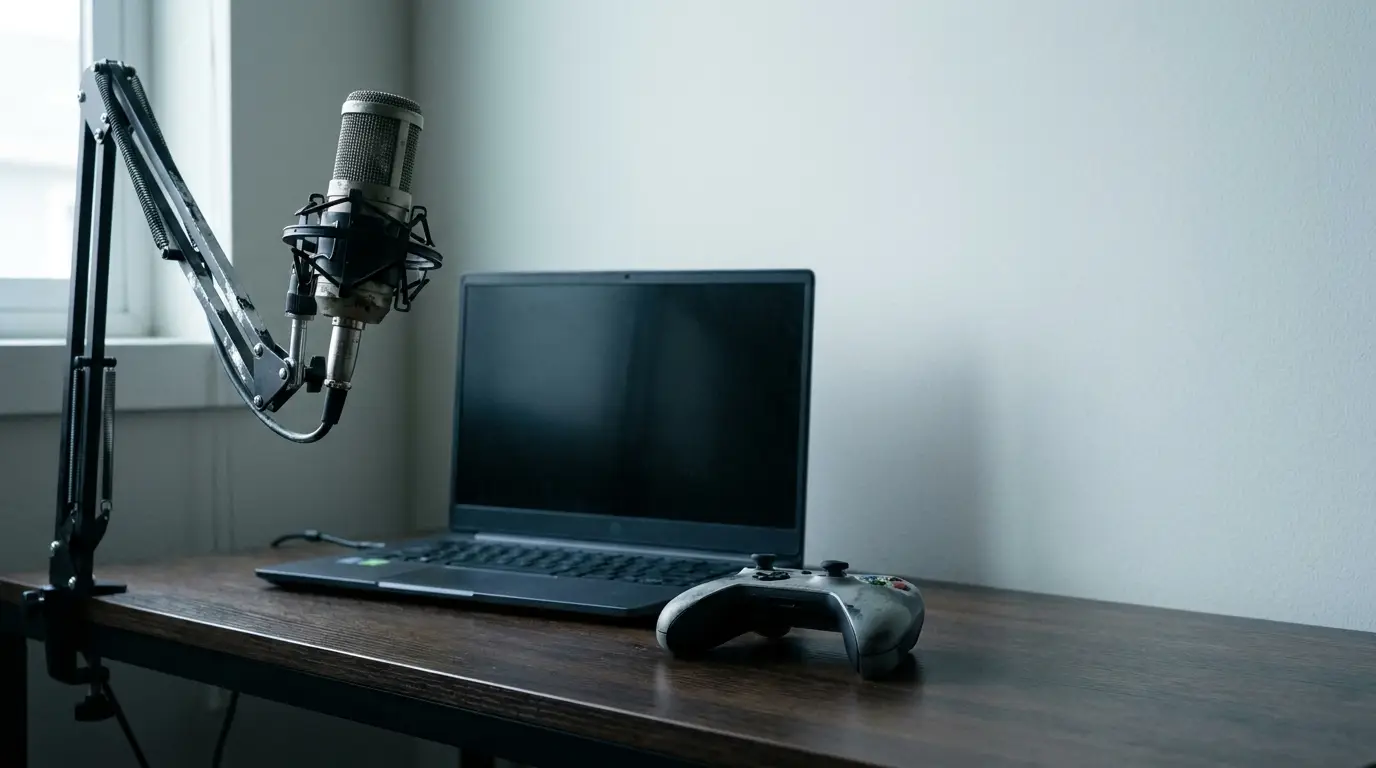
Recorded videos give game creators control over pacing and over how a finished idea is framed. Editing can remove downtime, clarify a strategy, or frame a reaction around a larger point. Thumbnails and titles can also signal what viewers will find before they press play.
Recorded uploads can remain available for viewers who want a clear guide or a focused piece of commentary on a game and can give creators a place to collect distinct takes. That availability creates a potential route for discovery and revisits, while a polished format respects viewers who cannot join a scheduled broadcast. YouTube Analytics includes watch time, average view duration, audience-retention reports, and end-screen click-through data. These measures help a creator refine the next upload.
CD keys are codes that buyers use to activate digital games after purchase. On the platform, clear region details offer useful context before a buyer chooses a version. It also keeps the shopping step connected to the creative plan.
A Hybrid Workflow Extends Each Session
The practical answer is a workflow that lets each format do its own job. A longer live session can produce highlights, clips, a guide, or a commentary video after the broadcast. Twitch describes highlights as curated selections from past broadcasts that can draw attention to chosen content when the creator is offline.
Archives need a plan, not an assumption of permanent availability. YouTube can automatically archive streams shorter than 12 hours, though local recordings provide a backup. Twitch storage periods vary by account type and platform rules. Creators who preserve standout material promptly have more control over what they can reuse.
A sustainable schedule should match the time available for preparation and follow-up work. Live streams can build familiarity through presence, while recorded work gives viewers clarity and convenience. A creator with limited time can publish fewer deliberate videos, then reserve live sessions for moments that benefit from audience participation. Once that purpose is clear, Eneba is a practical next step for selecting a game to support the next planned session or video, with regional compatibility and platform information available on product pages.


















