

Live music has always been about more than the sound. The best gigs, festivals, and afterparties are remembered because of the atmosphere around them: the lighting, the energy of the crowd, the journey into the venue, and the feeling that something temporary and unforgettable is happening in that exact moment.
In recent years, music events have become more imaginative than ever. A gig is no longer just a stage, a sound system, and a crowd. Artists, promoters, and festival organizers are increasingly looking for ways to build immersive environments that feel flexible, photogenic, and memorable. This is where inflatable event structures are beginning to play a much bigger role.
From pop-up dance floors to temporary VIP lounges, branded festival zones, and portable afterparty venues, inflatable structures are helping event planners create spaces that can appear almost anywhere. They are practical, visually striking, and surprisingly well suited to the modern music industry.
The Rise of Flexible Music Spaces
The traditional idea of a music venue is changing. While arenas, clubs, and theatres remain essential, there is growing demand for temporary spaces that can be created around a specific event, artist, or experience.
A festival might need an extra late-night dance zone. A brand may want to host a private listening party close to a main stage. A promoter may need a weather-protected space for guests, DJs, or sponsors. In many cases, building a permanent structure is unnecessary, expensive, or impossible.
Inflatable venues offer an alternative. They can be transported, set up, taken down, and reused for different events. For organizers working across festivals, tours, corporate music events, and outdoor parties, this flexibility is extremely valuable.
Brands like Got Inflatables are making this concept more accessible with products such as theinflatable nightclub, designed for parties, events, and entertainment spaces where atmosphere matters as much as function.
Why Music Events Need More Than a Stage
Audiences today expect experiences that feel shareable. This does not mean every event needs to be designed only for social media, but visual identity has become a major part of live music culture.
A festival entrance, chill-out zone, VIP area, or afterparty space can become part of the memory of the event. People take photos there, meet friends there, and associate that space with the overall energy of the night.
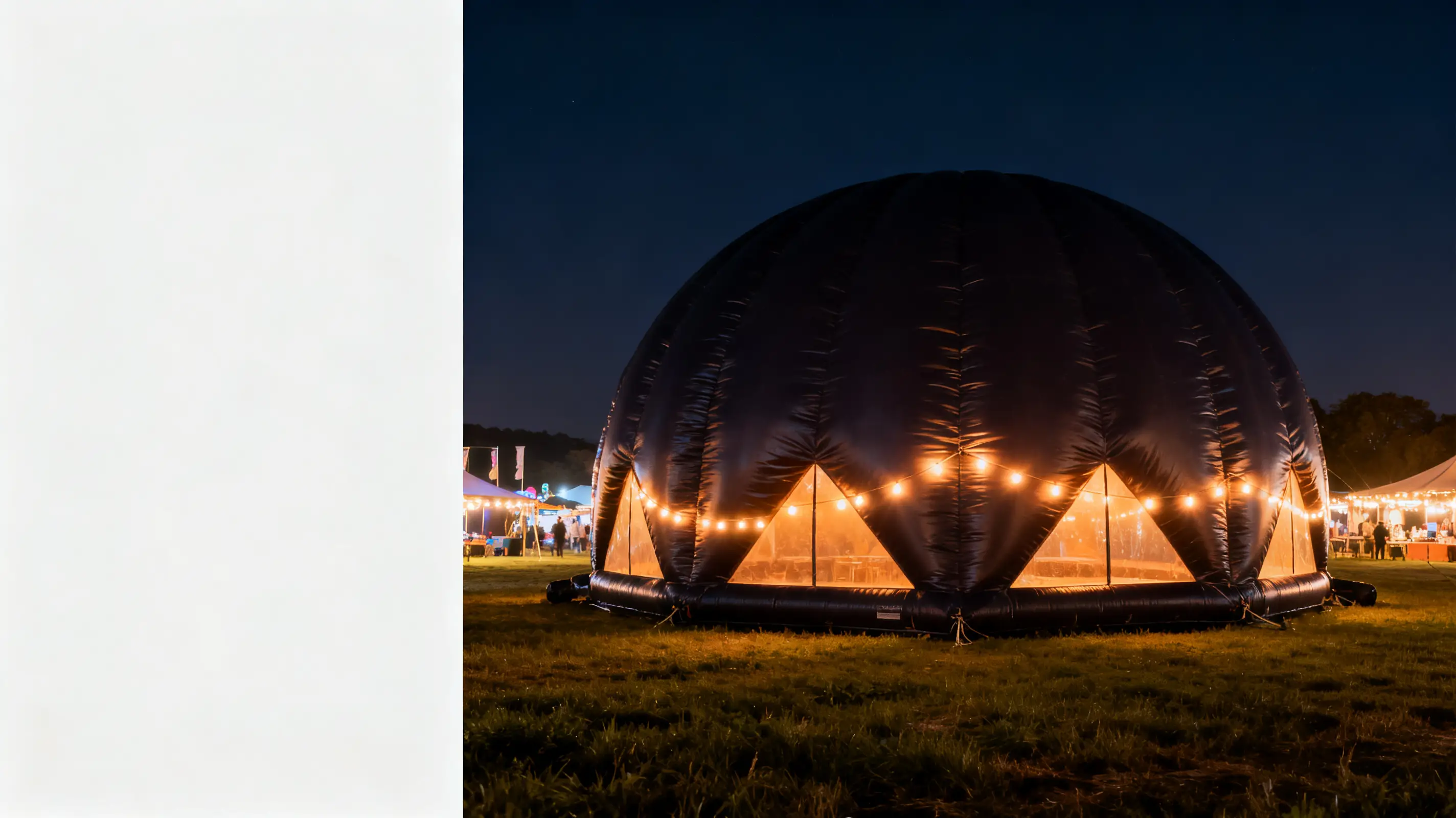
Inflatable structures can help create this kind of identity quickly. A dark inflatable nightclub with lighting effects can instantly feel like a destination within a larger event. A white inflatable dome can become a futuristic lounge, a sponsor activation area, or an intimate performance space. For electronic music, DJ sets, student events, private parties, and festival side stages, the visual impact can be especially strong.
The best event design makes people feel like they have stepped into another world. Inflatable venues are useful because they can transform empty outdoor areas, fields, courtyards, parking spaces, and private locations into event-ready environments.
A Practical Solution for Festival Organizers
Behind every successful music event is a long list of practical challenges. Organizers have to think about layout, guest flow, weather, storage, transport, setup time, branding, and budget. Even a small event can become complicated when multiple suppliers, performers, guests, and technical teams are involved.
Inflatable structures solve several of these problems at once.
They are easier to move than many traditional temporary structures. They can often be installed faster. They can provide shelter from wind or light rain, depending on the model and setup. They can also help separate different zones within a larger event without requiring heavy construction.
For festivals, this means inflatable spaces can be used for:
- VIP lounges
- DJ afterparty areas
- Brand activation zones
- Backstage hospitality
- Pop-up bars or chill areas
- Private listening sessions
- Temporary nightclub spaces
- Outdoor party installations
This kind of flexibility is especially useful for events that change location each year or promoters who want to reuse the same structure across multiple shows.
The Afterparty Economy
The music industry does not stop when the main set ends. In many cities and festivals, the afterparty is part of the culture. Artists, fans, managers, influencers, journalists, and brand partners often move from one event to another throughout the night.
For promoters, this creates an opportunity. A well-designed afterparty space can extend the life of an event, keep the audience engaged, and create a more exclusive experience. It can also become a valuable space for sponsors and partners.
An inflatable nightclub fits naturally into this environment because it can be placed close to the main event, adapted with lighting and sound, and designed to feel separate from the rest of the venue. Instead of hiring a traditional club, organizers can create a private party environment tailored to the event’s identity.
For independent promoters, this can open new possibilities. A smaller team may not have access to a permanent venue, but they may be able to build a temporary one in collaboration with landowners, festivals, universities, hotels, or private event spaces.
Better Branding Without Permanent Construction
Music events often depend on strong branding. Whether it is a festival, artist launch, album release, tour party, or corporate music event, the space needs to feel connected to the concept.
Inflatable structures can be customized with lighting, signage, projections, and décor. This makes them useful for events where visual storytelling is important. A black inflatable nightclub can feel underground and energetic. A white inflatable dome can feel clean, premium, and futuristic. A large inflatable tent can feel bold and festival-ready.
Because the structure itself is unusual, it already gives the event a talking point. Guests are more likely to remember entering an inflatable nightclub than walking into a standard marquee. That kind of detail matters in an industry where experience and word of mouth can help an event grow.
Not Just for Huge Festivals
One of the most interesting things about inflatable venues is that they are not limited to major festivals. They can also work for smaller music-led events, including private parties, university events, local DJ nights, brand launches, and community festivals.
For emerging promoters, this can be a way to create a professional-looking event without needing a permanent venue. For artists, it can help turn a release party or fan event into something more memorable. For brands, it offers a way to create a music-focused experience that feels different from a typical corporate activation.
The music industry often celebrates creativity on stage, but creativity in event production is just as important. The space around the performance can shape how people experience the music.
The Future of Live Events Is Temporary, Immersive, and Mobile
Live music will always need great artists, great sound, and great audiences. But the future of events will also depend on how creatively spaces can be built around those moments.
Inflatable venues are part of a wider shift toward temporary, flexible, and immersive event design. They allow organizers to think beyond traditional venues and create experiences in unexpected places. They can support the atmosphere of a music event while solving practical production challenges at the same time.
For festivals, afterparties, pop-up gigs, and brand-led music experiences, inflatable structures offer something rare: they are functional, reusable, and visually exciting.
As audiences continue to look for events that feel more personal, more atmospheric, and more memorable, the spaces around live music will become even more important. The stage may still be the heart of the night, but the venue itself is becoming part of the performance.