The DIY creator economy has changed dramatically in recent years. What once started as a hobby in a garage, basement, or spare room can now become a real business with global reach, loyal customers, and multiple income streams.
The Rise of the Maker Economy
A growing number of creators are proving that hands-on skills can be monetized in more ways than ever before. Whether they build furniture, design custom gadgets, make cosplay props, or produce handmade decor, they can now share their work instantly through platforms like YouTube, Etsy, Shopify, and Patreon. This shift has made it possible for small creators to reach audiences far beyond their local communities.
The appeal of DIY products is easy to understand. People increasingly value originality, craftsmanship, and personalization over mass-produced goods. A well-made custom item often feels more meaningful than something bought off a shelf. For creators, that demand opens the door to a business model built around authenticity and skill.
From Hobby Tools to Micro-Production
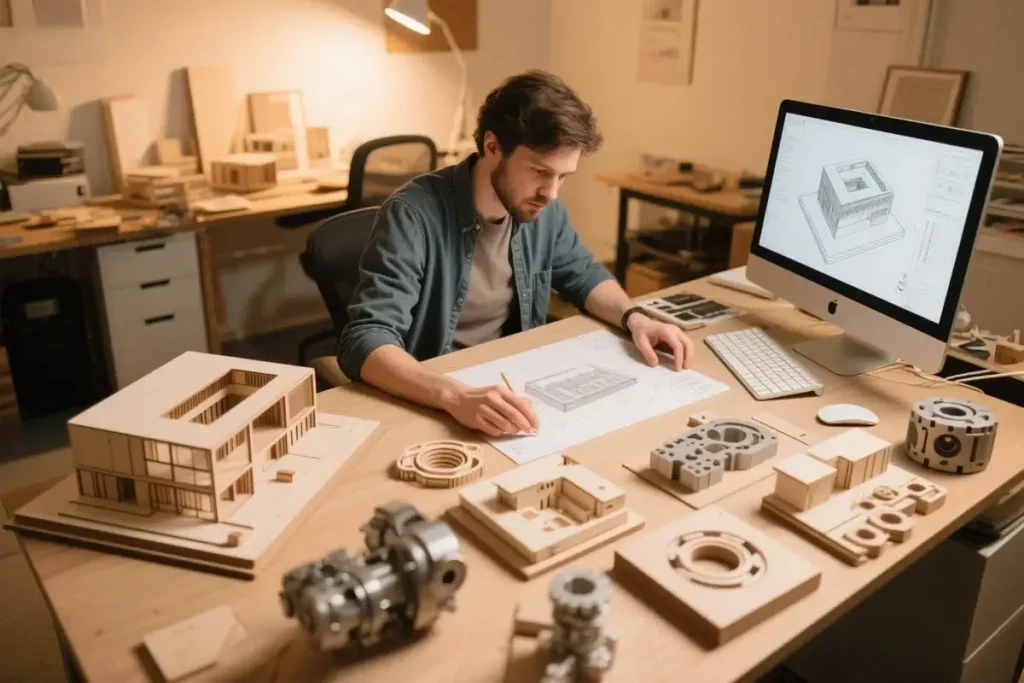
One of the biggest reasons DIY creators can scale today is access to better tools. Affordable digital fabrication equipment has lowered the barrier to entry for small workshops. Machines like 3D printers, laser cutters, and compact CNC systems allow makers to prototype faster, improve accuracy, and produce more consistent results.
This matters because turning a hobby into a business requires more than creativity. It requires repeatability. A project that looks great once is not the same as a product that can be sold ten, fifty, or one hundred times. That is where modern fabrication tools become powerful business assets. They help creators move from one-off experiments to reliable small-batch production.
As demand grows, many makers look for equipment that can improve both quality and efficiency. This is where desktop CNC machines become especially valuable. They give creators the precision of computer-controlled manufacturing in a format that fits a home studio or small workshop. For many small businesses, that combination of flexibility and professional output becomes a major competitive advantage.
A Creator’s Path from Project to Product
Most successful DIY businesses do not begin with a detailed business plan. They begin with curiosity. A creator might start by posting build videos, sharing process photos, or explaining how a project was made. At first, the response is usually simple interest: comments, questions, and encouragement. But over time, that attention can evolve into demand.
A custom part that friends ask about may become a product listing. A weekend project may become a best-seller. A design shared online may attract buyers who want the same item, a modified version, or a digital file so they can make it themselves. This is how passion turns into market value.
At that stage, tools become even more important. If a creator is fulfilling orders by hand, production can quickly become slow and inconsistent. Better equipment reduces errors, saves time, and allows for more complex designs. It also helps creators charge premium prices because the final product looks more polished and professional.
How DIY Creators Make Money
There is no single way to earn money as a DIY creator. The strongest businesses usually combine several revenue streams so income does not depend on one source alone.
Physical products are the most obvious path. Creators can sell custom gifts, home decor, functional parts, hobby accessories, or niche products made in small batches. Because these items often solve a specific problem or reflect a unique style, they can command higher margins than generic products.
Digital products are another major opportunity. Many creators package their knowledge into downloadable plans, CAD files, templates, or step-by-step guides. These products are attractive because they scale well and can generate income long after the original work is done.
Content creation also plays a big role. Tutorials, build logs, livestreams, and behind-the-scenes videos can build trust while creating opportunities for ad revenue, sponsorships, memberships, and paid communities. In many cases, the content itself becomes part of the product ecosystem, bringing new people into the brand.
Some creators also offer services. These may include prototyping, custom fabrication, design consulting, or short-run manufacturing for other small businesses. This is especially useful for makers with specialized skills and equipment. It gives them another way to monetize their expertise while building relationships in their niche.
Choosing Tools That Support Growth
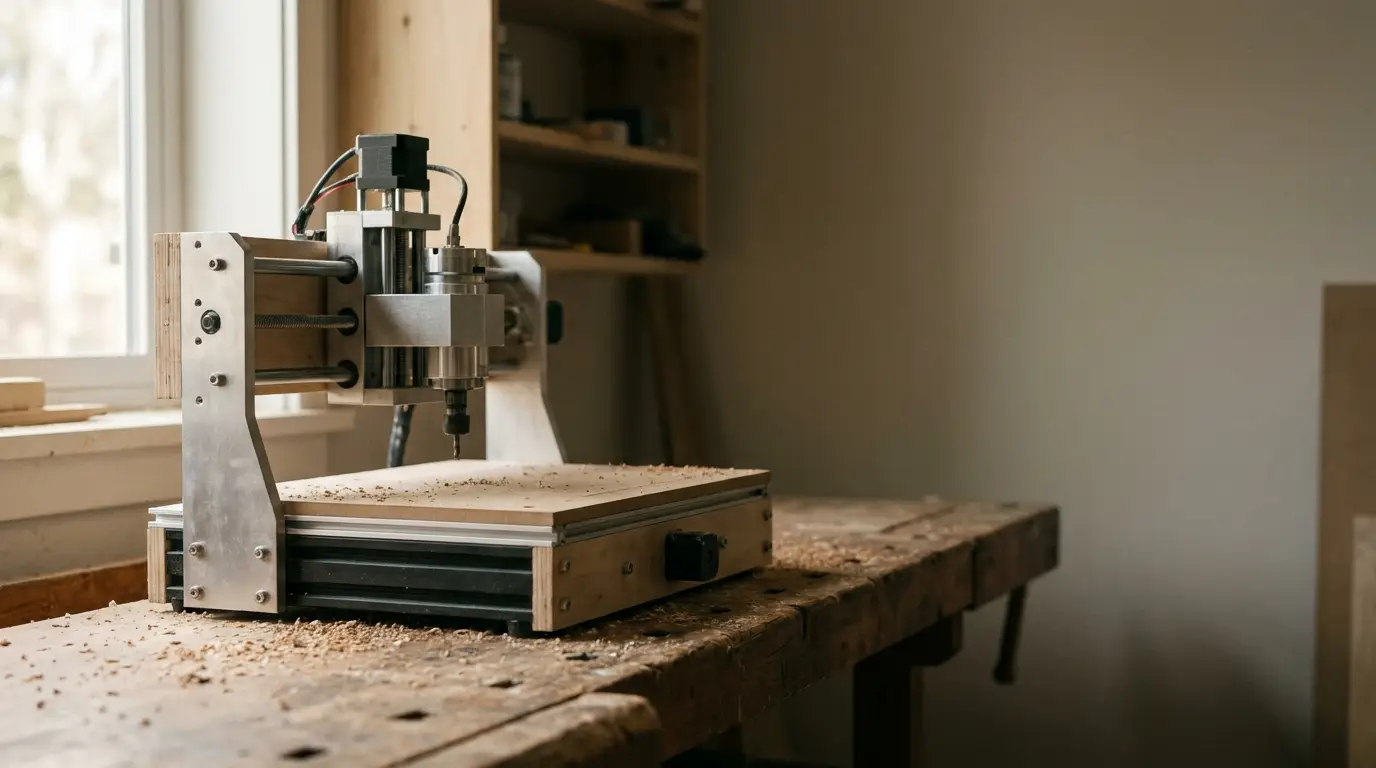
As a DIY business grows, the right equipment becomes a strategic decision. Creators need to think about precision, reliability, ease of use, material compatibility, and overall efficiency. A machine that is fun for experimenting may not be enough when orders begin to arrive regularly.
That is why many makers look for tools that are both powerful and approachable. Desktop CNC systems are a strong example because they combine professional-grade precision with a smaller footprint. For a creator running a home-based studio, that matters a lot. The machine needs to fit the workspace, support a range of materials, and reduce the friction that slows down production.
Software also matters. A tool that is difficult to learn can become a bottleneck, especially when a creator is juggling content, product design, customer service, and shipping. The best systems simplify the transition from idea to finished product. They help creators spend more time designing and less time troubleshooting.
Steps to Turn Passion into Profit
The most effective way to build a DIY business is to start small and grow deliberately. First, creators should define a clear niche and identify who the product is for. A focused audience makes it easier to build messaging, choose materials, and set prices.
Next, they should begin sharing their process consistently. This builds trust, shows expertise, and helps attract the right audience. A strong content presence can also validate demand before a creator invests heavily in inventory or equipment.
Then comes the test phase. Small product runs, limited editions, and pre-orders can reveal what people actually want. This is the safest way to learn before scaling up. Once demand becomes clearer, creators can invest in better tools and more efficient workflows to improve output.
At the same time, it is smart to turn knowledge into assets. A finished product can sell once, but a guide, template, or design file can sell many times. That is why the most resilient creator businesses usually blend physical products with digital ones.
A New Kind of Small Business
DIY creators are no longer limited to making things for fun. With the right mix of creativity, content, and equipment, they can build businesses that are both profitable and personally meaningful. The modern maker economy rewards originality, problem-solving, and consistency.
For many creators, the path starts with a single project and grows into something much bigger. A workshop becomes a brand. A hobby becomes a company. And a passion becomes a source of income, identity, and long-term opportunity.
What makes this moment so exciting is that the tools are finally catching up with the ambition of creators. That means the next standout business may already be taking shape in a small workspace, one carefully made product at a time.