There was a time when a wedding followed a script that nobody questioned. The venue, the running order, the readings, the seating arrangement, all of it came down through families with very little room for negotiation. That has loosened considerably.
Couples now build the day around what actually matters to them, keeping the traditions that carry weight and quietly dropping the ones that do not. The result is a celebration that feels specific rather than generic, and guests notice the difference immediately.
Deciding What the Day Should Feel Like
Ask anyone married thirty years what they still have from the wedding, and the list gets short very quickly. Almost everything handed over that day was practical, and practical things get used until they wear out, break, or quietly go into a box in the garage.
What survives is the one present nobody could throw away, made carefully enough to earn a permanent spot in the house. That is the appeal of Limoges box wedding gifts, small hinged treasures born of a white clay seam discovered outside a French city in the late eighteenth century and still thrown, fired, and painted entirely by hand, so no two are ever identical.
Buyers in the United States have become the largest audience for them, and the market has tightened as studios retire molds and designs stop being made. Anything from a closed run is hard to find at all, and older pieces now change hands well above their original price. They double as decoration too, small enough for a shelf but detailed enough to be worth a second look.
That makes them a natural choice when a gift for a woman needs to feel considered rather than routine, at Christmas, on a birthday, or at any occasion worth marking. LimogesCollector.com is woman-owned and imports straight from the source, with an extensive selection running from current styles to vintage, retired, and genuinely rare finds.
Starting With the Feeling Rather Than the Format
The most useful early conversation a couple can have has nothing to do with logistics. It is about atmosphere. Some people want a room full of noise, dancing, and family who have not been together in years. Others want something quiet enough that they can actually speak to every person who came. Neither is more correct, but choosing between them early makes every later decision simpler, because the venue, the guest count, and the schedule all follow from that single answer.
Couples who skip this step tend to end up assembling a day out of borrowed pieces. They book a room because a cousin used it, choose a menu because it seemed expected, and only realize afterward that none of it reflected them. Deciding on the feeling first gives every subsequent choice something to be measured against.
Which Traditions Earn Their Place
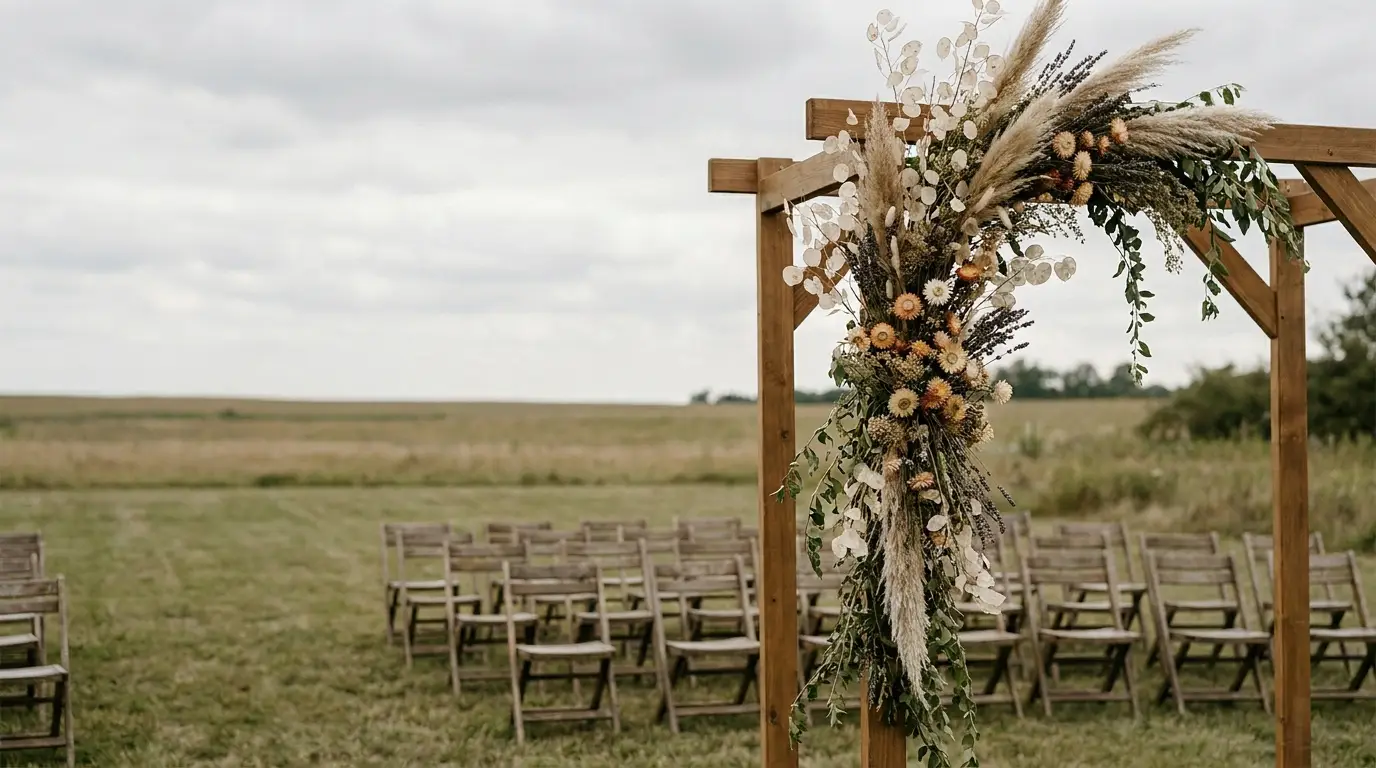
Ritual is what separates a wedding from a party, and most couples want some of it. The question is which pieces still carry meaning for them. A procession, an exchange of promises, a shared meal, a formal toast: these persist because they do something useful. They mark a transition and give the assembled group a way to participate rather than simply watch.
Other customs have thinner roots than people assume. Certain superstitions about what the couple may see or wear, rigid rules about who stands where, and elaborate sequences of formalities often survive purely through repetition. Couples increasingly examine each one and ask whether it means anything to them personally.
Managing the People Involved
Families arrive with expectations, and some of those expectations were formed decades before the couple met. Parents may have imagined a particular kind of day. Relatives may assume they will be consulted on decisions that are not theirs to make. Handling this well is less about firmness than about timing. Telling people early what the plan is, and why, prevents a great deal of friction later.
Money makes this harder. When relatives contribute, they often feel entitled to influence, and the couple has to decide in advance which decisions are open and which are not. Being clear about that from the beginning is kinder than accepting help and then resisting the input that arrives with it.
The Practical Machinery Behind the Day
Behind every well-run celebration is a great deal of unglamorous coordination. Someone has to confirm arrival times, manage deliveries, handle the schedule, and deal with whatever fails on the morning itself. Couples who try to hold all of this themselves spend their own wedding answering questions instead of enjoying it. Handing the running of the day to someone competent, whether a professional or a trusted friend, is one of the more valuable decisions available.
Timing deserves more attention than it usually receives. A schedule with no slack in it turns any small delay into a cascade. Building in genuine gaps means the day breathes, and guests are not moved from one thing to the next without a moment to talk to each other.
How Guests Fit Into the Occasion
The people invited are not spectators. A wedding works best when guests feel included in something rather than seated at a performance. Small choices help: giving people time between the ceremony and the meal, seating tables so conversation is possible across backgrounds, and making room for the older relatives who may not stay late but who came a long way to be present.
Guests carry their own set of questions too, from what to wear to how much to spend and whether to bring children. Couples who answer these plainly in advance spare everyone the awkwardness of guessing. Clear information is a form of hospitality, and it costs nothing.
After the Celebration Ends
The day itself is short, and what remains afterward is mostly memory supported by a handful of objects and images. Couples who think about this in advance tend to be happier with what they end up holding. Photographs matter, obviously, but so do the smaller things: a written record of who spoke, the notes people left, the objects given by family members who understood what the occasion meant.
Marriage begins the following morning, and the celebration is a threshold rather than a destination. Couples who plan well keep that in view from the start. They put their attention on the parts that will still hold meaning years on, and treat the rest as detail rather than obligation.