

You warm up properly. You drink plenty of water. You rest your voice after every show. But you still wake up hoarse, congested, and scratchy. You blame stress, or the weather, or that one late night. However, there’s a real chance the problem is coming from inside your house.
Mold is one of the most overlooked health threats for musicians, performers, and anyone who depends on their voice. It grows quietly. It hides behind walls, under sinks, and in basements. And by the time you notice it, it may have already been messing with your health for months.
Your Home Might Be Working Against You
Most people think mold is a visual problem. You see it, you clean it, and you move on. But that’s not how mold actually works. Mold releases spores into the air constantly. You inhale those spores every time you breathe inside your own home. For singers, podcasters, voice actors, and public speakers, that’s a serious problem.
Mold spores irritate the mucous membranes in your throat, sinuses, and larynx. Over time, this causes chronic inflammation. That inflammation leads to hoarseness, excess mucus, throat clearing, and a voice that just doesn’t feel right. It can also cause fatigue, headaches, and a nagging cough that no cough syrup seems to fix.
If you live in a humid state, the risk is even higher. Maryland, for example, sits in a climate zone that’s warm in summer and damp much of the year. Older homes, basements, and poorly ventilated bathrooms are especially prone to hidden mold growth.
If you’ve been experiencing unexplained vocal issues and you live in the region, looking into mold testing in Maryland could be a genuinely useful first step before you spend another dollar on vocal supplements.
The Signs You Might Be Missing
Mold-related symptoms are sneaky. They often feel like seasonal allergies or a mild cold that never quite goes away. Here are some patterns worth paying attention to:
Your throat feels better when you travel or sleep somewhere else. Your congestion improves on vacation. You wake up feeling worse than you did when you went to bed. You have a cough that doesn’t come with a fever. Your voice is consistently rougher in the morning.
These aren’t random. They can point to something environmental happening at home. The good news is that once you identify the source, the symptoms can improve relatively quickly after remediation.
What Mold Actually Does to Your Body
This is where it gets important for anyone who performs or uses their voice professionally. Mold doesn’t just cause a stuffy nose. It triggers a full inflammatory response in your body. Your immune system reacts to mold spores the same way it reacts to pollen or dust mites. That means swelling in the airways, excess mucus production, and irritation all the way from your sinuses down to your lungs.
For singers, this kind of inflammation is especially damaging. Vocal cords need to vibrate freely and cleanly to produce sound. Swollen, irritated tissue doesn’t do that. The result is a voice that feels tired, cracks on high notes, or simply lacks the resonance it normally has.
Many performers spend years adjusting their technique when the real issue is their environment. There’s a reason so many artists talk about indoor air quality as one of the wellness factors they don’t often post about publicly, but take seriously behind the scenes.
What to Do If You Suspect Mold
First, don’t panic. Not every home has dangerous mold levels. But if you’ve been dealing with unexplained symptoms, it’s smart to rule it out. Here’s a practical approach:
Start by checking the obvious spots. Look under sinks, around windows, in the bathroom, and near any appliances that produce moisture. A damp, musty smell is a clear sign. Then check less obvious areas: behind the refrigerator, in the attic, and in any basement or crawl space.
If you find mold in a small area, less than about a three-foot-by-three-foot patch, you can often clean it yourself with a bleach-and-water solution. Wear gloves and a mask. Open windows for ventilation. For anything larger, or if the mold keeps coming back, professional remediation is the right call.
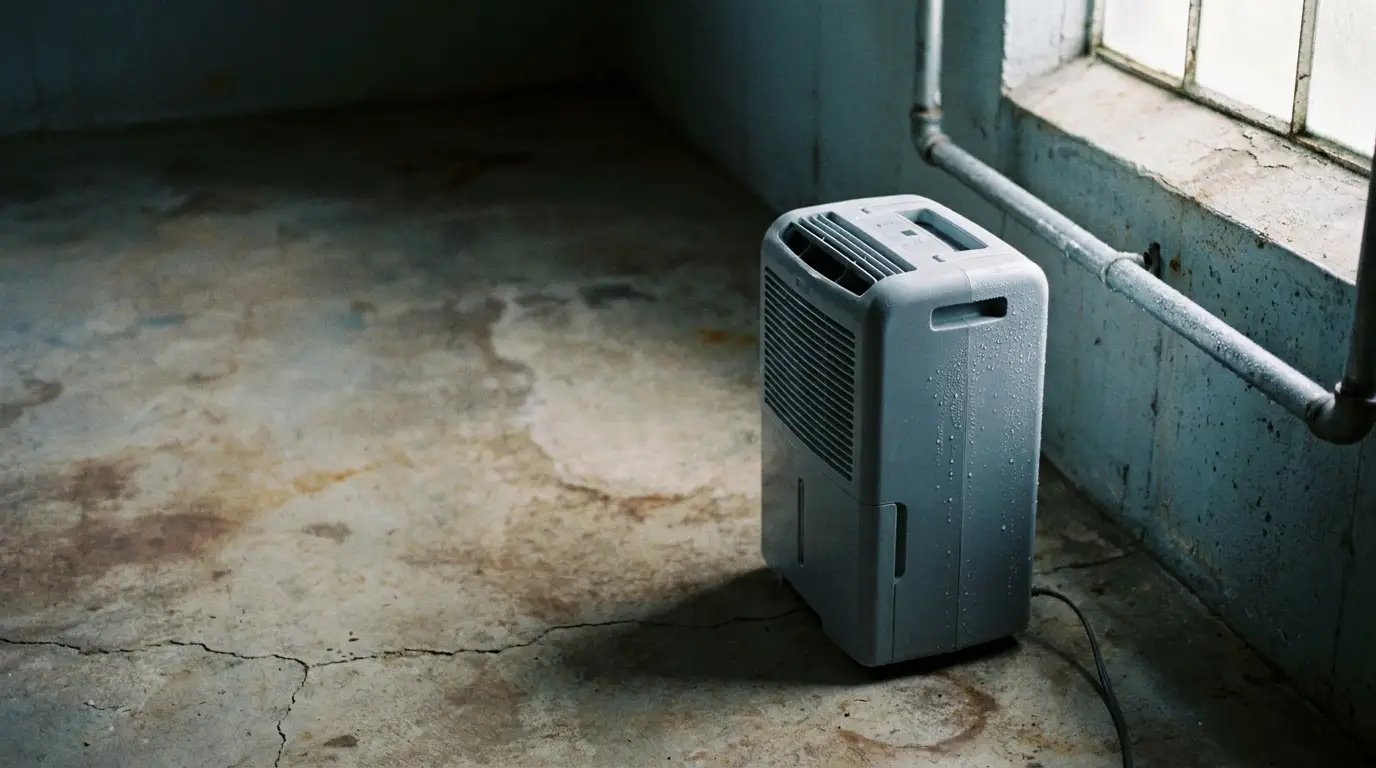
It’s also worth addressing moisture at the source. Fix any slow leaks right away. Run bathroom fans during showers. Use a dehumidifier if your indoor humidity consistently sits above 50%. These simple habits go a long way toward keeping mold from forming in the first place.
The Voice Connection Is Real
Doctors and researchers have confirmed that prolonged exposure to indoor mold can cause serious respiratory complications. According to a detailed breakdown of the health risks tied to chronic exposure to indoor mold, long-term symptoms can include worsening asthma, mood changes, and immune system disruption. These aren’t mild inconveniences. They’re the kind of effects that can derail a performance career if left unchecked.
The most encouraging part is that the fix is often straightforward. Many people report significant improvement in their respiratory symptoms and vocal clarity within weeks of removing mold from their living space.
Take Your Home as Seriously as Your Practice
A great vocalist can warm up all morning and still walk onto a stage feeling off. Sometimes that’s nerves. Sometimes it’s the overuse. But sometimes it’s the air they’ve been breathing at home for the past six months. Your practice space, your bedroom, your basement studio all deserve the same attention you give your diet and sleep routine.
If your voice has been letting you down and you can’t figure out why, look up. Look at the ceiling. Look under the sink. The answer might not be in your technique at all.















