The public version of celebrity wellness is usually glossy. A matching workout set. A fridge full of color-coded drinks. A cold plunge that looks more expensive than most people’s rent.
The private version is probably less photogenic.
It’s the singer protecting her voice by leaving dinner early. The actor eats the same plain breakfast during a long shoot because it doesn’t upset his stomach. The comedian is going back to the hotel instead of doing one more late-night hang because tomorrow’s call time is brutal.
That side of wellness doesn’t sell as well because it looks too ordinary. But ordinary is often the part that keeps people functional when their schedule is not.
The Boring Recovery Routine Matters More Than the Dramatic One
Celebrity wellness coverage loves the extreme version of self-care: cryotherapy, expensive facials, personal chefs, red-light rooms, altitude masks, and recovery gadgets that look like props from a sci-fi set. Some of that may help. Some of it may simply feel good. But the real difference usually comes from the habits that don’t look interesting enough for a camera.
Sleep is the obvious one, and also the one people keep trying to outsmart. A famous person can have the best trainer in Los Angeles, but if they’re running on four hours after a late shoot, an early flight, and a press junket, the body still knows. The National Heart, Lung, and Blood Institute says most adults need 7 to 9 hours of sleep a night, which sounds simple until you imagine trying to hit that number while moving through airports, green rooms, studios, interviews, and after-parties.
The less glamorous habit is building a routine that makes sleep possible even when life is loud. That might mean eating earlier, cutting off caffeine before the afternoon turns into evening, keeping the hotel room cold, or packing a sleep mask that actually blocks light. None of it sounds like a celebrity secret. It sounds like what a tired person does after learning the hard way that charisma doesn’t cover exhaustion forever.
Food works the same way. Fans see the red-carpet body, the stage outfit, the transformation role, or the vacation photos. They don’t see the repetitive decisions behind it: protein at breakfast, enough salt after sweating, meals that travel well, snacks that don’t create a blood sugar crash right before a performance. Minerals get treated like tiny wellness accessories, but magnesium health benefits are tied to normal functions like muscle contraction, nerve signaling, and energy production, which is exactly the kind of unflashy support that matters when someone’s body is part of the job.
Gigwise already covers the public-facing side of star routines, from luxury escapes to celebrity retreat ideas. The quieter truth is that the retreat only works if the daily rhythm isn’t completely broken. A spa weekend can’t erase months of missed sleep, skipped meals, and constant stimulation. It can only give someone a pause.
Celebrities Learn to Protect Their Energy Before It Disappears
Energy is one of those words that gets thrown around until it stops meaning anything. People talk about having “good energy,” wanting more energy, protecting their energy, or needing a reset. For performers, presenters, athletes, streamers, and public figures, energy is not just a mood. It’s part of the work.
A singer can’t give a half-present performance and blame it on a poor lunch. A host can’t look flat through a three-hour taping. A creator can’t film all day, edit late, and then expect to sound fresh on a livestream the next morning. Public work has a strange demand: you have to appear spontaneous while managing yourself like a schedule.
That’s where many people misunderstand celebrity discipline. They assume the discipline is mainly about looking good. Sometimes it is. But often it’s about not crashing at the wrong moment. The reliable habits are not always intense. They’re structured.
A simple version might look like this:
- eating before the day becomes chaotic
- keeping water nearby instead of waiting until thirst feels urgent
- walking between commitments instead of sitting for six straight hours
- avoiding heavy meals right before public appearances
- making the last hour of the night predictable
Those choices are not glamorous, but they reduce the number of small problems that stack up. One missed meal is manageable. Add dehydration, bad sleep, nerves, bright lights, a delayed flight, and a long interview day, and suddenly the body has a vote.
The smarter celebrity routine is rarely “drink a gallon because someone online said so.” It’s more practical. Bring water to the car. Add electrolytes when sweating heavily. Don’t rely on coffee as the only liquid before noon. Notice when headaches, irritability, or sluggishness are really basic maintenance signals.
That’s also why the better wellness advice sounds almost disappointingly specific. “Eat a real meal before the event” is more useful than “optimize your vitality.” “Go home before you’re wrecked” is better than “honor your nervous system,” even if the second one looks nicer on a quote card.
Privacy Is Part of the Wellness Plan
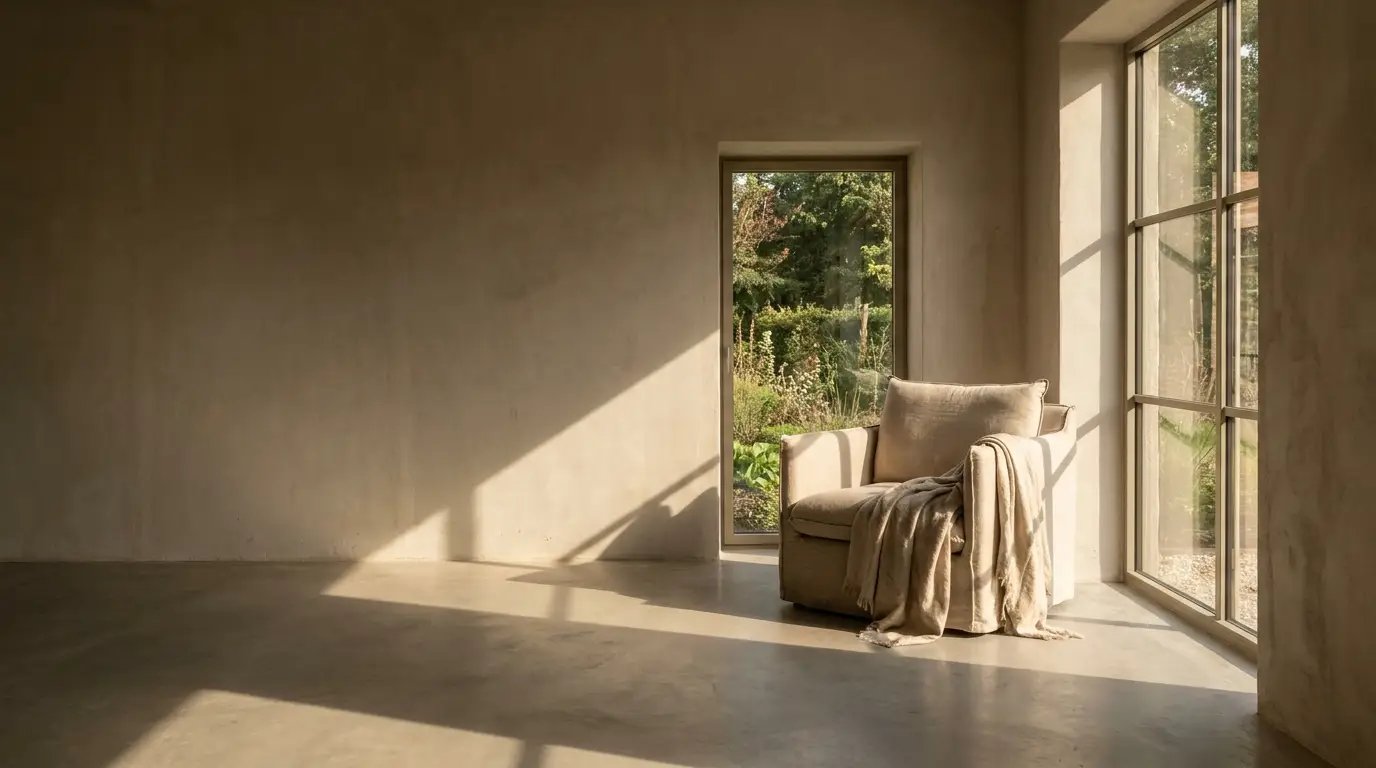
The more famous someone becomes, the less private their ordinary life feels. A walk is content. A dinner reservation becomes a sighting. A house becomes a topic. Even rest can become performance if it has to be photographed, captioned, and polished for the audience.
That pressure changes what wellness means. For a public figure, the healthy choice may not be another routine. It may be a boundary.
A private workout studio instead of a crowded gym. A quiet entrance at a restaurant. A no-phone dinner with family. A home set up to feel calm instead of constantly camera-ready. These are not just luxury details. There are ways of making ordinary life feel less watched.
Gigwise’s coverage of celebrities living in Los Angeles often touches on privacy, space, and retreat because those things become more valuable when attention follows people around. A large home is easy to frame as status, and sometimes it is. But privacy is also functional. It lets someone recover without turning recovery into another public-facing act.
The common mistake is copying the visible part and missing the reason behind it. A fan may see a celebrity’s home gym and think the lesson is expensive equipment. The real lesson may be fewer interruptions. Someone else may see a private chef and think the lesson is luxury food. The real lesson may be decision fatigue: when work is unpredictable, removing one daily decision can be a huge relief.
That idea applies outside celebrity life, too. Most people don’t need a gated driveway to protect their attention. They may need a phone-free half hour after work, a bedroom that isn’t also a second office, or a weekend morning that doesn’t start with messages. Privacy can be small. It just has to be real.
There’s also a mental side to this that celebrity culture often flattens. Being visible does not mean someone feels connected. Being admired does not mean someone feels rested. Being busy does not mean someone feels stable. The quiet wellness habit is creating spaces where the person doesn’t have to perform the role people recognize them for.
That might be the least portable habit of all.
The Smartest Routines Are Flexible, Not Perfect
Celebrity routines often get presented as if they are neat formulas. Wake up at 5. Drink this. Train for 90 minutes. Eat this exact lunch. Meditate. Journal. Repeat. The problem is that the people most likely to be written about usually have the least predictable schedules.
A touring musician can’t always control the hotel gym. An actor on location may not control meal timing. A comedian may finish work when everyone else is asleep. A streamer might be tied to audience habits that reward late nights and long sessions. A perfect routine that only works under perfect conditions is not much of a routine.
The better approach is to have defaults. Not rigid rules, but decisions already made.
For example, a celebrity who travels often might have a default airport meal, a default post-show snack, a default bedtime wind-down, and a default “I’m too tired to think” breakfast. That sounds small, but it removes a lot of friction. When the day gets messy, the person isn’t starting from zero.
This is where wellness content can get silly. It treats consistency like a personality trait instead of a design problem. People are more consistent when the easier choice is already set up. A packed supplement case, comfortable walking shoes, a reusable water bottle, a reliable meal order, and a notes app list of restaurants near regular hotels—these are not aesthetic choices. They are systems.
The same logic shows up in energy-focused wellness advice. Gigwise’s guide to vitamins for energy makes a useful point by separating actual deficiencies from the idea that more supplements automatically mean more energy. That distinction matters because the wellness market often sells correction and enhancement as if they are the same thing. They are not.
A practical celebrity routine does not chase every new fix. It asks better questions. Am I tired because I’m underfed? Am I anxious because I’m over-caffeinated? Am I sore because I trained hard, or because I sat in a car for three hours after performing? Am I low on energy because something is missing, or because the schedule is simply unreasonable?
Those questions are less exciting than a secret ritual. They are also more useful.
Wrap-Up Takeaway
The wellness habits celebrities don’t usually post about are quiet because they’re ordinary: sleep, hydration, food timing, privacy, repeatable defaults, and the ability to stop before the body forces the issue. The lesson is not that famous people have access to better routines, even though many do. It’s that the most useful parts of wellness often look too plain to advertise.