Health and fitness apps no longer compete on workout variety alone. Users can find plans, macros, coaching, recovery prompts, and wearable dashboards across dozens of products. The real split now sits below the interface: whether the platform earns enough trust for users to share intimate health signals across months, devices, and life changes.
That matters for enterprise teams. Global health and fitness app downloads reached 3.6 billion in 2024, while in-app purchase revenue continued to climb. Demand exists. The failure point sits in repeat use, upgrade conversion, and data confidence. Teams building fitness and wellness app development programs now face a question that looks less like product design and more like regulated digital health architecture.
For VPs of engineering and digital platforms, this changes the roadmap. A better workout library may lift acquisition. It will not fix mistrust in permissions, unclear data use, weak account recovery, unreliable wearable sync, or vague AI recommendations. Those issues cut into retention, support cost, partner confidence, and board-level expectations for customer experience.
Trust Has Become a Platform Requirement
Fitness products collect health-related data that users treat as private, even when regulation classifies it outside clinical care. Heart rate, sleep, fertility, stress, location, body composition, injuries, prescriptions, diet behavior, and coaching conversations create a profile that users expect companies to protect with healthcare discipline.
The same expectations now shape enterprise partnerships. Payers, providers, employers, device makers, and wellness networks ask harder questions about evidence, interoperability, and risk. In the United States, hundreds of billing codes now support digital health tools and digital care, including software-based technologies. That shift raises the bar for every app that wants to move from consumer engagement into health ecosystem relevance.
A healthcare app development mindset gives fitness platforms a better operating model. It does not mean every product needs FDA clearance. It means engineering teams design consent, access control, audit trails, secure APIs, data minimization, explainable AI flows, and incident response before growth exposes gaps.
What Engineering Leaders Need to Fix First
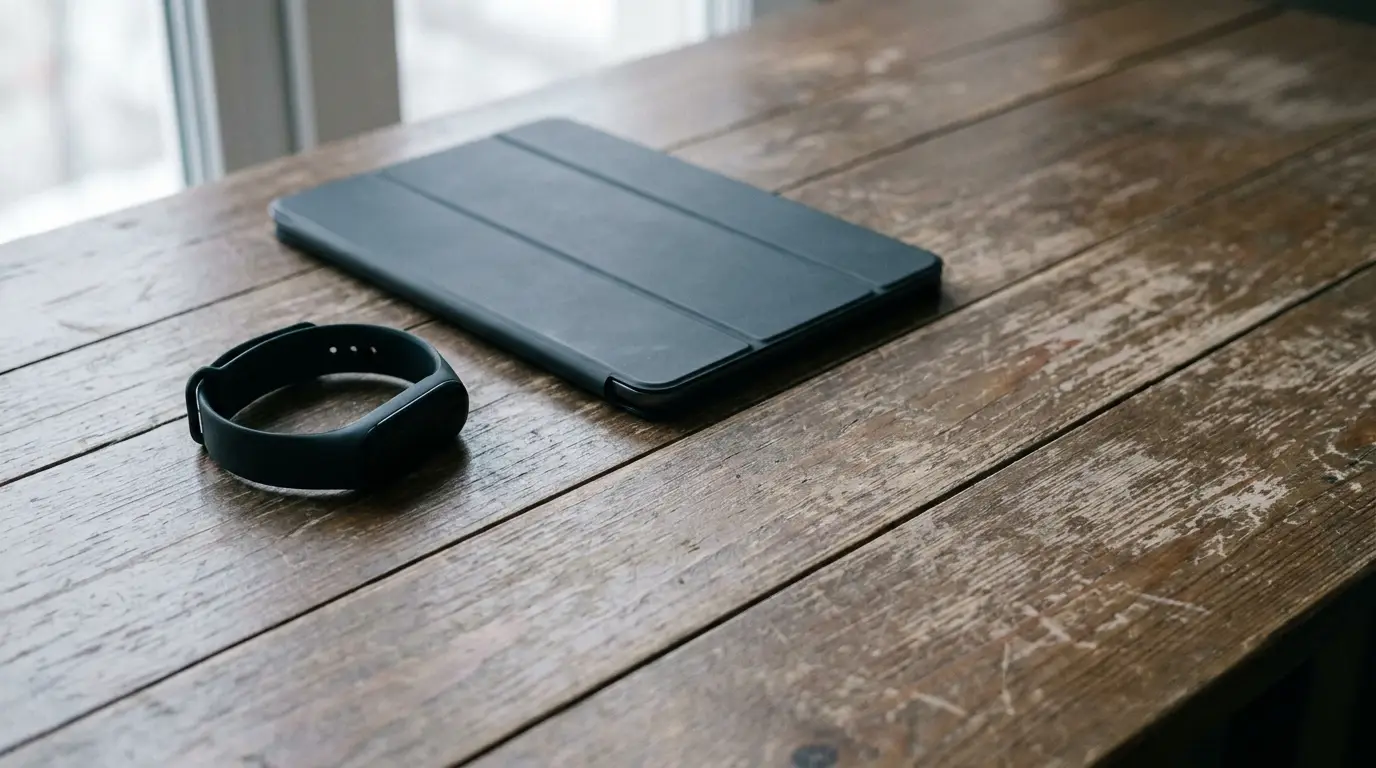
Trust breaks when users see a gap between promise and operation. A platform can look polished and still lose credibility when a device syncs wrong, a coach recommendation lacks context, or a privacy screen hides the tradeoff behind legal text.
Engineering leaders should start with three product systems.
First, consent must become granular and revocable. Users should know what data the app collects, why it collects it, which features depend on it, and how to remove access without breaking the whole account.
Second, data quality needs ownership. Fitness apps depend on sensor inputs, manual entries, third-party APIs, and AI interpretation. Teams need validation rules, exception handling, clinical risk flags, and user-facing correction paths.
Third, trust signals must appear inside the experience. Security cannot live in a footer. Users need visible controls for connected devices, sharing preferences, export options, deletion requests, and AI-generated guidance.
AI raises the stakes. If an app recommends recovery, nutrition, intensity, or care navigation, users need a way to see source signals and limits. Engineering teams need model monitoring, prompt controls, human review paths, and escalation rules before personalization reaches sensitive moments.
These systems affect core business targets. They reduce churn from confusion. They lower support escalation. They make enterprise due diligence faster. They also create a stronger base for personalization because users share more when they understand the exchange.
5 Engineering Partners for Fitness Platforms Building Healthcare Grade Trust in the USA
This list reflects Clutch rating, verified review count, US presence, and relevance to product engineering, mobile platforms, healthcare, AI, and enterprise digital execution.
1. GeekyAnts
GeekyAnts is an AI-Powered Digital Product Engineering & Consulting Company with experience across mobile, web, AI, cloud, and healthcare-focused digital products. For fitness platforms that need trustworthy user experiences, connected data flows, and scalable product engineering, its relevance comes from cross-functional delivery and healthcare app experience.
Clutch Rating: 4.8 with 115 verified reviews. Address: GeekyAnts Inc, 315 Montgomery Street, 9th and 10th floors, San Francisco, CA, 94104, USA. Phone: +1 845 534 6825. Email: info@geekyants.com. Website: www.geekyants.com/en-us.
2. Vention
Vention suits organizations that need engineering capacity, healthcare adjacent product skills, and scalable delivery across distributed teams. Its strengths align with platform modernization, AI-enabled engineering, staff augmentation, and product builds where internal teams need speed without losing control.
Clutch Rating: 4.8 with 101 verified reviews. Address: 575 Lexington Avenue, 14th Floor, New York, NY 10022, USA. Phone: +1 718 374 5043.
3. Saritasa
Saritasa supports companies that need custom software, mobile apps, IoT, AR, and connected experiences with complex operational logic. Fitness platforms with wearable integrations, coaching workflows, device data, or internal admin systems may find their systems orientation useful.
Clutch Rating: 4.8 with 106 verified reviews. Address: 20411 SW Birch Street, Suite 330, Newport Beach, CA 92660, USA. Phone: +1 949 200 6839.
4. Simform
Simform fits enterprise teams that need product engineering, cloud, DevOps, data platforms, and AI support across modernization programs. For fitness and wellness businesses, its relevance lies in architecture, platform reliability, analytics, and engineering teams that can extend internal delivery capacity.
Clutch Rating: 4.8 with 85 verified reviews. Address: 111 North Orange Avenue, Suite 800, Orlando, FL 32801, USA. Phone: +1 321 237 2727.
5. Zco Corporation
Zco Corporation brings long-running experience in mobile apps, enterprise software, web platforms, AR, VR, and custom digital products. Fitness companies planning cross-platform experiences, device-connected features, or large application rebuilds may value its mobile depth and delivery history.
Clutch Rating: 4.8 with 58 verified reviews. Address: 20 Trafalgar Square, Suite 500, Nashua, NH 03063, USA. Phone: +1 603 881 9200.
Final Thoughts
Fitness app growth no longer depends on adding another challenge, streak, or video plan. The next retention lift will come from platforms that treat health data with the care users expect. That requires product, engineering, security, data, and customer experience leaders to work from the same trust model.
The teams that win will make privacy understandable, data portable, recommendations explainable, integrations resilient, and support accountable. For decision makers, the question is practical.
Can the current platform support deeper health use cases, stronger enterprise partnerships, and AI-driven personalization without creating risk that users can feel? A focused technical assessment can expose that answer before churn, compliance pressure, or partner review does.