Scroll through any small clothing label’s Instagram and you will see the same pattern. A burst of polished images when a collection launches, then months of flat lays and mirror selfies until the next shoot budget appears.
That gap is not a creative failure. A lookbook shoot means a model, a photographer, a studio, a stylist, and a day everyone is free, which for a label releasing four collections a year is four days that cost more than the fabric.
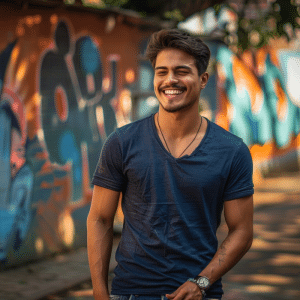
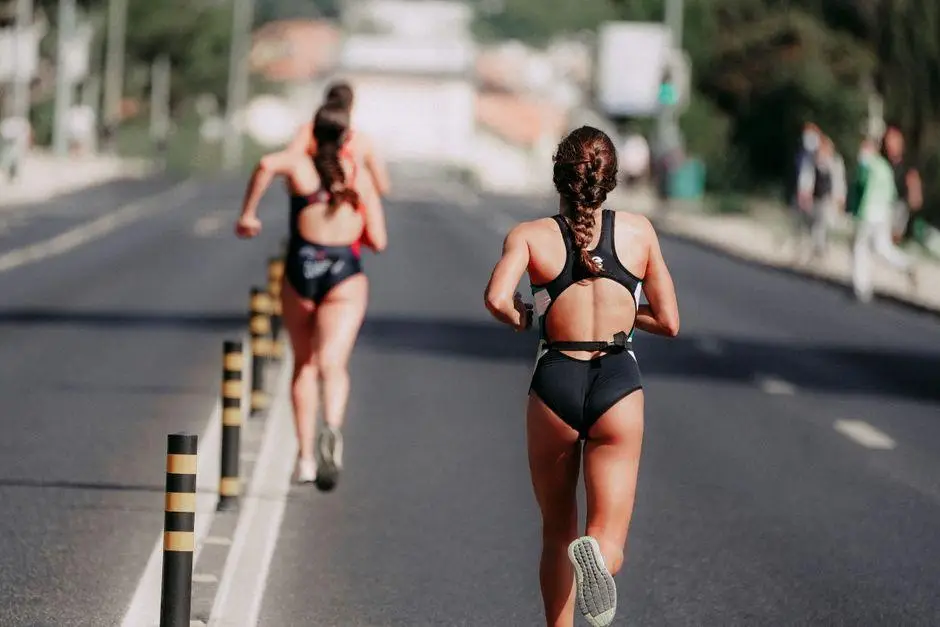
AI fashion is what has started filling that gap. Here is what the term actually covers and what it means for the brands using it.
What AI Fashion Actually Means
The phrase gets used loosely, so it helps to separate the parts.
- On-model imagery, showing a garment worn without booking a model
- Product and flat-lay enhancement, cleaning up photographs you already took
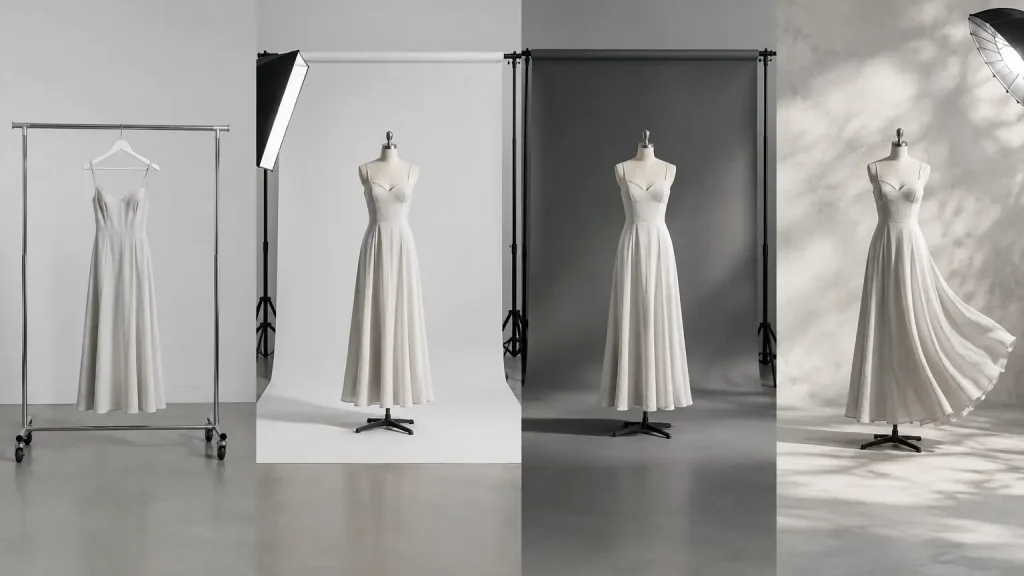
- Scene and setting changes, placing the same piece in different environments
- Virtual try-on, letting shoppers see a garment on a body like theirs
- Design visualisation, seeing a concept before anything is sampled
Most brands use the first three. The last two are newer and still mostly the territory of larger retailers.
Why Clothing Brands Are Moving to It
The economics are the whole story. A single shoot produces a fixed number of images, and every additional setting, model, or angle costs more.
Generated imagery breaks that relationship. The second image costs roughly what the twentieth does, which changes what a brand can attempt rather than simply making it cheaper.
- Launch a collection with full imagery rather than three hero shots
- Show the same piece in several settings without rebooking anything
- Produce ad variants for testing instead of running one creative
- Refresh seasonal imagery without a new shoot
How a Fashion Studio Works
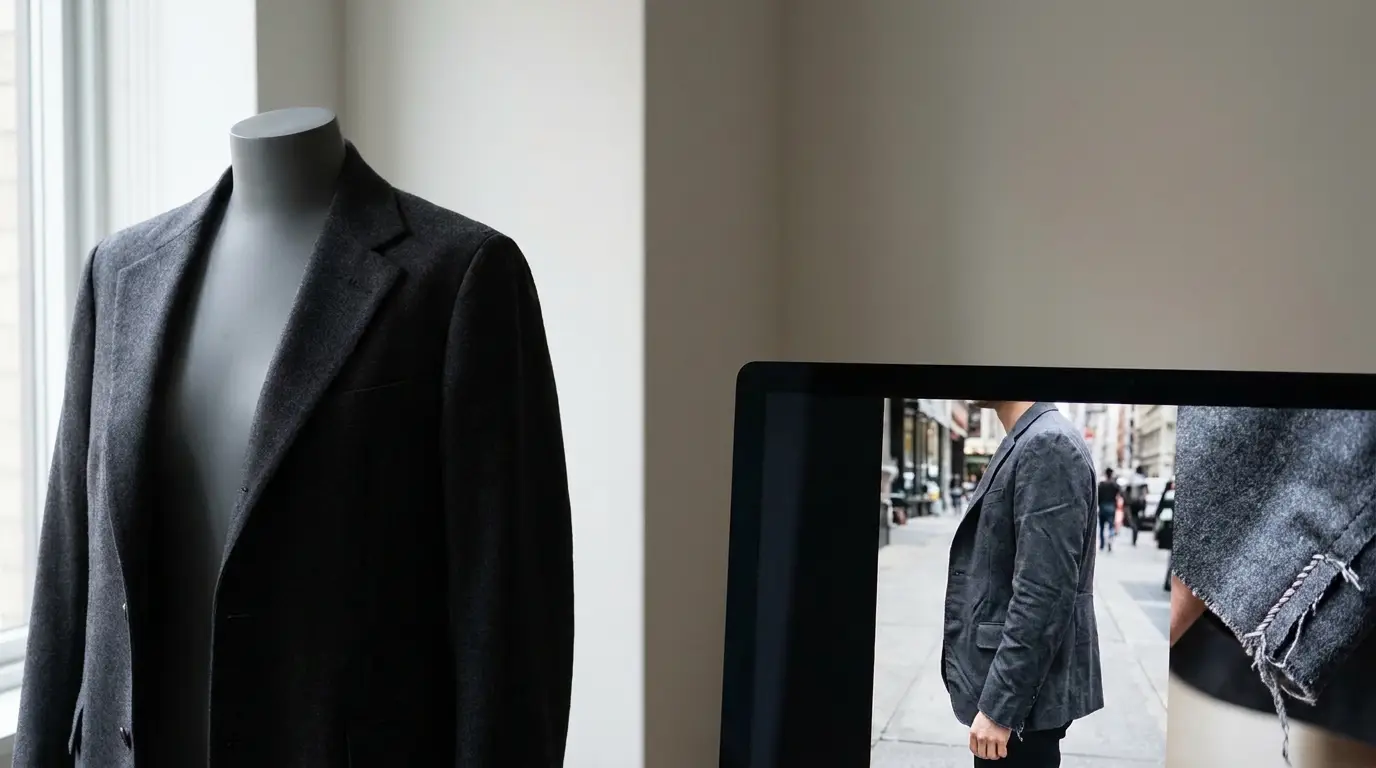
Garments are genuinely difficult for general image tools. Fabric has to drape, fall, and sit on a body correctly, and the same piece has to stay recognisable across an entire set rather than becoming twelve slightly different jackets.
That is why dedicated tooling exists. Working as an ai fashion workspace rather than a general generator, ImagineArt’s Fashion Studio is built specifically for styling models, outfits, and scenes, which is a narrower job than making pictures and a harder one.
Keeping the Garment Consistent
This is the part that decides whether the output is usable commercially. A customer who sees three versions of the same dress with different collars will not buy any of them.
Reference images do the work here. You upload photographs of the actual garment, and the model matches that piece rather than approximating something similar from a description.
Changing the Setting
Once a look is established, the background becomes variable. The same outfit can appear in a studio, on a street, or in a seasonal setting without reshooting the garment.
- One shoot becomes a full campaign across several environments
- Seasonal refreshes stop requiring new photography
- Regional variants become possible for brands selling in several markets
Working With What You Already Have
The underrated half is editing rather than generating. Most small labels have hundreds of product photographs that failed on lighting rather than composition.
- Relighting images shot in a dim studio or on a grey day
- Removing clutter from the edges of a genuine photograph
- Replacing backgrounds on existing product shots
- Upscaling older images so they hold up on a full phone screen
Fixing what exists is usually faster than generating something new, and the result is unambiguously your actual product.
What It Changes for Small Labels
The practical effect is not that brands stop shooting. It is that the shoot stops being the bottleneck on everything else.
A label can photograph a collection once, properly, then generate the variants, settings, and ad creative around those images for the rest of the season. That is a different production rhythm from saving up for the next shoot day.
What AI Fashion Cannot Do
Worth being clear, because the limits are where brands get into trouble.
- It cannot show how a garment actually fits a real body, which returns data still decides
- Generating recognisable images of real people without consent is a rights problem
- Showing fabric, finish, or detail the garment does not have invites complaints and returns
- It does not replace photographing your actual product for listings
- Disclosure expectations are tightening, so check the rules in your markets
That second point matters more than it sounds. Model likeness is separately protected from photo copyright, and generating a recognisable person without their agreement is not a grey area.
Conclusion
AI fashion is less a replacement for photography than a change in what photography has to cover. Shoot the garment properly once, then use a fashion-specific tool to produce the settings, variants, and campaign imagery that previously required booking everything again.
ImagineArt’s Fashion Studio is built for that specific job, handling garment consistency, on-model imagery, and scene changes rather than treating clothing as another prompt. Keep what you sell honest, generate what surrounds it, and the result is a brand that looks continuously present rather than one that appears four times a year.
Frequently Asked Questions
Can Clothing Brands Use AI Generated Images in Their Shop Listings?
With care. Listings should show the actual product accurately, so generated versions that alter fabric, colour, or fit risk complaints and returns. Generated imagery suits campaigns and social better than product pages.
Does AI Fashion Replace Models and Photographers?
Not entirely. It replaces the volume work, meaning variants, settings, and seasonal refreshes. Real campaigns, brand imagery, and anything needing a specific person still require a shoot.
Is It Obvious to Customers when Fashion Imagery Is AI Generated?
Increasingly less so, which is why disclosure matters. Several markets are tightening rules on this, and brands that label generated imagery tend to face fewer complaints than those discovered later.