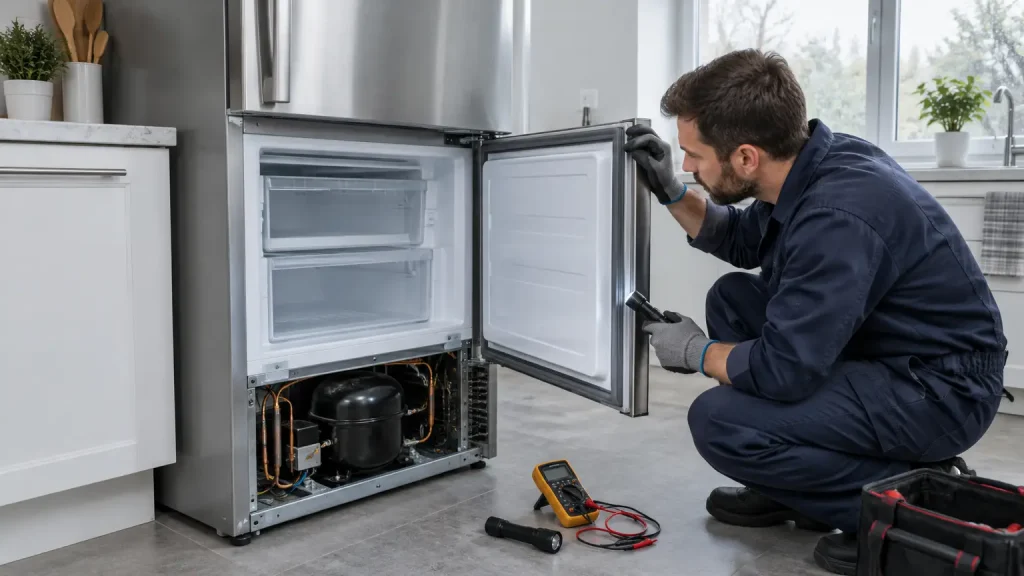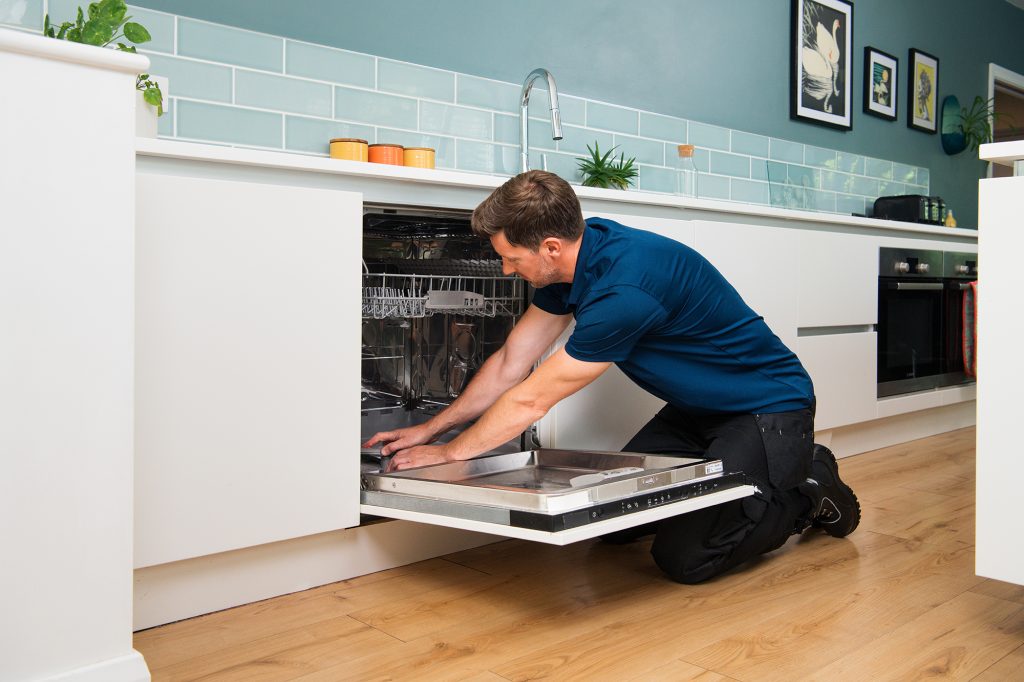
Whether an appliance is worth repairing depends on more than its age. The most useful repair providers assess the fault, total repair cost, previous breakdowns, parts availability and likely future reliability before recommending repair or replacement.
For households looking for broader multi-brand support, a national provider such as Domestic & General (D&G) can be one option alongside manufacturer services and independent engineers. The right choice depends on the type of fault, the appliance’s age and whether repair still offers better value than replacement.
Before booking a repair, compare the complete price, parts availability, repair guarantee and what happens if the appliance cannot be fixed.
When Is an Appliance Worth Repairing?
Age alone should not determine whether an appliance is replaced.
A repair may make more sense when the fault is limited to a replaceable component, the appliance has otherwise been reliable and suitable parts remain available.
Replacement may be more sensible when breakdowns are becoming frequent, several major components are failing or the repair cost is high compared with the value of the appliance.
|
Factor |
When Repair Makes Sense |
When Replacement Makes Sense |
|
Fault |
One replaceable component has failed |
Several major components are failing |
|
Repair history |
The appliance has been reliable |
Faults are recurring |
|
Parts |
Replacement parts remain available |
Parts are unavailable or difficult to source |
|
Cost |
The complete repair price is reasonable |
Repair costs are becoming difficult to justify |
|
Efficiency |
Running costs remain acceptable |
A newer appliance may be materially more efficient |
A good repair provider should therefore give you enough information to decide whether an appliance should be repaired, not simply whether it can be repaired.
How Much Should Appliance Repairs Cost?
Do not compare providers on callout fees alone. Check whether diagnosis, labour, parts, VAT and return visits are included.
Which? found that washing-machine repairs such as replacing a door seal, motor brushes or pump typically ranged from £100–£200, while motors, PCBs and drums could cost up to £400.
The figures came from a November 2025 survey of eight Which? Trusted Traders, include labour and materials but exclude VAT, and may be higher in London and South East England.
Fixed or predictable pricing can make comparison easier, but always check what is included. A low initial callout charge followed by separate labour, parts and return-visit fees can ultimately cost more.
Which Type of Repair Provider Should You Use?
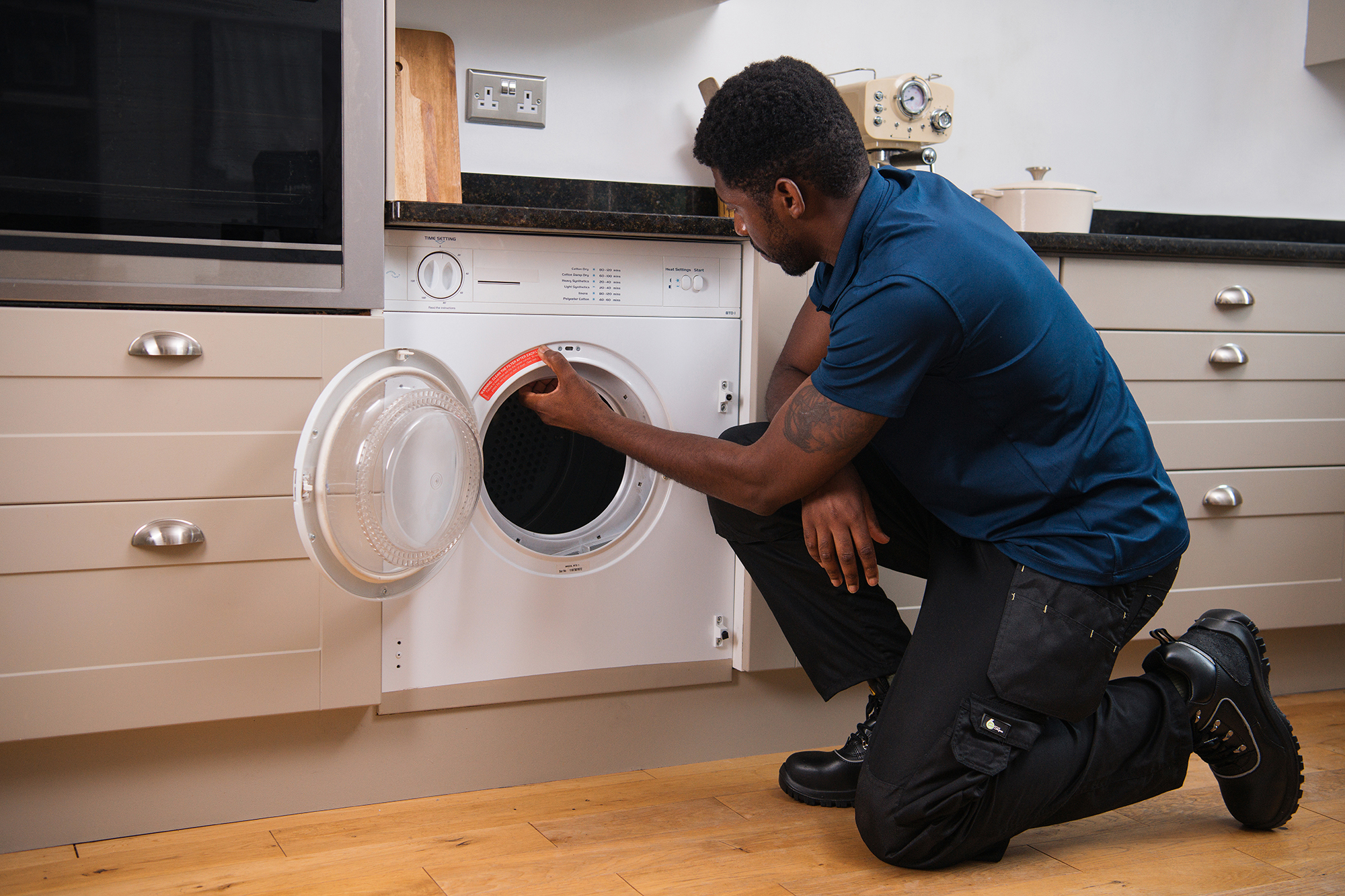
Different providers suit different situations.
- Manufacturer repair services, including Bosch, Samsung, LG and Hotpoint, can be useful for newer appliances, products under guarantee or technically complex faults requiring brand-specific knowledge.
- Independent engineers may offer competitive one-off quotes and local availability for straightforward out-of-warranty faults. Which? Trusted Traders provides assessed repairers, while Yell can help consumers compare local options.
- National multi-brand providers can suit households looking for wider repair and protection support. D&G, for example, reported 7.0 million subscription customers and around 2.7 million repairs annually in FY26. Its UK Trustpilot profile was rated 4.2/5 from more than 153,000 reviews as of August 2026.
Are Older Washing Machines and Dishwashers Worth Repairing?
Potentially, but the fault matters more than age.
For washing machines, a pump or seal replacement presents a very different decision from an expensive drum or control-board failure.
Parts availability is especially important for older dishwashers. Under UK ecodesign rules, manufacturers must make specified core dishwasher parts available to professional repairers for at least seven years after the final unit of a model is placed on the market. Some components, including door seals, drain filters and racks, must remain available for at least 10 years.
Before deciding, ask: What has failed? Is the part available? What is the complete repair cost? Are further major faults likely?
Is Appliance Cover Better Than Paying for Repairs Individually?
It depends on your appliances and how comfortable you are with unexpected costs.
Paying individually can suit reliable appliances where you can absorb an occasional repair bill. Protection may be more attractive if you own several appliances, prefer predictable expenditure or would find an unexpected replacement expensive.
Some protection plans, including eligible D&G plans, can provide replacement if a covered appliance cannot be repaired, subject to the plan terms. Compare monthly cost, excess, exclusions and replacement conditions before deciding.
The Bottom Line
Do not choose an appliance repair service on callout price alone.
Compare the total repair cost, technical expertise, parts availability, guarantees, return-visit terms and what happens if repair is no longer economical.
For older appliances in particular, the best decision is based on the fault, repair history, available parts and complete cost – not age alone.
FAQs:
Is an older appliance worth repairing?
Often, yes. The decision should depend on the fault, total repair cost, previous breakdowns, parts availability and efficiency rather than age alone. An isolated, repairable fault may justify repair, while repeated failures or expensive component problems can make replacement better value.
How can I tell if an appliance should be repaired or replaced?
Ask what has failed, whether replacement parts are available, what the complete repair cost will be and whether further major faults are likely. A good repair provider should give you enough information to judge whether the appliance is still economical to repair.
What happens if my appliance cannot be repaired?
With a one-off repair, you may need to arrange a replacement yourself. Some protection plans, including eligible D&G plans, can provide replacement if a covered appliance cannot be repaired, subject to the plan terms