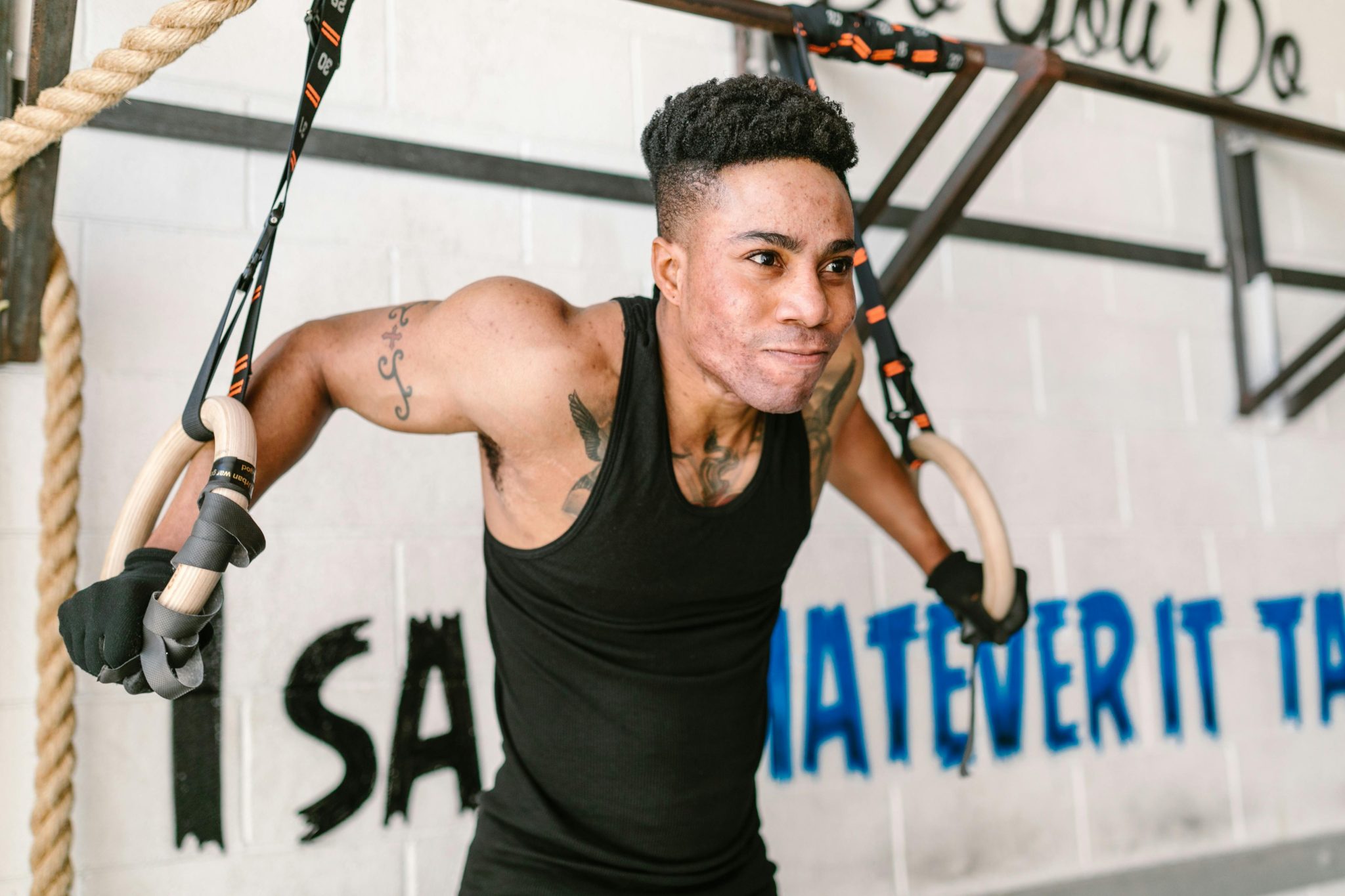
If you are looking to take your strength training to the next level, focusing on grip and forearm development is essential. Many traditional workouts overlook this area, yet it plays a critical role in overall performance. Incorporating tools like a gym rope grip into your routine can challenge your muscles in new ways, improving strength, endurance, and control across a wide range of exercises.
Why Grip Strength Matters in Training
Foundation for Upper Body Power
Your grip is often the limiting factor in exercises like pull-ups, deadlifts, and rows. A stronger grip allows you to lift heavier weights and maintain better control throughout each movement.
Improved Muscle Engagement
Using rope-based grips activates additional muscles in the hands, wrists, and forearms. This leads to a more complete workout and greater muscle development over time.
Functional Strength Benefits
Grip strength translates directly into real-world tasks, from carrying heavy items to climbing and sports performance.
What Is a Gym Rope Grip?
A Versatile Training Tool
A gym rope grip is designed to simulate the challenges of rope climbing and unstable holds. Unlike standard handles, it requires constant adjustment and engagement, making your muscles work harder.
Ideal for Multiple Exercises
You can attach rope grips to cable machines, pull-up bars, or resistance bands. This flexibility allows you to incorporate them into various workouts without changing your entire routine.
Benefits of Using Rope Grip Training
Enhanced Grip Strength
Rope grips demand continuous tension, helping to build stronger hands and forearms more effectively than traditional equipment.
Increased Endurance
Because of the instability, your muscles must work longer to maintain control. This improves muscular endurance over time.
Better Coordination and Control
Training with rope grips challenges your coordination, improving your ability to stabilise movements and maintain proper form.
How to Use Rope Grips Effectively
Start with Basic Movements
Begin by using rope grips for simple exercises like cable rows or lat pulldowns. Focus on maintaining a firm and controlled grip.
Progress to Advanced Exercises
As your strength improves, incorporate rope grips into pull-ups, hangs, and even weighted carries for a more intense challenge.
Maintain Proper Form
Keep your wrists neutral and avoid overcompensating with other muscles. Controlled movements are key to maximising results.
Train Consistently
Short, regular sessions will deliver better results than occasional intense workouts. Consistency helps build strength steadily.
Who Can Benefit from Rope Grip Training
Fitness Enthusiasts
Anyone looking to improve their gym performance can benefit from stronger grip strength and enhanced upper body control.
Athletes
Climbers, martial artists, and athletes in grip-dependent sports will see significant improvements in performance and endurance.
Beginners and Advanced Users
Rope grips can be adapted to suit all fitness levels, making them a versatile addition to any training programme.
Tips for Maximising Results
Combine with Compound Exercises
Pair rope grip training with exercises like deadlifts or pull-ups to enhance overall strength.
Track Your Progress
Monitor improvements in grip endurance and strength to stay motivated and adjust your routine as needed.
Allow Recovery Time
Your forearms and hands need time to recover. Avoid overtraining to prevent fatigue or injury.
Conclusion
Rope grip training is a powerful way to enhance your strength, endurance, and overall fitness. By challenging your grip and forearms in new ways, you can unlock better performance in both the gym and everyday activities. Whether you are a beginner or an experienced athlete, incorporating rope grips into your routine can deliver noticeable and lasting results.
FAQ Section
What makes rope grips different from regular handles?
Rope grips create instability, requiring more muscle engagement and improving grip strength more effectively.
Can beginners use rope grips?
Yes, beginners can start with lighter resistance and basic exercises before progressing to more advanced movements.
How often should I train with rope grips?
Two to four sessions per week is sufficient for most people, depending on intensity and recovery.
Are rope grips suitable for home workouts?
Yes, they are portable and can be used with resistance bands or home gym equipment.
Do rope grips help with pull-ups?
Absolutely, they improve grip strength and endurance, making pull-ups easier and more effective over time.
Becky Walsh, a music educator with 15 years of experience in traditional and digital settings, hails from small-town Tennessee. Inspired by local bluegrass and choir, she creates engaging tutorials for all skill levels on her blog. Becky volunteers at youth music camps, striving to make music education accessible. Her goal is to inspire new musicians by making music more approachable through her diverse background and teaching methods.
Becky Walsh, a music educator with 15 years of experience in traditional and digital settings, hails from small-town Tennessee. Inspired by local bluegrass and choir, she creates engaging tutorials for all skill levels on her blog. Becky volunteers at youth music camps, striving to make music education accessible. Her goal is to inspire new musicians by making music more approachable through her diverse background and teaching methods.