

A beautiful property makes an impression before anyone says a word. The clean lines, the right exterior finish, the colors that feel considered rather than accidental, the landscaping that frames the building just so. All of it shapes how people feel before they ever step inside.
But appearance is only one part of what makes a property genuinely valuable.
The real test plays out over time. How does the building handle rain, humidity, temperature swings, and years of everyday use? Does the exterior still protect what’s inside after the first few winters? Does the design still support how people actually live and move through the space?
That’s where the balance between aesthetics and long-term performance really matters. A property should look good, obviously. But it should also age well, function well, and protect the investment behind it.
The best properties do both.
Good Design Should Work, Not Just Look Good
It’s easy to treat aesthetics as surface-level. Paint colors, materials, trim, lighting, fixtures. The parts people notice first and comment on most.
But strong design isn’t just decoration. It actively supports performance.
The right exterior material improves weather resistance. The right roofline manages water runoff. The right window shape provides natural light while quietly improving energy efficiency. Even smaller decisions, like where plants get placed or how water drains away from the foundation, affect how a property holds up over the years.
A property that looks great but constantly needs repairs isn’t really successful. It may photograph well, but if moisture is working its way behind the exterior, if the siding is starting to fail, or if energy bills keep creeping up, the beauty starts to feel hollow pretty quickly.
This matters especially when owners are making updates or doing repairs. It’s natural to focus on what will be visible when the work is done. Everyone wants the place to look refreshed. But the more important question is what’s happening underneath.
Because long-term performance usually depends on the things you can’t see.
What’s Behind the Surface Matters More Than People Realize
The exterior of a property carries serious responsibility. It protects the structure from rain, wind, sun, humidity, and seasonal temperature changes while also helping to regulate indoor comfort. That means exterior decisions should never be made purely on appearance.
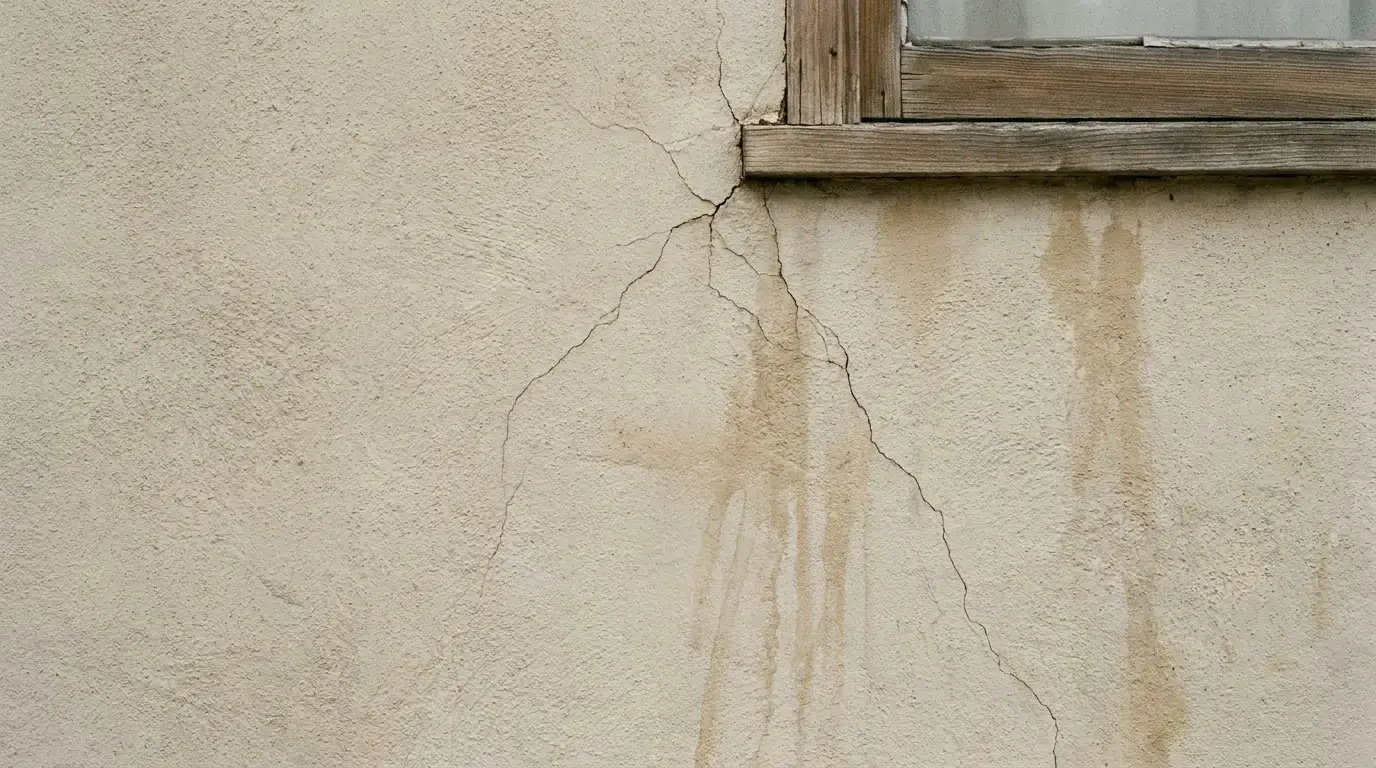
Take stucco as an example. When it’s installed and maintained correctly, it offers a clean, timeless look. It gives a property warmth, texture, and real visual character. But when moisture gets trapped behind it, or when flashing and sealing details are handled poorly, the problems that follow can be significant.
This is where owners sometimes find themselves in a difficult spot. What starts as a visible concern, cracking, staining, soft spots, turns out to have deeper roots. Suddenly, the conversation shifts from how to make something look better to what it’s actually going to take to fix it properly. Repair scope, drainage, materials, stucco remediation cost, all of it becomes part of protecting the property rather than simply refreshing its appearance.
That’s a frustrating place to end up. Nobody starts a design project hoping it turns into a structural problem. But ignoring what’s underneath almost always makes the outcome more expensive, more stressful, and harder to manage.
The takeaway is straightforward. Aesthetic improvements shouldn’t be used to cover up performance problems. They should solve them.
Beauty That Doesn’t Last Becomes a Liability
There’s a real excitement that comes with upgrading a property. You picture the finished result. The sharper curb appeal, the cleaner exterior, the better first impression on everyone who walks by.
That excitement is legitimate. It matters.
But when choices get made too quickly, or based almost entirely on how something looks today, beauty can turn into a burden down the road. A trendy material might not suit the local climate. A cheaper repair might not address what actually caused the issue. A sleek design detail might create drainage problems if nobody thought it through carefully enough.
Small decisions have a way of becoming long-term consequences.
An exterior finish might look seamless right after installation, but it starts trapping moisture if it wasn’t chosen with proper breathability in mind. A deck might look stunning against the back of a house, but it could invite water damage if the connection to the structure wasn’t properly flashed. A lush landscape might look impressive, but it could quietly direct water toward the foundation if the grading wasn’t thought through.
These problems rarely announce themselves dramatically at first. They tend to start small and quietly.
A stain appears near a window. A faint smell that wasn’t there before. A crack that gets a little wider with each passing season. A door that doesn’t close quite the way it used to.
And then one day, the property isn’t just asking for routine maintenance anymore. It’s asking for something more serious.
Better Performance Starts With Better Questions
The best property decisions almost always begin with asking the right things.
Instead of just asking how something will look, ask how it will hold up. Instead of asking what the fastest fix is, ask what actually caused the problem in the first place. Instead of asking what the cheapest option is right now, ask what it will cost if you have to do it twice.
These questions shift the frame from short-term appearance to long-term value. They also help everyone involved work from the same understanding, which matters more than people often realize.
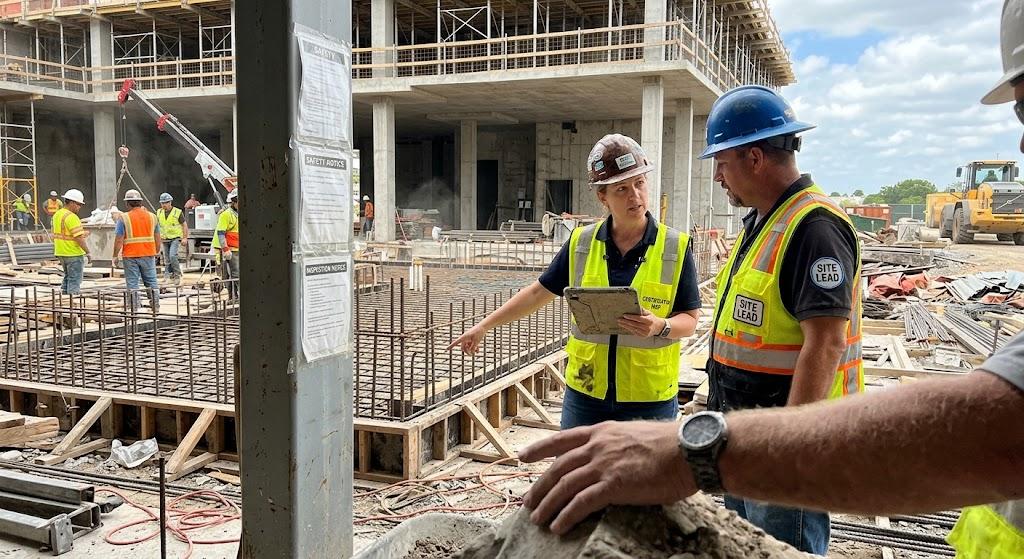
A designer might be thinking about proportion, color, and texture. A contractor is focused on installation, structure, and durability. An inspector is looking at risk, moisture, and potential failure points. An owner is trying to manage budget, timeline, and peace of mind. When those perspectives actually come together and inform each other, the result tends to be significantly stronger than when everyone’s working from their own narrow slice.
A property doesn’t have to choose between looking great and performing well. But it does need people involved who understand that those two goals are genuinely connected, not competing.
Maintenance Is Part of the Design, Not an Afterthought
One of the most consistently overlooked parts of property performance is ongoing maintenance, and the role design plays in making that maintenance easier or harder.
A design decision doesn’t end when installation is finished. It continues through every cleaning, inspection, seasonal check, and repair that follows. Materials age. Sealants break down over time. Paint fades. Gutters clog. Caulk pulls away. Plants grow in directions nobody planned for. Water finds paths it was never supposed to take.
None of this means something has failed. It means the property exists in the real world, interacting with weather, time, and daily use. That’s just what properties do.
Good design works with that reality instead of pretending it doesn’t exist. Accessible gutters are easier to clean. Durable finishes reduce the need for repainting. Proper flashing prevents water from getting where it shouldn’t. Smart grading keeps water moving away from the structure rather than toward it. Quality materials often cost more upfront, but they tend to reduce headaches significantly over the years that follow.
There’s something genuinely reassuring about a property that was designed with maintenance in mind. It feels more solid, more considered, more like something built to last rather than built to impress for a season.
That matters a lot for owners who want their property to hold its value over the years rather than just photograph well on the day the project wraps up.
Climate and Context Shape Everything
No property exists in isolation, and no design decision should be made as if it does.
What works beautifully in one climate can perform poorly in another. Humidity, freeze-and-thaw cycles, heavy rainfall, coastal salt air, intense heat, heavy shade, prevailing winds. All of these shape how materials behave over time in ways that product photos and showroom samples don’t always make obvious.
This is part of why copying a look from another property without understanding the context behind it can be a mistake. A finish that holds up beautifully in a dry inland climate might need extra planning, different products, or more frequent maintenance in a wetter environment. A dark exterior color might look striking, but it can create heat-related issues in certain climates. Large statement windows might be visually dramatic, but need the right orientation and performance ratings to actually function well.
Aesthetics should respond to where a property actually is.
That doesn’t mean design has to be boring or overly cautious. It means the best choices respect the environment in which the property lives. They look good because they belong there, and they last longer because they were chosen with real conditions in mind rather than just with a mood board.
Invest in What Actually Lasts
Long-term property performance isn’t the most exciting part of a project to talk about at the beginning. It doesn’t have the immediate appeal of color samples, renderings, or a satisfying before-and-after comparison.
But it’s often what determines whether a project still feels like a success five or ten years later.
A property that performs well gives its owners genuine confidence. It reduces the frequency of surprise repairs. It protects comfort year-round. It supports resale value in a way that cosmetic upgrades alone never quite can. It makes visible beauty feel more meaningful because that beauty is backed by something solid beneath.
That’s the real balance this is all about.
Aesthetics draw people in and create that immediate impression. Performance keeps the property standing, safe, efficient, and worth owning over the long haul.
The two shouldn’t compete with each other. They should reinforce each other.
When property owners understand that connection, they tend to make better decisions. They look past the surface without dismissing how much appearances matter. They choose materials thoughtfully. They ask the harder questions. They invest in details that won’t show up in photos but will matter deeply over time.
Because the most beautiful property isn’t just the one that looks impressive the day the work is finished.
It’s the one that still feels solid, well-considered, and genuinely cared for years from now.