


Gel nail polish remains a popular choice for people who want a long-lasting manicure with a glossy, chip-resistant finish.
While many users enjoy gel manicures without any issues, allergic reactions to gel polish are becoming increasingly common.
Symptoms such as itching, redness, swelling, and skin irritation can sometimes appear unexpectedly, even after years of regular use.
This can be confusing for those who have never had problems with gel products. While researching this topic, I was surprised to learn that repeated exposure to certain ingredients can gradually sensitize the immune system.
In this blog, I will explain why gel polish allergies can develop suddenly, the symptoms and risk factors to watch for, and the treatment and prevention strategies that may help reduce future reactions.
Understanding Gel Polish Allergies
A gel polish allergy occurs when the immune system reacts to certain ingredients in gel nail products, treating them as harmful substances.
This reaction typically affects the skin around the nails, fingers, and hands, causing discomfort and irritation. Unlike temporary skin irritation, which often improves once the product is removed, an allergic reaction can worsen with repeated exposure.
Many gel polish allergies are linked to chemicals called acrylates and methacrylates, which help the polish harden and adhere to the nail.
Once the body becomes sensitized to these ingredients, future exposure may trigger symptoms such as itching, redness, swelling, and inflammation.
Is Gel Polish Allergy Common?
Yes, Reports of gel polish allergies have increased in recent years. Dermatologists are seeing more cases of allergic contact dermatitis linked to nail products, particularly among people who receive frequent gel manicures.
One reason for this rise is the growing popularity of DIY manicure kits. More consumers now apply gel polish at home, which may increase the risk of improper application and exposure to uncured chemicals.
When combined with regular salon visits and frequent use, repeated exposure can increase the likelihood of developing an allergy over time.
Why Can You Suddenly Become Allergic to Gel Polish?

Many people are surprised when they develop a gel polish allergy after years of regular use.
This happens because the immune system can gradually become sensitized to certain ingredients, causing a reaction even after long periods without symptoms.
- Repeated Exposure to Acrylates: Repeated contact with acrylates and methacrylates can cause the immune system to become increasingly sensitive, raising the risk of an allergic reaction.
- Improper Curing of Gel Polish: Under-cured gel polish may leave allergenic chemicals on the nails and skin, increasing exposure and the likelihood of sensitization.
- Skin Contact During Application: When gel polish comes into contact with the cuticles or surrounding skin, allergenic ingredients can penetrate the skin and trigger an immune response.
- At-Home Gel Manicure Risks: Incorrect application techniques, poor curing practices, and low-quality equipment can increase exposure to uncured chemicals and allergens.
Research published in the International Journal of Women’s Dermatology found that allergic contact dermatitis associated with gel nail polish developed an average of 30 months after users first started applying gel polish.
This finding highlights how repeated exposure can gradually sensitize the immune system, leading to an allergic reaction that may appear unexpectedly even after years of problem-free use.
Common Symptoms of a Gel Polish Allergy

Recognizing the symptoms of a gel polish allergy early can help prevent the reaction from worsening.
While symptoms may appear within hours or several days after application, they often become more noticeable with repeated exposure to the allergen.
1. Itchy Skin Around the Nails
Persistent itching around the nails, cuticles, and fingertips is often one of the first signs of a gel polish allergy.
The itching may begin within hours or appear a few days after application. Although it may seem minor initially, continued exposure to the allergen can make the irritation more severe.
Promptly recognizing this symptom can help reduce further skin damage and discomfort.
2. Redness and Swelling
Redness and swelling commonly occur around the nail folds, fingertips, and surrounding skin as the immune system reacts to allergenic ingredients.
The affected area may feel warm, tender, or painful to the touch. In some cases, the inflammation can interfere with daily tasks, such as typing or holding objects.
These symptoms often become more noticeable with repeated exposure to gel polish.
3. Blisters or Skin Peeling
More severe allergic reactions may lead to small blisters, cracked skin, or peeling around the fingers and nail beds.
The affected skin can become dry, sore, and prone to splitting, increasing the risk of infection. These symptoms usually indicate a stronger allergic response and should not be ignored.
Early treatment can help reduce discomfort and support the healing process.
4. Nail Changes
A gel polish allergy can affect the health of the nails, causing changes such as nail lifting, brittleness, ridges, thinning, or discoloration. Inflammation around the nail bed may weaken the nail structure over time.
Because nails grow slowly, these changes can take several weeks or months to improve, even after avoiding the allergen and beginning appropriate treatment.
5. Symptoms Beyond the Hands
Although symptoms usually begin around the nails, allergic reactions can sometimes spread beyond the hands.
Touching the face, neck, or eyelids after handling the allergen may transfer irritants and trigger rashes, itching, or swelling in those areas.
This indirect exposure can make it more difficult to identify the source of the allergy, underscoring the importance of medical evaluation if symptoms persist.
Which Ingredients in Gel Polish Cause Allergic Reactions?
Several ingredients used in gel nail products can trigger allergic reactions, particularly after repeated exposure. The table below highlights some of the most common allergens found in gel polish formulations.
| Ingredient | Role in Gel Polish | Allergy Risk |
| HEMA (Hydroxyethyl Methacrylate) | Helps gel polish adhere to the nail and cure properly. | One of the most common causes of gel polish allergies and allergic contact dermatitis. |
| Other Acrylates and Methacrylates | Provide durability, flexibility, and long-lasting wear. | Frequently linked to skin irritation, sensitization, and allergic reactions after repeated exposure. |
| Fragrances and Additional Additives | Added to improve scent, texture, or product performance. | Less common triggers, but they may cause allergic reactions in sensitive individuals. |
Understanding these ingredients can help users make informed choices when selecting gel nail products, especially if they have previously experienced skin sensitivities or allergic reactions.
Steps to Take if You Have an Allergic Reaction to Gel Polish
If you suspect a gel polish allergy, taking the right steps early can help reduce discomfort and prevent symptoms from worsening.
Step 1: Remove the Gel Polish Safely
Remove the gel polish as soon as possible to limit further exposure to the allergen. Avoid peeling, scraping, or forcefully removing the product, as this can damage the nail plate and surrounding skin.
Instead, follow the recommended removal method or seek professional assistance if necessary.
Prompt and careful removal can help reduce irritation and prevent symptoms from worsening while your skin begins to recover.
Step 2: Avoid Further Exposure
Once an allergic reaction develops, continued contact with the triggering ingredient can make symptoms more severe and increase sensitivity over time.
Stop using the suspected gel polish immediately and avoid similar products until the allergen has been identified.
Reading ingredient labels carefully and choosing alternative nail products can help reduce the risk of future reactions and protect your skin from additional irritation.
Step 3: Soothe and Protect the Affected Skin
Apply a fragrance-free moisturizer to help relieve dryness, itching, and irritation. Avoid scratching the affected area, as this can worsen inflammation and increase the risk of infection.
Keeping the skin clean and protected can support healing while reducing discomfort. Monitoring your symptoms closely can also help you determine whether additional medical care may be needed.
How is a Gel Polish Allergy Diagnosed?
If you suspect a gel polish allergy, consulting a dermatologist is important for an accurate diagnosis.
Since the symptoms can resemble other skin conditions, professional evaluation helps identify the exact cause and determine the most effective treatment approach.
Patch Testing

Patch testing is considered the most reliable method for diagnosing a gel polish allergy. During the procedure, a dermatologist places small amounts of potential allergens on the skin using adhesive patches.
These patches remain in place for a specific period before the skin is examined for reactions.
The results help identify the exact ingredient causing the allergy, allowing patients to avoid future exposure and manage symptoms more effectively.
When to Seek Medical Advice
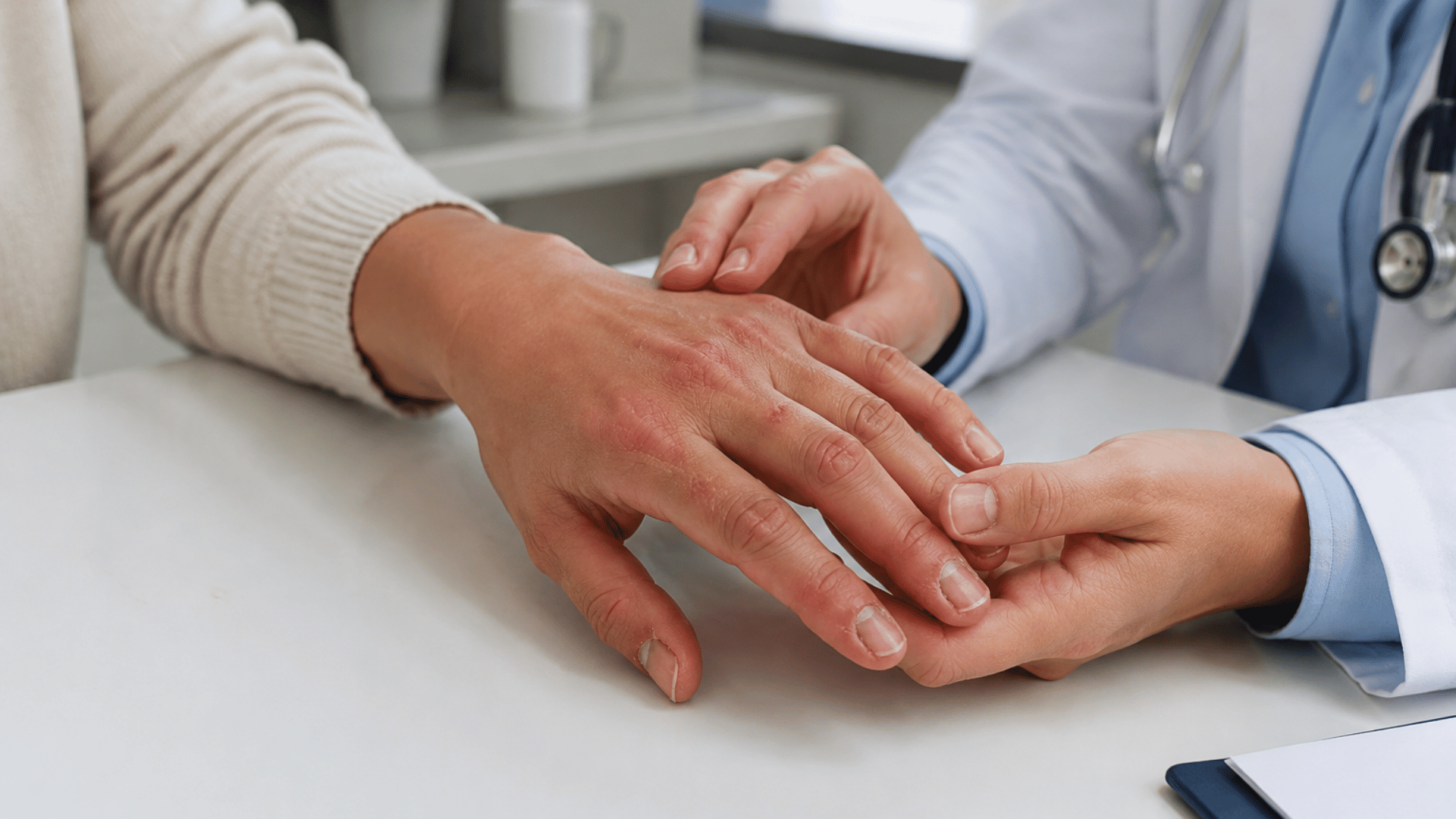
While mild symptoms may improve after removing the gel polish, persistent or recurring reactions may require professional evaluation to prevent further complications and discomfort.
- Persistent itching, redness, or irritation that does not improve after removing the gel polish.
- Severe swelling, blistering, peeling, or cracked skin around the nails.
- Nail changes such as lifting, brittleness, or discoloration.
- Symptoms that repeatedly occur after using gel nail products.
- Rashes that spread beyond the hands to areas such as the face or neck.
Can You Wear Gel Polish Again After Developing an Allergy?
It depends on the specific ingredient causing the allergy and the severity of your reaction.
Once an allergy develops, repeated exposure to the same allergen can trigger similar or even more severe symptoms in the future.
Identifying the exact trigger through patch testing is important before using gel polish again. Some individuals may be able to switch to HEMA-free products or formulations that do not contain the allergen responsible for their reaction.
However, these alternatives are not suitable for everyone. If symptoms persist or multiple ingredients are involved, safer options such as traditional nail polish or nail wraps may be a better choice.
How to Prevent a Gel Polish Allergy
Preventing a gel polish allergy largely depends on minimizing exposure to allergenic ingredients and following proper application practices. The table below highlights some practical steps that may help reduce the risk.
| Prevention Tip | Why it Helps | How to do it |
| Choose Professional Application | Reduces exposure to uncured products. | Visit a trained nail technician. |
| Keep Gel Polish off the Skin | Limits contact with allergens. | Avoid touching cuticles and skin. |
| Use High-Quality Products and Lamps | Supports proper curing. | Use reputable brands and compatible lamps. |
| Limit Frequent Exposure | Reduces the risk of sensitization. | Take breaks between gel manicures. |
Consistently following these practices can help lower the risk of developing a gel polish allergy.
Final Thoughts
Gel polish allergies can develop unexpectedly, even after years of problem-free use, often due to repeated exposure to allergenic ingredients.
Recognizing early symptoms such as itching, redness, swelling, or skin irritation is important for preventing the reaction from worsening.
If symptoms persist or recur, consulting a dermatologist can help identify the specific trigger and guide appropriate treatment.
By following safer nail care practices, choosing quality products, and minimizing unnecessary exposure to allergens, you can better protect your nails and skin while reducing the risk of future allergic reactions.
Frequently Asked Questions
Can a Gel Polish Allergy Spread to Other Parts of the Body?
Yes, in some cases, allergens can be transferred through touch, causing rashes or irritation on areas such as the face, neck, or eyelids.
Are Some People more Likely to Develop a Gel Polish Allergy?
People with sensitive skin, a history of allergies, or frequent exposure to gel nail products may have a higher risk of developing a reaction.
Can UV or LED Lamps Cause a Gel Polish Allergy?
The allergy is usually caused by chemicals in the gel polish rather than the lamp itself. However, improper curing can leave allergenic ingredients on the nails and skin.
Do HEMA-Free Gel Polishes Completely Eliminate the Risk of Allergies?
No. While HEMA-free products remove one common allergen, they may still contain other acrylates or ingredients that can trigger allergic reactions in sensitive individuals.