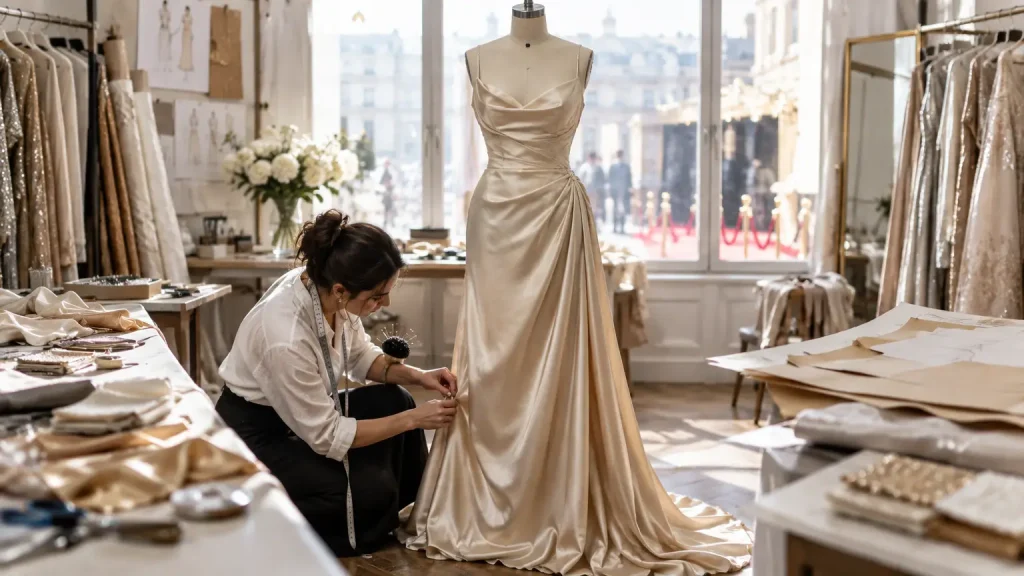
When a gown stops traffic on the red carpet, the photo captions credit one name, maybe two. Behind that moment stands a small army. There’s the designer who sketched it, the tailor who fitted it, and the stylist who chose it. There’s the publicist who secured the placement, the brand manager who decided it suited the house’s image, and the agent who negotiated the appearance.
Few of them stumbled into those roles. Most studied for them. For students drawn to fashion, luxury, and entertainment, the first step is learning who does what. The next is finding a path their family can afford.
The Look: Designers, Stylists, and Makers
Fashion designers usually start with a degree in fashion design. These programs teach sketching, draping, pattern-making, and garment construction, and they center on a portfolio that becomes a graduate’s calling card. Costume designers for film, television, and theater often come through theater or costume design programs, where historical research matters as much as sewing skill.
Stylists take a less predictable route. Some study fashion styling or merchandising, others communications or art history. Nearly all of them learn the job the same way: as assistants, pulling garments, steaming hemlines, and building relationships with showrooms. A degree opens the door, but years of assisting build the career.
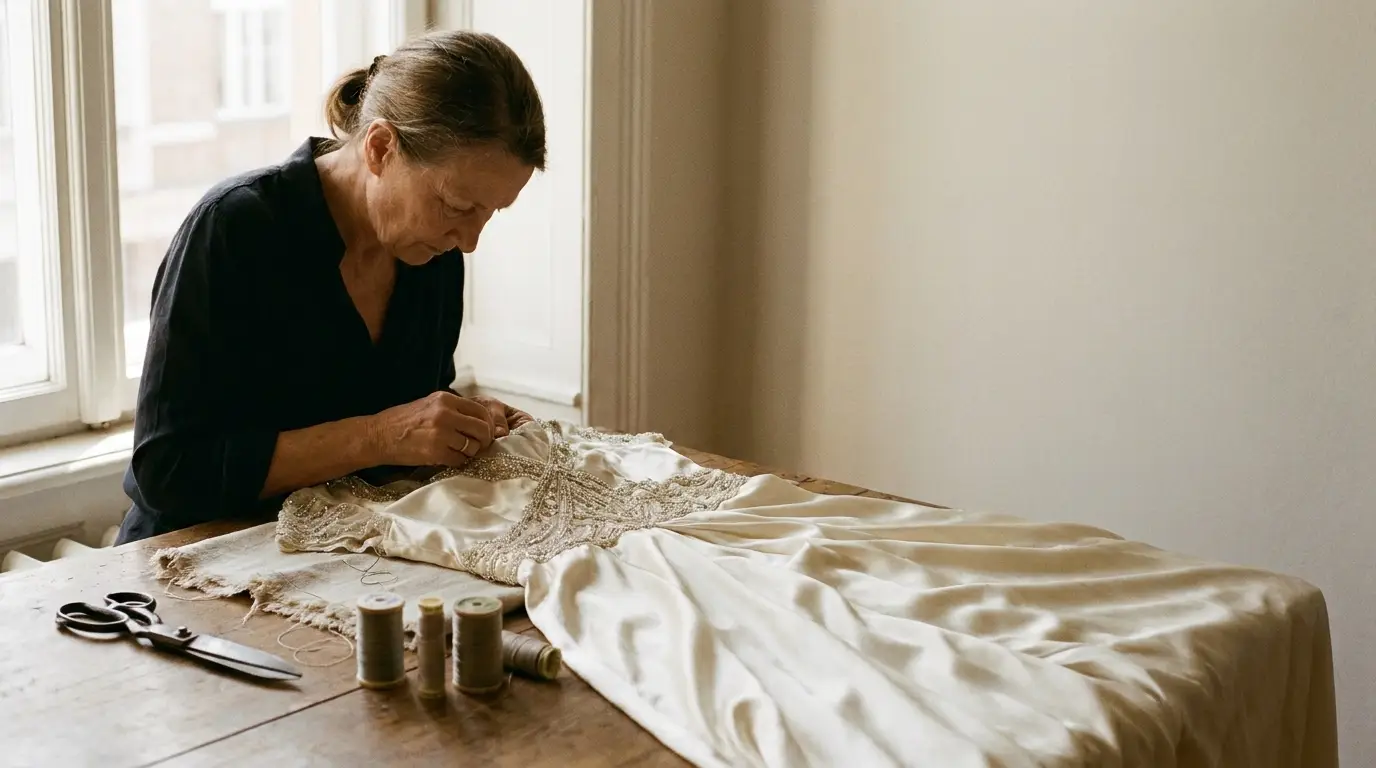
Then there are the makers: tailors, jewelers, milliners, and leather artisans. Many train through certificate programs and apprenticeships rather than four-year degrees. In luxury, where handwork commands a premium, those skills can be some of the most secure in the industry.
The Image: PR, Marketing, and Media
A red carpet moment rarely happens by accident. Fashion publicists pitch looks to stylists, brand marketers plan campaigns months in advance, and social media teams decide what the world sees first. Degrees in public relations, communications, marketing, and journalism prepare students for these roles. Photography and digital media programs feed the content side of the industry.
What ties these jobs together is storytelling. Luxury brands sell heritage, craftsmanship, and a sense of belonging as much as they sell products. Students who can write well, understand an audience, and build a narrative around a product are valuable in every corner of this world.
The House: Luxury Brand Management and Retail
Behind the mystique, luxury is a business, and a demanding one. Brand managers protect a house’s image while growing sales. Buyers and merchandisers decide which pieces reach which stores. Client advisors at flagship boutiques build long-term relationships with a brand’s most important customers.
Students headed this way often study fashion merchandising, business administration, or marketing. A growing number of universities and business schools now offer programs focused specifically on luxury brand management. Because most major houses operate globally, a second language and time spent studying abroad can set an applicant apart.
The Deal: Talent, Law, and Finance
The celebrity side of the industry runs on deals. Agents, managers, and publicists negotiate appearances, endorsements, and brand partnerships, and many of them come from entertainment business, communications, or general business programs. Fashion law has become its own specialty for law school graduates, covering trademarks, licensing, and the fight against counterfeits.
Further from the spotlight, luxury groups need financial analysts, supply chain managers, and sustainability specialists who can trace where materials come from. These roles rarely make headlines, but they suit students who love the industry and are drawn to numbers rather than fabric.
What These Paths Cost
Glamour can carry a premium. Many specialized art and design schools are private, and design students pay for materials, equipment, and software on top of tuition. The industries themselves cluster in expensive cities like New York, Los Angeles, London, and Paris. That’s where many internships are, and those internships are often modestly paid. Families should budget for those early career-building experiences, not just the degree.
The good news is that a specialty school isn’t the only way in. A business or communications degree from a public university, paired with fashion internships and a strong portfolio, can lead to many of the same roles. Design schools often award merit scholarships based on portfolios. Industry organizations and foundations also fund awards for students in fashion and related fields.
Funding the Path as a Family
The most sustainable approach starts with what doesn’t need to be repaid. That means savings, scholarships, and any grants the FAFSA unlocks. Federal student loans in the student’s name usually come next. For costs that remain, parent loans for college are one option families consider, alongside school payment plans and outside scholarships. Comparing interest rates, fees, and repayment terms across lenders helps them choose an option that fits their budget.
Getting a Head Start
Students don’t have to wait for college to begin. In high school, they can build a portfolio, learn to sew, or work a part-time job at a boutique. They can also run a style account that shows their eye or attend a summer pre-college program at a design school. Each of these helps a student test their interest before the tuition bills arrive, and each gives an application something to stand out with.
The Moment and the Career
A red carpet moment lasts seconds. The careers behind it can last decades. For students who love fashion, luxury, or entertainment, there’s a place in that world for designers and dealmakers, writers and analysts alike. With the right degree, a few well-chosen internships, and a funding plan the whole family understands, the glamour stops being something to watch and becomes something to build.